
A Guide to Hermes Leathers and Materials
Reviewed by Miss Jay-Ann
Hermes leathers should be chosen by the life the bag will live, not by a single hierarchy of “best.” Surface character, structure, handling, and tolerance for visible change all matter more than a generic ranking.


Quick answer
Hermes leathers should be chosen by the life the bag will live, not by a single hierarchy of “best.” Surface character, structure, handling, and tolerance for visible change all matter more than a generic ranking. The decision should be made from the exact item and your real routine, not from a generic ranking or a single marketing phrase.
A practical way to compare leather families
For this article, the original element is current Purse Maison inventory. The selected references include Birkin 25 Retourne in Toundra Togo Leather Palladium Hardware Stamp B(2023), Hermes Mini Lindy in Buiscuit Clemence Leather Gold Hardware Stamp U(2022), Hermes Kelly 32 in Vert Anis Cheve Mysore Leather Palladium Hardware Stamp J Square(2006). Those references are illustrations of how to inspect and discuss an item, not a promise that one exact bag will remain available. Availability, condition, and included items can change, so confirm the live listing before deciding.
Next, translate the decision into your own routine. Think about the number of items you carry, whether you need quick access, how often the bag will be set down, whether you commute through rain, and how much maintenance you will actually do. A beautiful choice that fights your routine becomes expensive friction, even if the object itself is desirable.
- Record the visible evidence and the question it answers.
- Separate a confirmed detail from an interpretation or preference.
- Decide what would make you pause before paying.
Matching surface character to use
A useful first step is to separate facts from interpretation. A title, public product route, visible photographs, and written condition notes are evidence. Words such as “excellent,” “rare,” “investment,” or “like new” are conclusions that still need a definition. Ask what the phrase means on this exact piece and which visible detail supports it.
Look at contact points first: corners, handles, strap attachments, opening edges, hardware, base, and any area that touches clothing or a table. These are not automatic defects. They are the places where use becomes legible. The question is whether the pattern is consistent with the description and acceptable for the way you plan to carry the bag.
- Record the visible evidence and the question it answers.
- Separate a confirmed detail from an interpretation or preference.
- Decide what would make you pause before paying.
Care and climate decisions in the Philippines
Next, translate the decision into your own routine. Think about the number of items you carry, whether you need quick access, how often the bag will be set down, whether you commute through rain, and how much maintenance you will actually do. A beautiful choice that fights your routine becomes expensive friction, even if the object itself is desirable.
Photographs should answer specific questions rather than merely create atmosphere. Ask for clear views of the front, back, base, corners, interior, hardware, closure, date or production marking where relevant, and any disclosed repair or alteration. If an important area is not shown, record it as unknown instead of silently assuming it is clean.
- Record the visible evidence and the question it answers.
- Separate a confirmed detail from an interpretation or preference.
- Decide what would make you pause before paying.
How to make the decision
Hermes leathers should be chosen by the life the bag will live, not by a single hierarchy of “best.” Surface character, structure, handling, and tolerance for visible change all matter more than a generic ranking.
A useful first step is to separate facts from interpretation. A title, public product route, visible photographs, and written condition notes are evidence. Words such as “excellent,” “rare,” “investment,” or “like new” are conclusions that still need a definition. Ask what the phrase means on this exact piece and which visible detail supports it.
- Write down the job the bag must do.
- Mark every confirmed fact and every unresolved question.
- Inspect the high-contact areas and compare them with the written description.
- Set a care and storage plan suitable for Philippine humidity.
- Choose only when the item and process are clear enough to explain to another person.
Evidence before action
Before you compare two descriptions or decide that a condition phrase is acceptable, write down the evidence you can actually see. A product route confirms where the item is presented; it does not by itself confirm every detail a buyer may want to know. Photographs, captions, written disclosures, and answers to your questions should agree. Where they do not, keep the point open until someone resolves it.
A transaction also has a process dimension. Confirm how the item can be viewed, what is included, how payment and handover work, and what happens if a material or condition question remains unanswered. The goal is not suspicion for its own sake. It is a clean trail from the object you saw to the object you receive, with expectations that both sides can explain.
For a buyer building a collection, fit is wider than size. Consider whether the bag duplicates something you already use, whether its care demands fit your schedule, and whether you would still want it without a dramatic resale story. A calm decision is usually more durable than a decision made because a phrase sounds exclusive or because another person appears to be moving faster.
After purchase, keep the listing record, photographs, receipts or order evidence, and any care guidance together. Store the item in a breathable setting, monitor humidity, and inspect it periodically rather than waiting for a problem to become obvious. Good ownership is a sequence of small, documented choices, not one perfect purchase moment.
Decision checkpoint
Use a pause point before committing. Ask whether the exact item is identifiable, whether the condition language matches the photographs, whether the care plan is realistic in your home, and whether the price still makes sense without an unverified future outcome. If one answer is no, keep researching rather than turning uncertainty into confidence.
This approach also protects the value of the ownership experience. A bag should be enjoyable to carry, easy enough to store responsibly, and supported by records that make its story clear. The more distinctive the material or configuration, the more useful it is to keep the description precise and the unknowns visible. Precision is not a lack of enthusiasm; it is part of responsible luxury buying.
Related Journal reading
Read the related Journal guide. Read the related Journal guide. Read the related Journal guide.
Browse current available inventory for the live collection; verify the exact listing before acting.
Current Purse Maison references
Use the live product links and photographs as a starting point for questions. Inventory changes; verify availability, exact condition, and purchase terms on the live listing before acting.
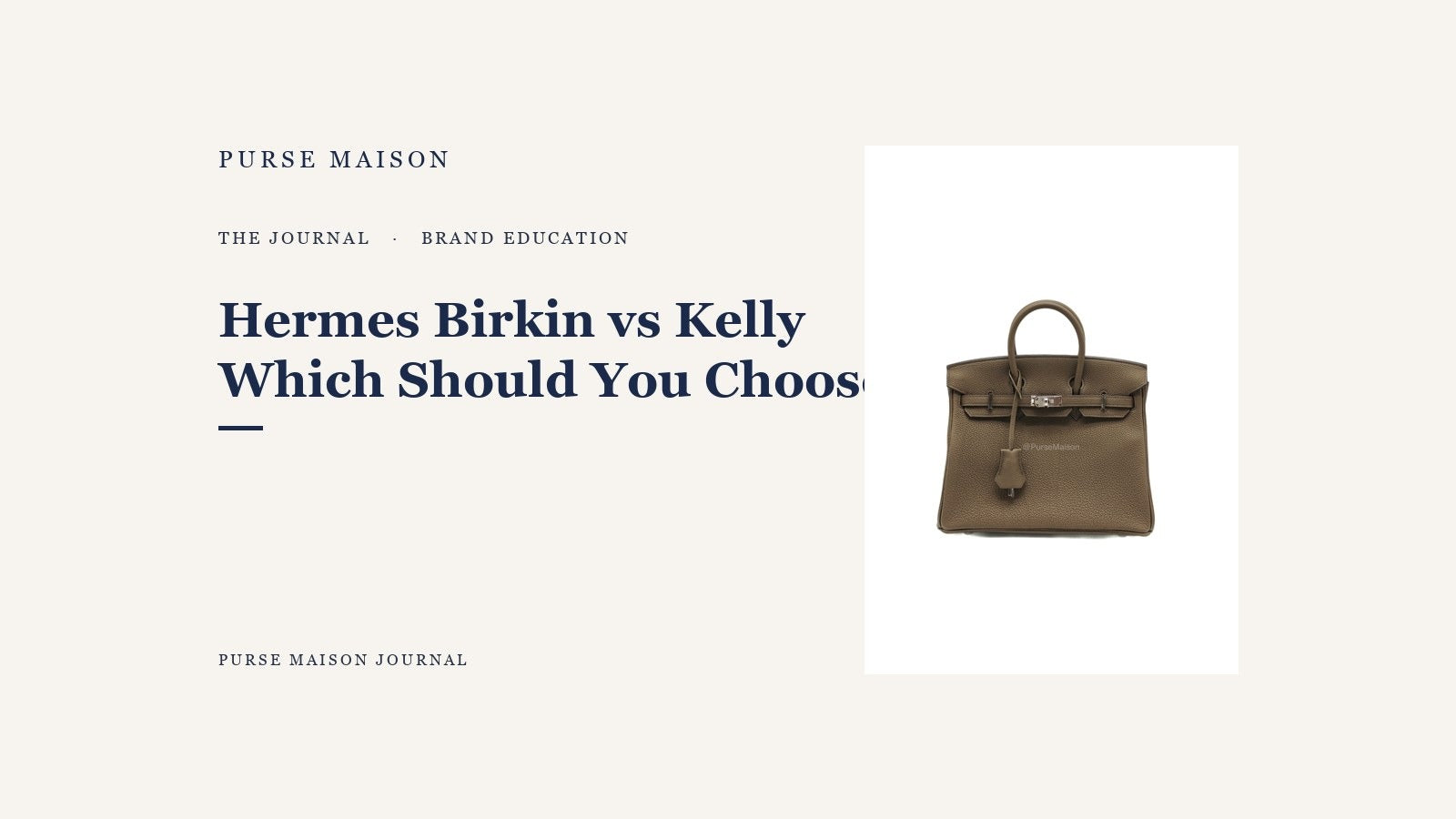
Birkin 25 Retourne in Toundra Togo Leather Palladium Hardware Stamp B(2023)
Hermes Mini Lindy in Buiscuit Clemence Leather Gold Hardware Stamp U(2022)
Hermes Kelly 32 in Vert Anis Cheve Mysore Leather Palladium Hardware Stamp J Square(2006)
FAQ
Is the answer universal for every buyer?
No. The useful answer depends on how you carry a bag, what you need to fit, your tolerance for visible wear, and how much care you can realistically provide. Use the framework here to ask better questions about the exact item in front of you.
What should I verify before I pay?
Verify the exact title, handle or model description, condition photographs, included items, seller or showroom process, price terms, and the route for questions after purchase. Keep the written description and your questions together so the decision is auditable.
Does Philippine weather change the decision?
Yes. Heat, humidity, sudden rain, air-conditioning transitions, and crowded commutes all affect how a bag is used and stored. Climate is not a reason to avoid a material automatically, but it is a reason to plan conservative storage and realistic handling.
Should I choose the more expensive option?
Not automatically. Price can reflect condition, completeness, material, configuration, provenance, or current demand, but a higher price does not remove the need to check identity and fit. Buy the option that solves your use case without forcing a story you cannot verify.
When should I ask for specialist help?
Ask for help when the material, construction, condition, provenance, or requested repair is outside your experience. A careful specialist should explain what is known, what is uncertain, and what an intervention can realistically change.
Disclaimer
This is an educational buying and ownership guide, not an authentication guarantee, appraisal, repair instruction, investment promise, or substitute for inspection of a specific item. Product availability, condition, and terms change. Confirm the live listing and ask for clarification where the evidence is incomplete.
Sources: Purse Maison live product pages and publicly available brand-care materials reviewed for general context. Specific claims that are not visible in the selected listing or an authoritative source are intentionally qualified.

Leave a comment
This site is protected by hCaptcha and the hCaptcha Privacy Policy and Terms of Service apply.