
Chanel Caviar vs Lambskin: Beauty, Wear, and Care
Reviewed by Miss Jay-Ann
Chanel Caviar and Chanel Lambskin can create very different ownership experiences, but a neat “durable versus delicate” slogan is not enough to choose between them. The exact finish, construction, colour, age, use, and existing condition all matter. For a collector in the Philippines, the more useful question is practical: which surface suits the way you carry, store, and maintain a bag?

Quick answer: choose the surface that matches your habits
Chanel Caviar is often the more reassuring direction for a collector who wants a textured surface and a bag that can handle ordinary contact with less visual drama. Chanel Lambskin may appeal when the hand-feel, softness, and quiet sheen are central to the experience. Neither choice makes care optional, and neither guarantees a particular result.
Think of this as a preference and maintenance decision, not a universal ranking. A well-kept lambskin bag can be a joy to own, while a textured caviar surface still needs protection from abrasion, moisture, and careless storage.
Beauty is tactile, not only visual
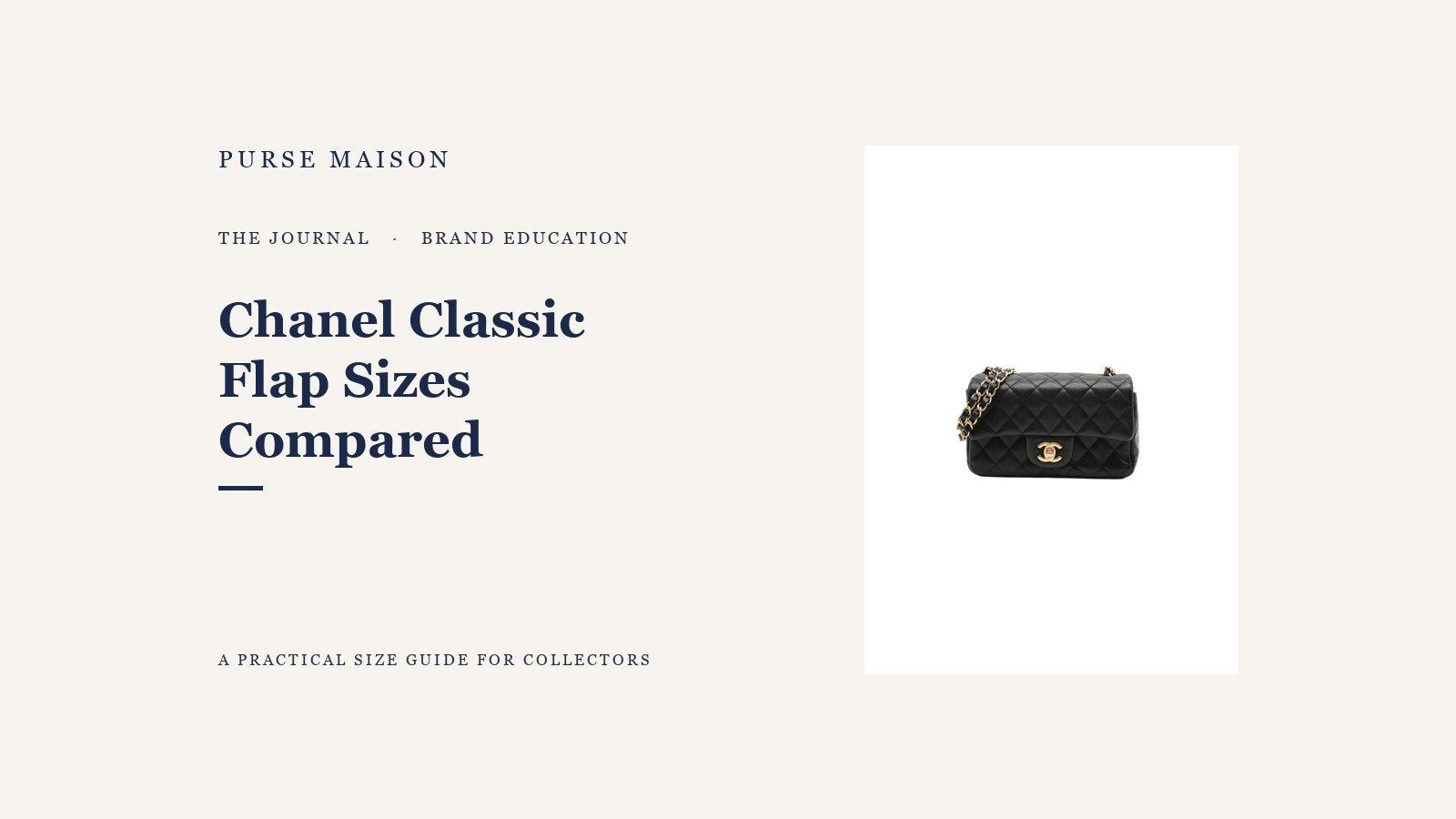
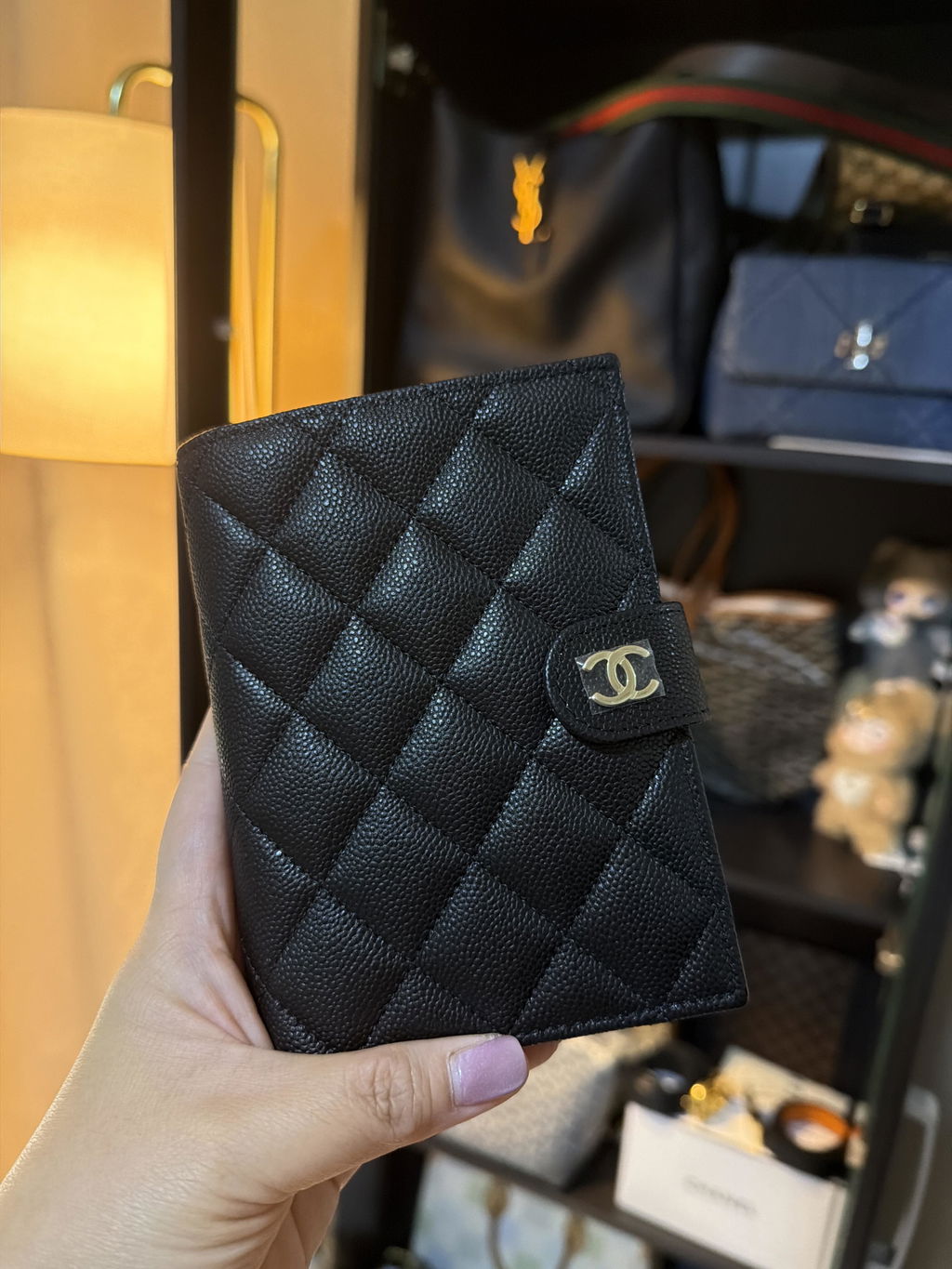
Caviar’s grain gives the surface a pronounced visual rhythm. It can read as structured and composed, especially in a classic black listing. Lambskin presents a smoother, softer visual field, and the hand can feel more immediately supple. Lighting changes how both read, so inspect listing photographs in context and ask for current images if the surface is central to your decision.

Do not treat a listing adjective as a laboratory definition. “Caviar” and “lambskin” identify the listed material, but finish and wear can vary. The meaningful evidence is the actual item: its corners, quilting, glazing, hardware, interior, and any areas that receive repeated contact.
Wear: where daily habits show up
On any Chanel bag, repeated friction can show at corners, under flaps, on straps, and around closures. A textured surface may make small changes less immediately visible, while a smoother surface can reveal handling marks through shifts in sheen. That is an observation about viewing, not a promise that one material cannot scratch or scuff.
Think about the commute. Will the bag share a seat with keys? Will it be placed on a restaurant chair, carried through sudden rain, or moved between a warm car and an air-conditioned room? A bag selected for those conditions should have a realistic use plan and a storage plan. If the plan depends on perfect handling, it is probably the wrong plan.
Care in Philippine humidity
Humidity changes the storage conversation. Keep a bag away from direct heat and avoid sealing a piece while it is damp. Allow appropriate airflow, support the shape without overpacking, and inspect periodically. Do not improvise with household cleaners, alcohol, oils, or aggressive rubbing. For a stain, transfer of colour, sticky finish, or odour, ask a qualified leather professional before experimenting.
For lambskin, the sensible rule is fewer unnecessary touches. For caviar, the sensible rule is not “ignore it.” Both benefit from clean hands, careful placement, and separation from abrasive objects. A soft cloth may remove loose dust, but cleaning advice must follow the actual material and problem.

How to compare two listings responsibly
Compare like with like where possible: model, size, colour, hardware, condition, included items, and the clarity of the photographs. Do not compare a pristine lambskin piece with a heavily used caviar piece and then assign the difference to material alone. Record what is visible and ask about what is not.
On a second-hand Chanel listing, the condition description is part of the decision. Look for close-ups rather than relying on a broad grade. A buyer should understand that images have limits and that a specialist conversation is appropriate when the purchase is significant or the evidence is incomplete.
Who may prefer Chanel Caviar?
Choose caviar when you prefer visible texture, a more structured visual impression, and a care routine that fits frequent use. Still plan for careful storage and realistic protection from rain and friction. It is a fit for habits, not an excuse to treat the piece as indestructible.
Who may prefer Chanel Lambskin?
Choose lambskin when tactile softness and a smoother look are central to the pleasure of ownership, and when you are comfortable with a more attentive handling routine. It may suit a rotation where the owner enjoys inspection and deliberate use. If daily conditions are chaotic, be honest about whether the care burden will frustrate you.
The Purse Maison Verdict
There is no universal winner. Chanel Caviar is a sensible direction for many frequent-use collectors, while Chanel Lambskin can reward a collector who values touch and is willing to handle it thoughtfully. Judge the exact listing, not the material label alone. In Manila’s humid climate, good storage and prompt professional advice matter more than a simplistic durability claim.
Explore Chanel pieces, then continue with what happens after you buy from Purse Maison or this material-care guide.
Questions collectors ask
Should I decide from one photograph?
No. A photograph can orient a conversation, but it cannot replace a complete listing, condition review, provenance discussion, and appropriate specialist assessment.
Does a receipt settle the question?
No. Paperwork can support a file, yet it should be checked alongside the item and transaction context.
How should I store a bag in the Philippines?
Keep it clean, supported, and away from direct heat and damp enclosed spaces. Allow storage materials and the bag to breathe, and inspect periodically.
When should I ask for help?
Ask before payment when the decision is high value, the evidence conflicts, or the condition and description do not align.
Can a luxury bag be an investment?
It may have resale interest, but no luxury purchase is a guaranteed financial investment. Condition, demand, timing, and transaction costs matter.
Let the exact finish lead the care plan
Material names are a starting point, not a complete care manual. Inspect whether the surface is textured or smooth, firm or supple, glossy or muted, and how the specific piece has responded to previous use. A vintage or well-loved bag may behave differently from a newer example in the same broad material category. Look closely at corners, flap edges, quilting, handle contact points, and areas where the bag meets clothing.
For caviar, the grain can make ordinary marks less visually prominent, but dirt and abrasion can still collect in texture. For lambskin, the smooth surface can make contact marks easier to notice, while its softness may be central to the appeal. These are qualified ownership observations, not guarantees. Colour, finish, construction, storage, and handling can change the experience in either direction.
Humidity calls for restraint with both. Keep the bag away from rain and damp floors, let it dry naturally if exposed to moisture, and store it in a clean breathable dust bag in a stable interior space. Avoid improvised cleaners, alcohol wipes, oils, and untested conditioners. If a mark is significant or the material is unfamiliar, ask a qualified leather-care professional before acting.
Choose the compromise you can maintain
The most useful choice is the surface whose compromises fit your habits. If you want a textured appearance and prefer not to worry about every light touch, caviar may feel more comfortable. If you value a softer hand and a quiet sheen enough to accept more attentive handling, lambskin may be the better emotional fit. Neither choice removes the need to inspect condition or to respect storage.
Before buying, ask how the exact bag will be used, where it will rest between wears, and whether you are comfortable with the condition shown. If the answer depends on a promise that the material will never mark, never soften, or never show wear, pause. Luxury ownership is more satisfying when the expected evolution of the piece is understood rather than denied.
Frequently Asked Questions
Is caviar always more durable than lambskin?
There is no universal guarantee. Texture may make some light contact less visually prominent, but finish, construction, age, colour, handling, and storage affect wear. Inspect the exact piece.
Is lambskin unsuitable for daily use?
No. Many owners enjoy it daily when they accept attentive handling and store it responsibly. The right choice depends on your tolerance for visible change and your actual routine.
Which material handles Philippine humidity better?
Neither is humidity-proof. Keep either surface dry, away from direct heat and damp storage, and follow care guidance for the exact finish. Avoid untested products.
Can I remove a mark with household cleaner?
Do not experiment on an important bag. Household cleaners and alcohol wipes can change colour or finish. Ask a qualified leather-care professional about the specific material and mark.
Should condition matter more than material?
Condition should be weighed alongside material, use, and price. A well-documented exact item in acceptable condition may suit you better than a preferred material with wear outside your tolerance.
Purse Maison is an independent luxury reseller and is not affiliated with or endorsed by Chanel unless expressly stated.
Sources: Chanel official care guidance and product information; Shopify product listings checked 21 July 2026; verified across multiple industry references.
If you are comparing the practical choices discussed here, our Journal also explores Saint Laurent Loulou sizes in more detail.





Leave a comment
This site is protected by hCaptcha and the hCaptcha Privacy Policy and Terms of Service apply.