
Chanel Tweed: Look, Feel, Durability, and Care
Reviewed by Miss Jay-Ann
Tweed asks you to look twice. From a distance, the surface reads as pattern and colour. In the hand, it is a system of yarns, crossings, edges, and supporting construction that responds differently from smooth leather. On a Chanel flap or a tweed accessory, the collector’s task is not to keep the textile frozen in a showroom state. It is to understand how it may wear, then give it the right conditions to age with dignity.
What a tweed surface is telling you
Tweed is a woven textile rather than a single uninterrupted skin. Its character comes from the relationship between warp and weft, the choice and twist of yarns, and the way the cloth is finished and mounted to the item. A close view can show variation in colour, a slightly irregular rhythm, or a soft halo at the surface. Those observations are not a material specification. Chanel has used many textile constructions and seasonal treatments, so a listing photograph or a touch test cannot establish an exact fibre composition.
The most useful first question is practical: is the surface lying flat, holding its shape, and remaining securely joined at seams, corners, flap edges, and handle attachments? Look for changes in the cloth itself and for changes in the structure beneath it. A pulled yarn, a fuzzy patch, a flattened nap, or a small snag can be more meaningful than a little variation in tone.

How wear can appear
Wear on tweed often announces itself gradually. High-contact areas may become flatter or softer. The top edge of a flap can show gentle compression from repeated opening. Corners can collect dust, while loose yarns may catch on jewellery, rough tabletops, or the edge of another bag. A small change in texture can be normal use. A spreading snag, an open seam, or a thread that has pulled the surrounding weave out of alignment deserves attention.
Colour is another area where context matters. Sunlight, indoor lighting, camera white balance, and surrounding clothing can alter how a multicoloured cloth appears. Compare like with like, and inspect the bag in neutral light before deciding that a panel has faded. If there is a difference between an exposed face and a protected area, record it rather than trying to correct it at home.
On a flap, inspect the relationship between textile and hardware. The turn-lock should not be used as a handle, and the chain should not be allowed to drag across the cloth. Repeated friction can polish or disturb fibres long before a tear becomes obvious. A bag can remain attractive while still benefiting from gentler handling.

A handling routine that stays within safe boundaries
- Wash and dry your hands before handling. Oils, sunscreen, and hand cream can transfer to light or textured cloth.
- Lift a flap by its intended structure, never by a chain or a loose textile edge. Support the body from underneath when moving it.
- Keep pens, cosmetics, velcro, rough knits, and jewellery away from the exterior. A snag is easier to prevent than to reverse.
- If a loose yarn appears, do not pull, trim, glue, or melt it. Isolate the area from further friction and photograph it in place.
- Use a clean, soft, dry surface for short rests. Avoid placing tweed directly on unfinished wood, abrasive stone, or a damp surface.
These are handling recommendations, not a Chanel care protocol. The safest boundary is to stop before a home treatment changes the textile. A brush, solvent, stain stick, steam treatment, or adhesive can alter colour, tension, finish, or the relationship between cloth and leather. Even a seemingly mild product may leave a ring or flatten a raised surface.
Humidity and storage in the Philippines
In a humid climate, storage is a condition-management exercise. The goal is steady airflow and a dry, stable environment, not a sealed microclimate. Keep the bag away from bathrooms, kitchens, exterior walls with signs of condensation, and direct sun. Do not store it pressed tightly between other pieces. Give the textile room so that air can circulate around the body and the weave is not continually crushed.
A breathable dust bag can help limit dust and contact scratches when the bag is not in use. Avoid wrapping the piece in plastic for long-term storage. If you use a desiccant product in the cabinet, keep it separate from the bag and follow its own safety directions. It should never touch the textile, and it is not a substitute for addressing a damp room.
Check the bag periodically without repeatedly manipulating the cloth. Look for a new musty odour, condensation, soft spots, dark specks, or a change in shape. If you suspect mould, isolate the bag from the rest of the collection and avoid brushing or vacuuming it indoors. A specialist can assess the material before cleaning spreads contamination or embeds marks. For a longer checklist, see how to prepare a bag for long-term storage.

When a specialist is the right next step
Seek a qualified bag or textile specialist when a stain is unknown, a dye has transferred, a seam has opened, a yarn is pulled, the lining has become damp, or the bag has a persistent odour. A specialist should first identify the problem and the materials at risk. Ask what they propose to do, what areas will be tested, and what outcome is realistic. “Cleaning” is not automatically safer than leaving a stable mark alone.
A professional assessment is also sensible before attempting to reshape a soft flap, repair a frayed edge, remove adhesive residue, or address an old alteration. Photograph the piece before handover and note any accessories that travel with it. Keep the original condition information; it helps a specialist distinguish fresh damage from earlier wear.
How to assess a tweed flap before buying
Ask for close images of the front, back, corners, flap edge, chain contact points, interior, and any stated defect. Confirm that the photographs show the actual piece. The question is not simply “Is tweed durable?” It is “How has this particular textile handled its life?” Review the weave for pulls, the seams for tension, and the hardware for rubbing patterns. Then decide whether the visible wear fits your intended use and the care you can provide.
For a broader comparison of how a textured leather behaves in daily ownership, read our Chanel caviar care guide. If your collection also includes softer quilted leather, our Saint Laurent lambskin guide offers a useful contrast in handling priorities.
Frequently asked questions
Can Chanel tweed be treated like leather?
No. Tweed is a textile surface and may react to moisture, friction, solvents, and brushing in ways that differ from leather. Treat the item as a mixed construction and follow material-specific professional advice.
Is a slightly fuzzy surface automatically damage?
Not necessarily. Textile texture can vary, and gentle surface softness may be part of the cloth. A new, localised halo, pulled yarn, or spreading change should be documented and assessed rather than guessed at.
Can I remove a stain at home?
The safest answer is not to apply an unverified cleaner. Blotting a fresh spill without rubbing may limit movement, but an unknown stain, colour transfer, or set mark should go to a specialist before experimentation.
What is the best way to store tweed during a wet season?
Use a clean breathable dust bag in a stable, ventilated room away from condensation and direct sun. Do not seal the bag in plastic or let desiccant touch it. Inspect periodically for odour, dampness, and changes in the weave.
When should I stop carrying the bag?
Pause use if a snag is catching, a seam is opening, the flap is losing support, or the bag has become damp or musty. Early assessment can prevent a small issue from becoming a structural or contamination problem.
The Purse Maison Verdict
Chanel tweed rewards close observation rather than aggressive maintenance. Learn the individual weave, carry it away from friction and moisture, store it with airflow, and treat every product or repair as a material decision. The best care boundary is a clear one: prevent what you can, document what changes, and bring uncertain damage to a specialist before a home remedy becomes the story.
Currently at Purse Maison
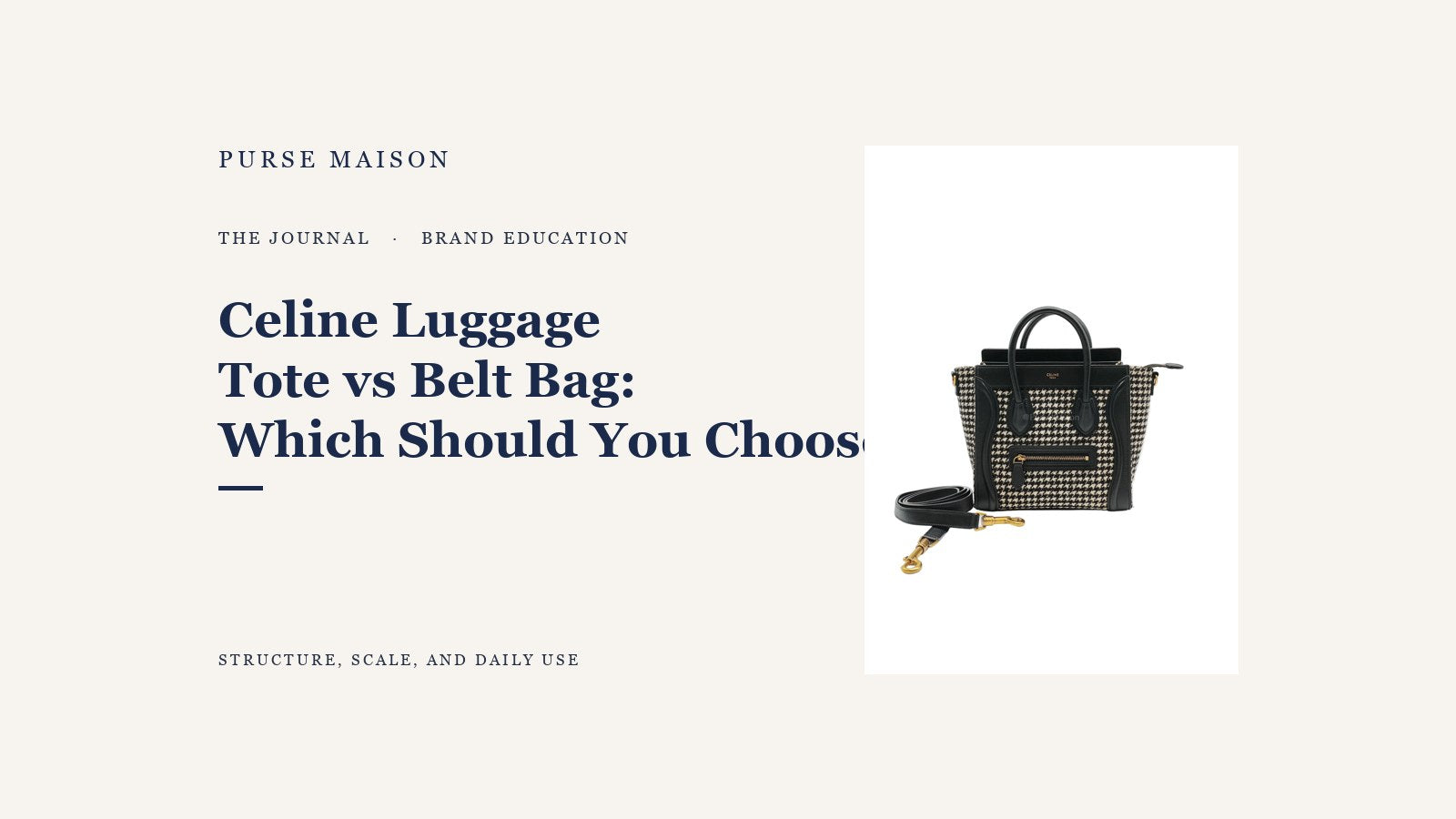
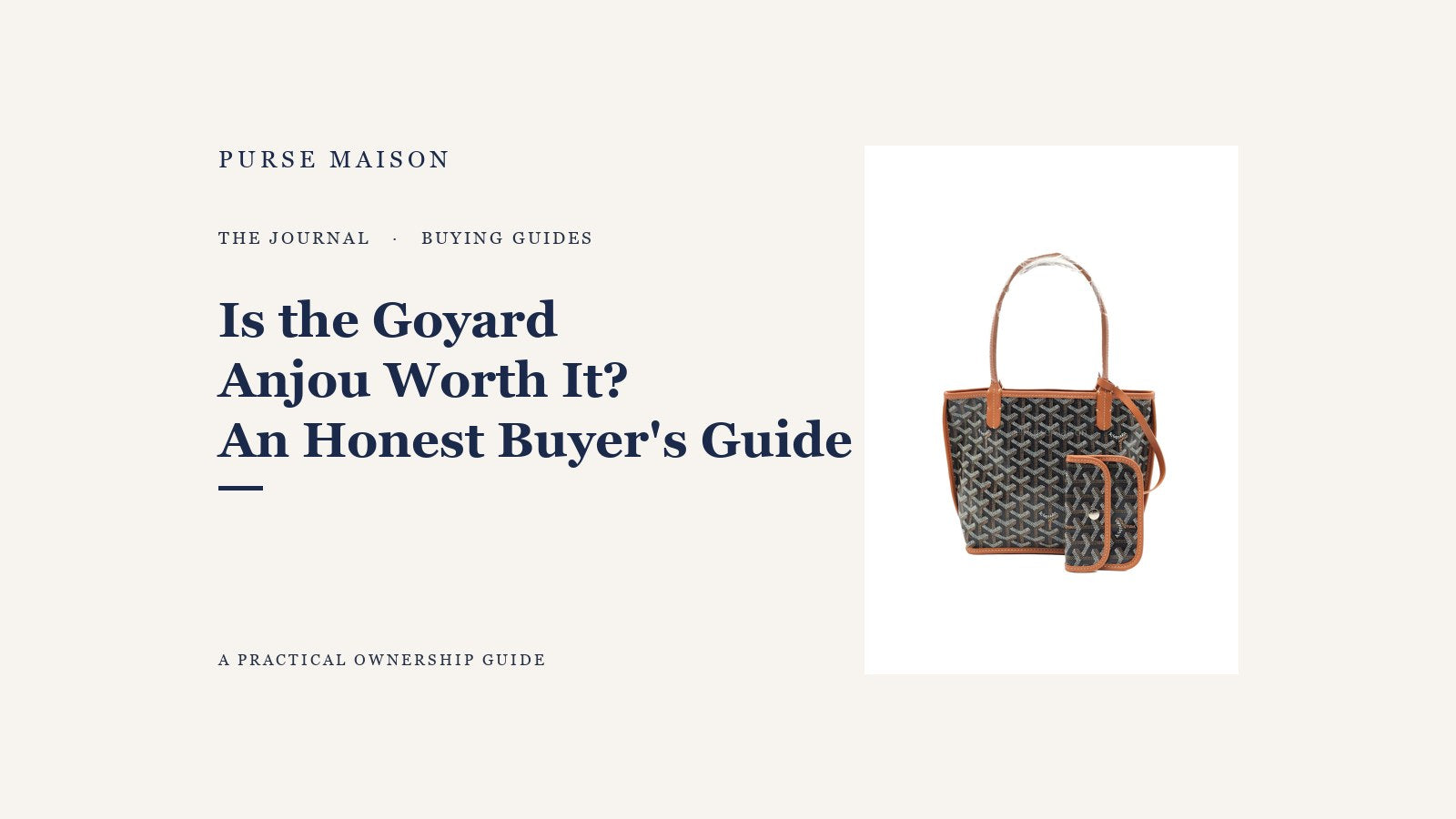
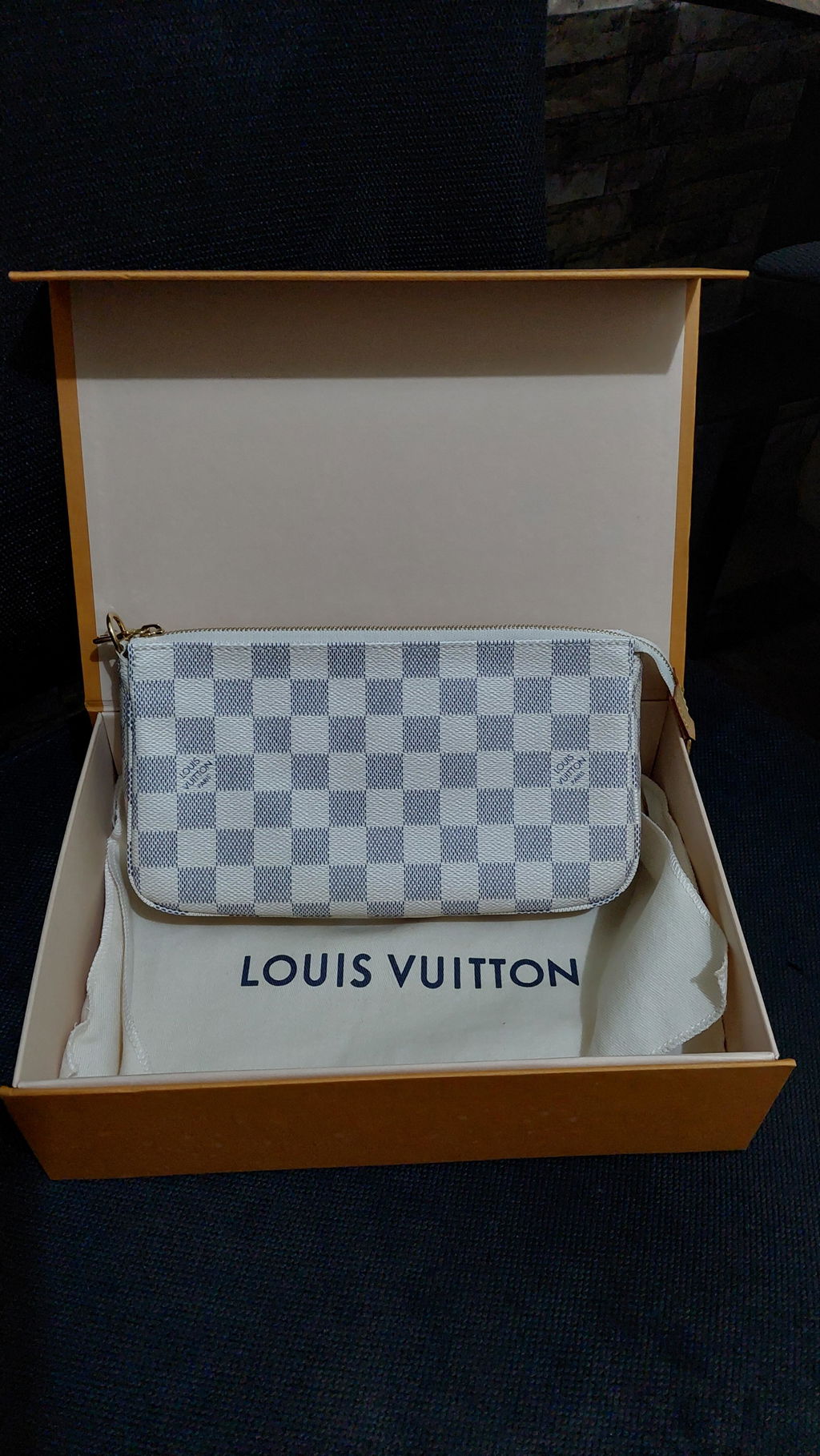
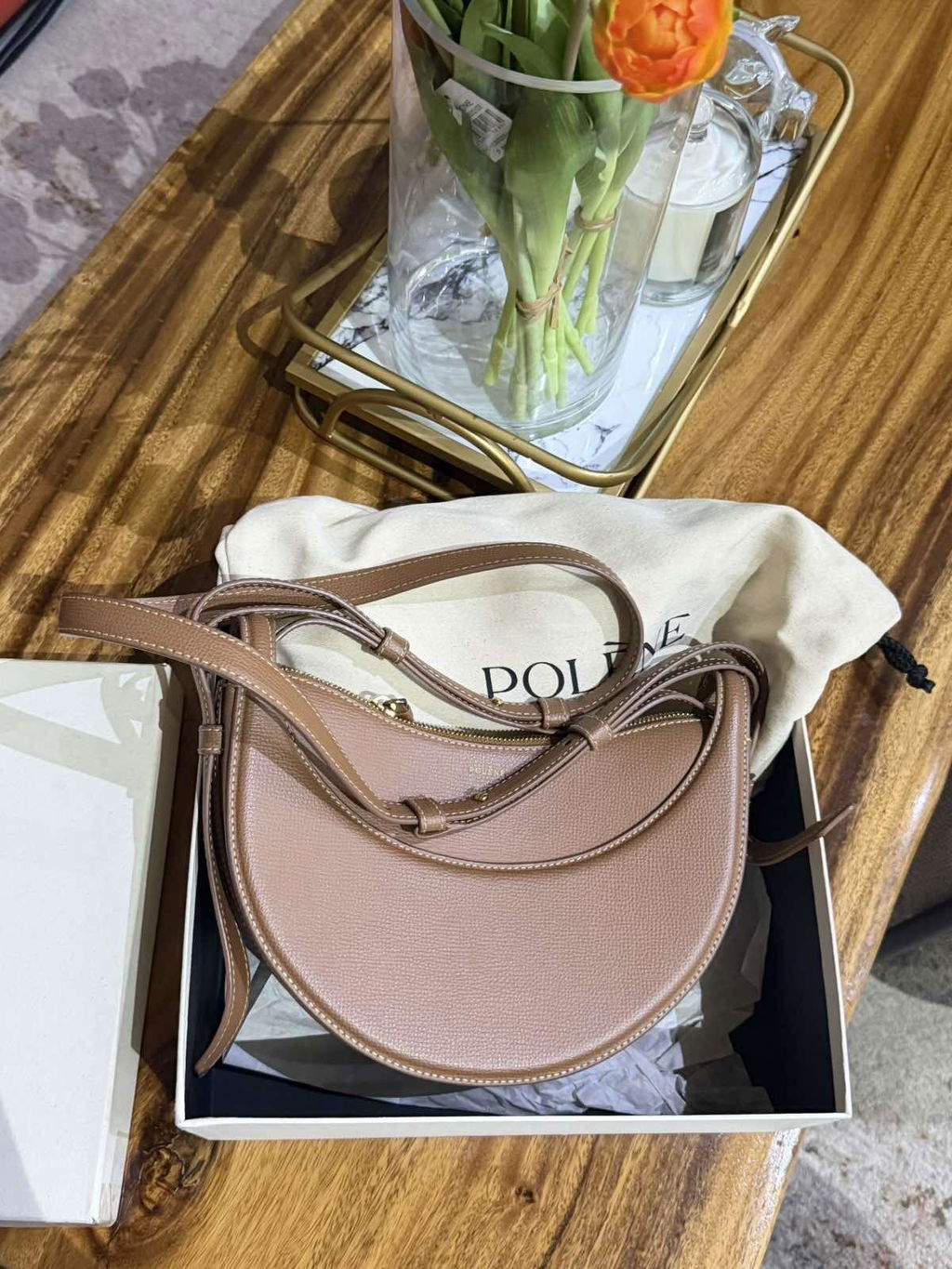
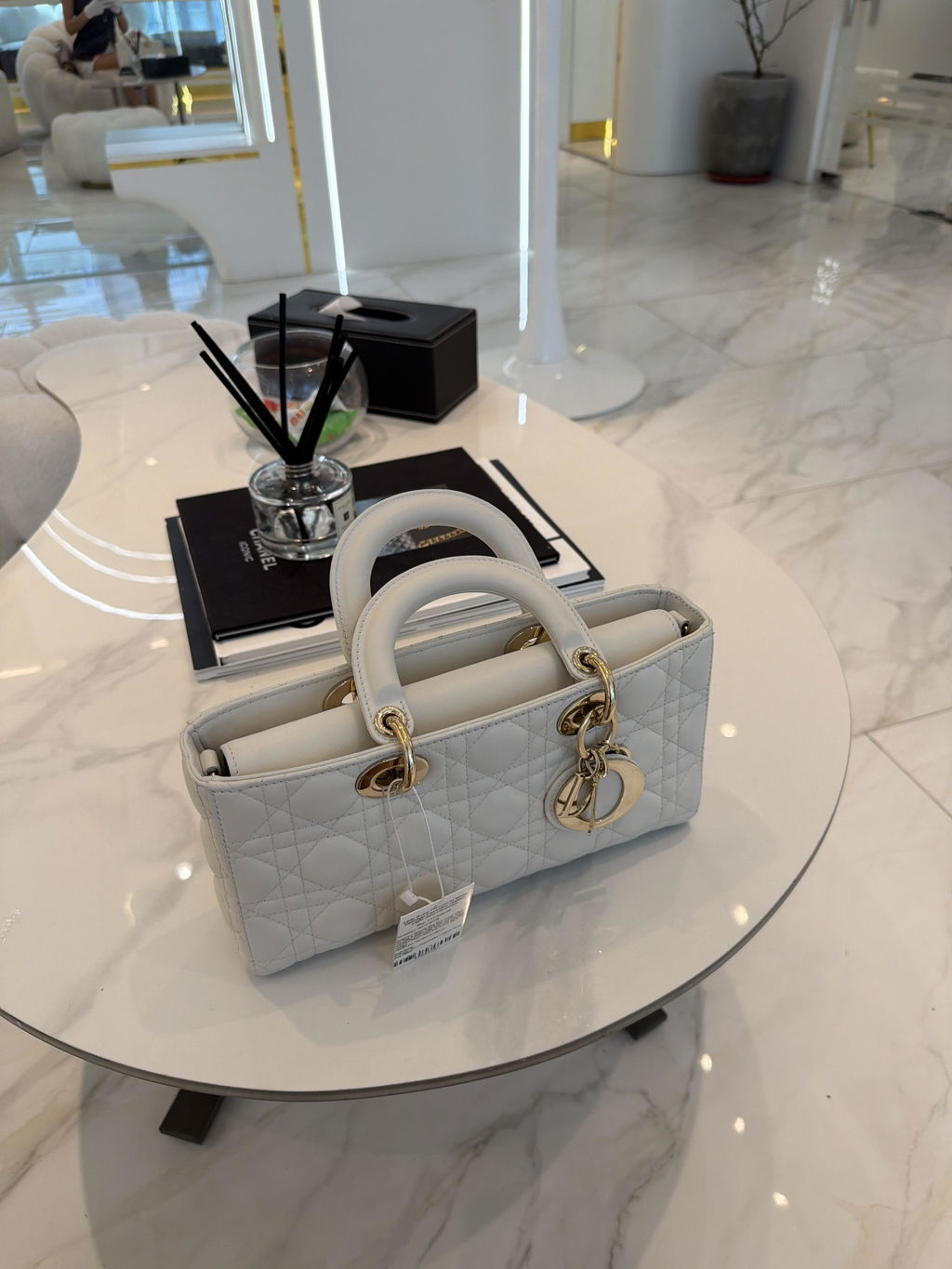
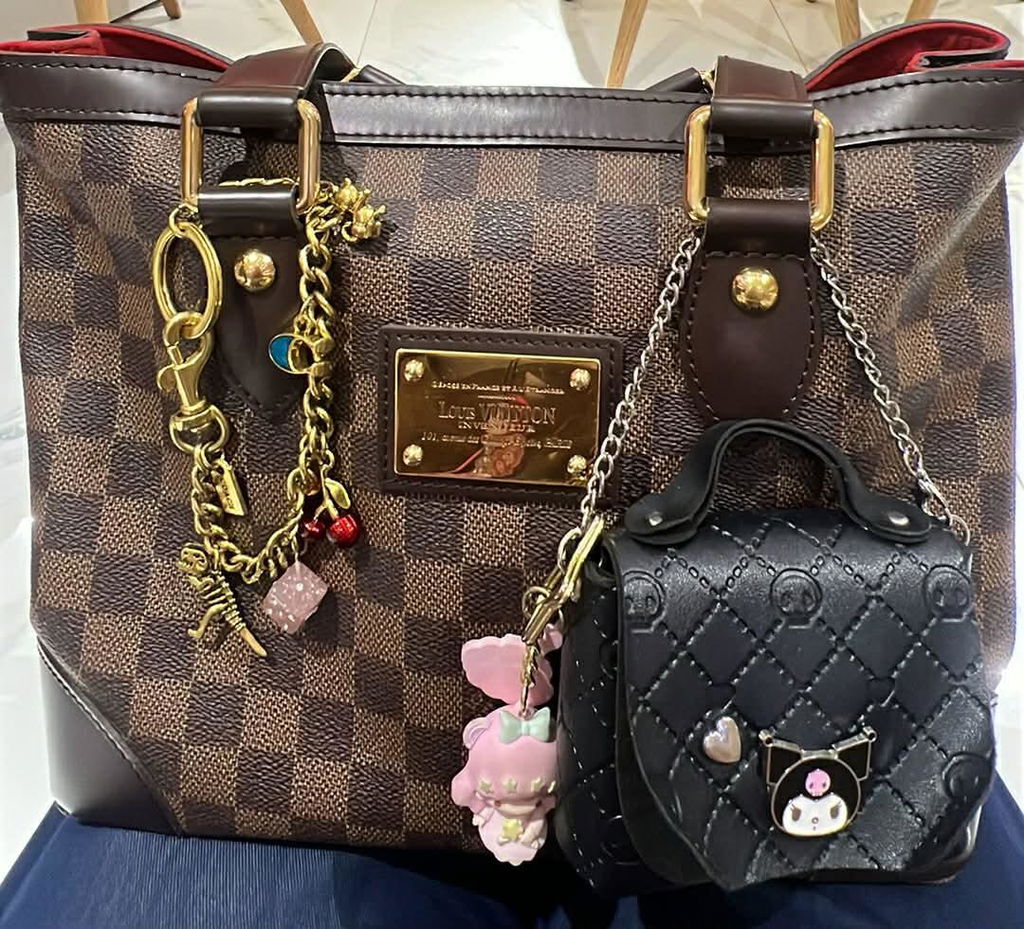
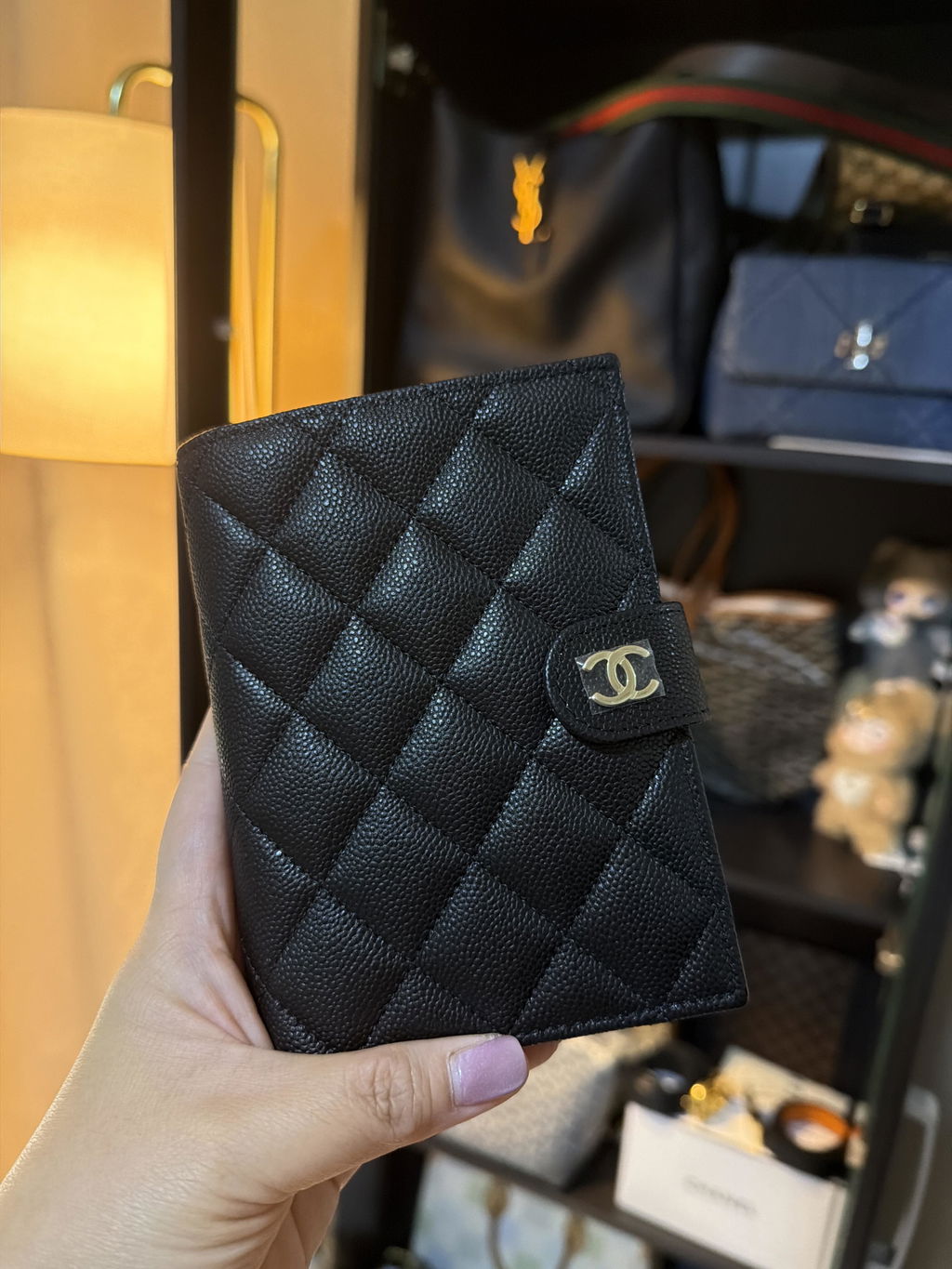
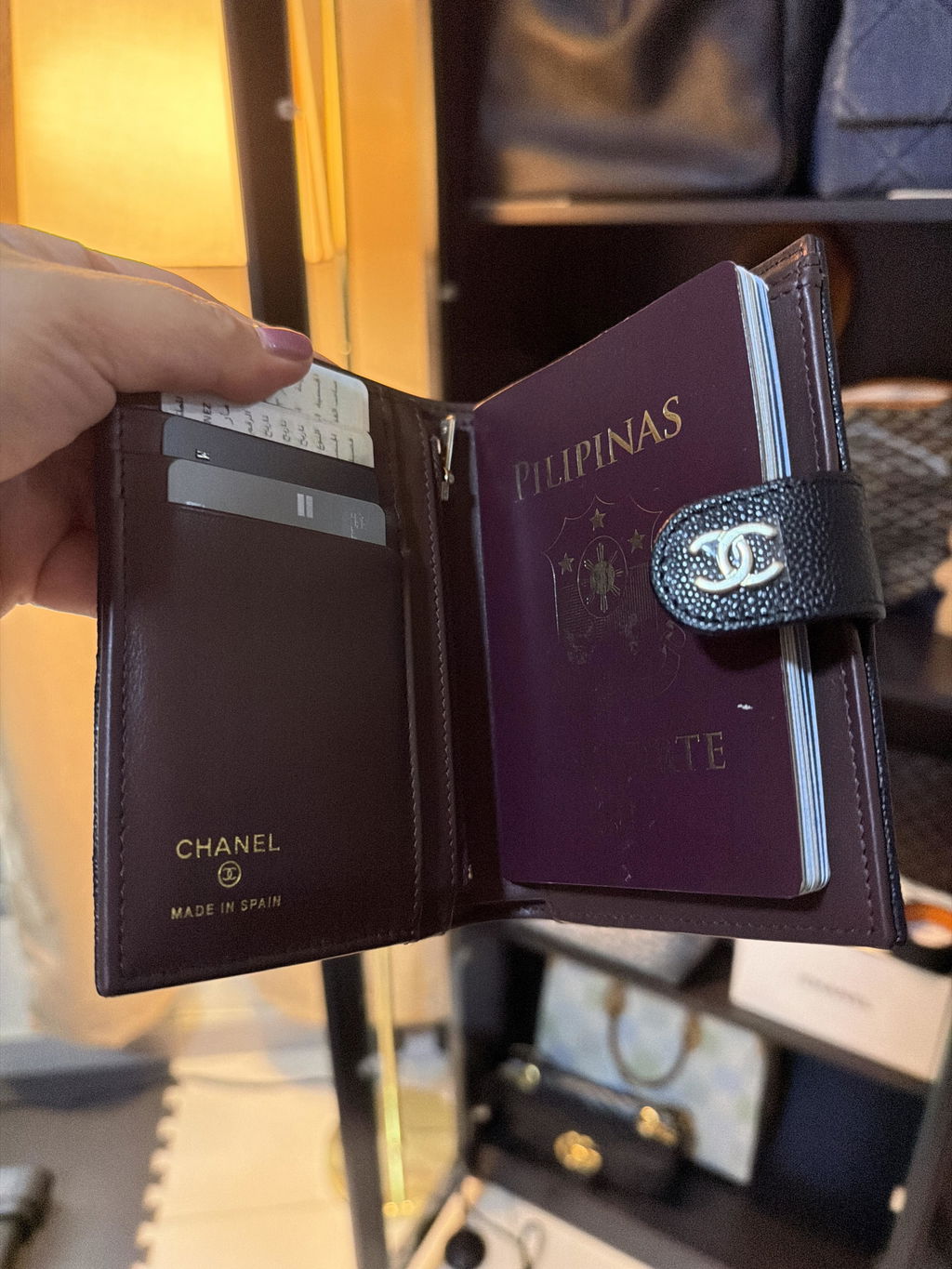
Our current Chanel textile selection can change as pieces are sold or added. View the Chanel collection and inspect the individual listing details, images, and condition notes. The product photographs in this article are current visual references from Purse Maison listings, not guarantees that every tweed piece shares the same construction.
Purse Maison is an independent luxury reseller and is not affiliated with or endorsed by Chanel. Product availability and condition change; confirm the live listing before making a decision.




Leave a comment
This site is protected by hCaptcha and the hCaptcha Privacy Policy and Terms of Service apply.