
Fendi Baguette Sizes Compared: Which One Fits Your Life
Reviewed by Miss Jay-Ann
Quick verdict: choose a Fendi Baguette size by the life you will actually give it. A compact format suits a light carry and a smaller evening routine. A standard format is the balanced choice for someone who wants the recognisable profile without planning every item. A midi or larger format is more forgiving for a day that includes sunglasses, a small pouch, or a little more personal carry, but it can feel less effortless when the bag is worn close to the body. The right answer is not the largest size. It is the one that holds your essentials without turning the bag into a daily packing exercise.
This is a practical comparison, not an official Fendi size chart. Fendi's current Baguette pages and editorial route were probed for this package but did not return a usable response, so this article avoids universal dimensions, exact capacity claims, and an invented brand taxonomy. “Small,” “standard,” and “midi” below are reader-facing fit families. Always confirm the exact listing, closure, strap arrangement, material, and inclusions before deciding.
Why Baguette size is a lifestyle decision
The Baguette is often discussed as a silhouette first, but the useful buying question is more ordinary: what must come with you? A phone, cardholder, keys, glasses, compact, medication, and a charging cable can turn a visually small bag into a crowded one. On the other hand, a generous interior can encourage overpacking and change how the bag sits on the shoulder or under the arm.
Start with a real carry list for one weekday and one evening. Remove the items you carry “just in case.” Then consider how you move through the day: car to restaurant, train to office, errands in the heat, or a short event where you want your hands free. A size that feels perfect on a shelf may be frustrating when the closure is repeatedly opened, the bag is worn crossbody, or the phone must share space with a case.

Fendi Baguette sizes compared at a glance
The table is designed to answer the first fit question quickly. It describes use cases rather than claiming that every season or construction follows the same internal dimensions. The exact product page remains the authority for what a particular piece can hold.
| Format | Best for | Trade-off to expect |
|---|---|---|
| Compact | Light evenings, events, and owners who carry only the phone, cards, keys, and one small personal item. | Less tolerance for a large phone case, sunglasses, or anything added during the day. |
| Standard | A balanced everyday-to-evening rotation when you want a small bag with a little flexibility. | Still rewards a disciplined carry list; the familiar profile does not guarantee the same interior across versions. |
| Midi | Day-to-evening use, a longer outing, or a carry list that needs more breathing room. | A chain, heavier hardware, or a fuller interior can change comfort even when the format sounds more practical. |
| Larger | Collectors who prioritise access and extra room over the smallest possible footprint. | May feel less discreet and can tempt overpacking; verify how it sits on your frame and under a jacket. |
The practical reading is simple: compact is a commitment to editing, standard is a compromise, midi is a little more forgiving, and larger is for an owner who genuinely needs the room. None is automatically superior.
Compact: for the edited carry
A compact Baguette works when your day is built around essentials. It is appealing for dinners, short appointments, and occasions where a small object feels more natural than a full day bag. The advantage is not only visual. A smaller carry list can reduce the temptation to stack heavy objects inside a structured shape.
The risk is treating “compact” as a capacity promise. Phone sizes, protective cases, key bundles, and sunglasses vary. A slim cardholder may be comfortable while a long wallet is not. If your daily essentials include medication, a power bank, or a cosmetic pouch, test those objects against the exact listing rather than relying on a generic size name.
Compact can be the best choice for a second Baguette in a collection, especially when the owner already has a practical tote or shoulder bag. It is less convincing as a one-bag solution if you regularly carry work accessories or need a quick-access layer for a busy day.
Standard: the balanced rotation
The standard format is usually the most adaptable starting point because it leaves room for a small amount of personal variation. It can move from lunch to dinner without asking the owner to change every item. That flexibility is useful for a first Baguette, but it should still be tested with the actual closure and strap configuration.
Look at the opening. A bag can have a generous-looking front panel and still be limited by a narrow zip, flap, or gusset. Look at the base and the way the interior is divided. Compartments help organisation but can reduce the useful space available to irregular objects. Check whether the strap is intended for shoulder, crossbody, or hand carry, and remember that the same bag can feel different when worn over a blazer or a light Philippine-weather layer.
For a broader framework on matching a bag to routines rather than labels, read our guide to choosing a luxury bag for everyday use.

Midi: a little more room, a different feel
The live Purse Maison example for this package is titled Fendi Baguette Chain Midi Bag. That exact identity is useful evidence that a midi-labelled Baguette is currently represented in the store's inventory. It does not establish a complete size ladder, a fixed capacity, or the dimensions of every midi version.
In daily use, the attraction of a midi format is margin. You may be able to carry one more small object without the closure becoming a negotiation. That margin helps on travel days, longer lunches, and evenings that begin after work. The trade-off is that extra room can invite heavier packing, while a chain and hardware can change the way the bag rests on the shoulder. Touch, try-on, and the exact listing matter more than the word midi alone.
Before purchase, load the objects you actually carry. Open and close the bag with one hand. Try it under a jacket and with the strap adjusted. If you plan to use it in humid or rainy weather, consider how quickly you can remove it from a damp surface and how you will store it after the outing. Climate changes comfort and maintenance, not just outfit planning.
Larger formats: when access matters most
A larger Baguette format makes sense when the owner values access and flexibility over the smallest footprint. It can be a better match for someone who dislikes moving items between bags or who carries a few small essentials for a longer day. It may also feel more proportionate on a taller frame or with a substantial outer layer, although frame and styling are personal decisions rather than rules.
The downside is the packing spiral. More interior room does not mean that a bag should carry every contingency. Weight changes comfort, and a full bag can stress closures, corners, and handles. Keep the same edited list you would use for any luxury bag, then add only what the day requires. Ask for the exact listing's dimensions and inclusions if those details are not visible. This article intentionally does not fill the gap with measurements that were not verified from an accessible official source.

How to choose your size in the Philippines
Philippine routines can combine air-conditioned interiors, outdoor heat, sudden rain, and long transitions between them. Choose the size that remains comfortable through those transitions. If the bag will sit under an umbrella arm or against a damp seat, a smaller edited carry may be easier to protect. If you spend a day moving between office and dinner, a standard or midi format may reduce the need to change bags, provided the weight remains comfortable.
Humidity also makes storage part of the buying decision. Keep the bag dry, shaded, and ventilated after use. Do not put it away while damp, and do not let a dust bag become a sealed trap around moisture. If a bag has mixed materials, use the most conservative care plan for the most delicate surface. Ask the seller about the exact condition and inclusions, then save those notes with the listing.
There is no universal “best Fendi Baguette size.” The right format depends on what you carry, how you wear it, and how willing you are to edit. A compact owner who already has a work tote may be happier than a first-time buyer who chose a larger format for an imaginary future routine.
Currently at Purse Maison
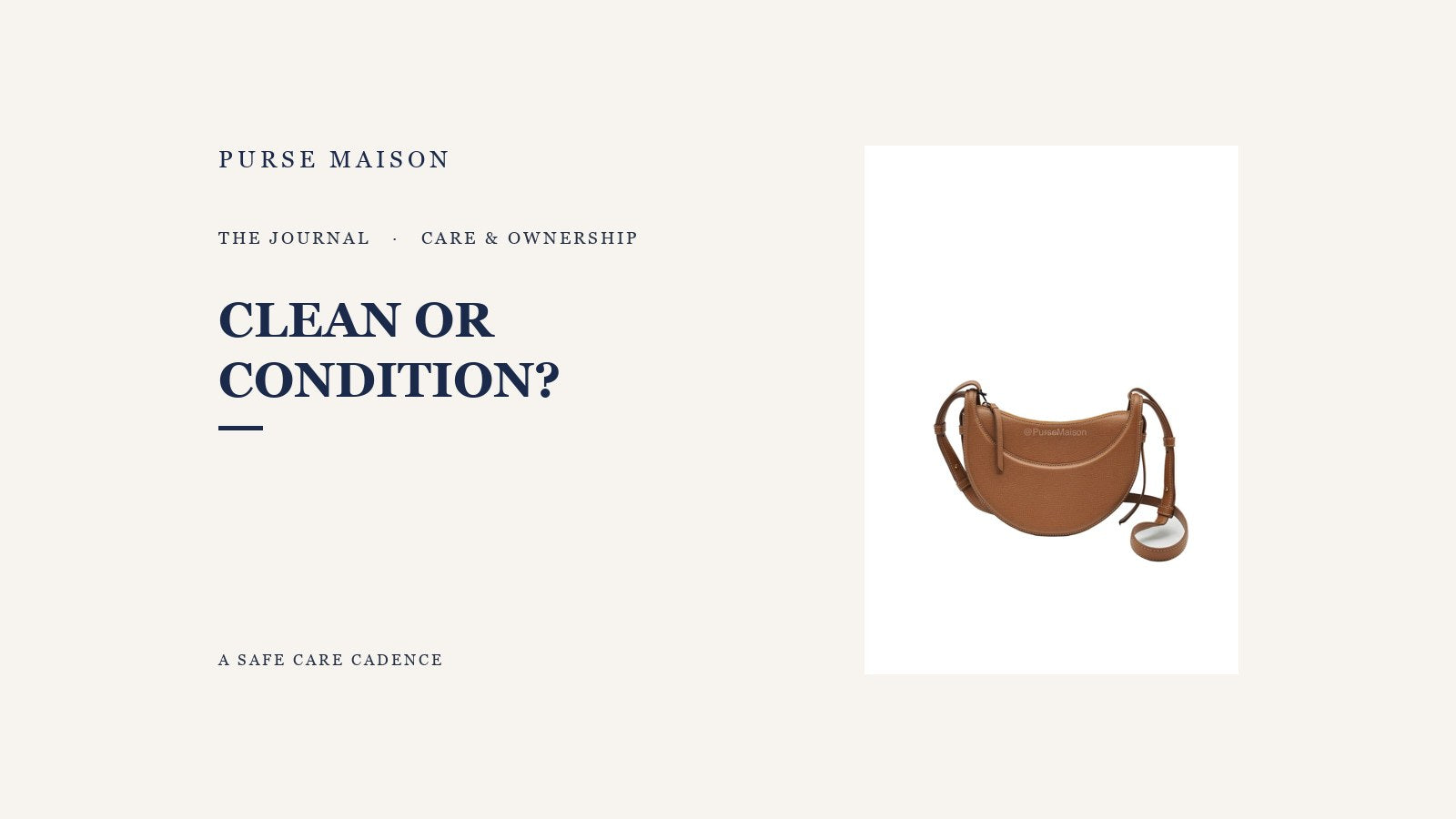
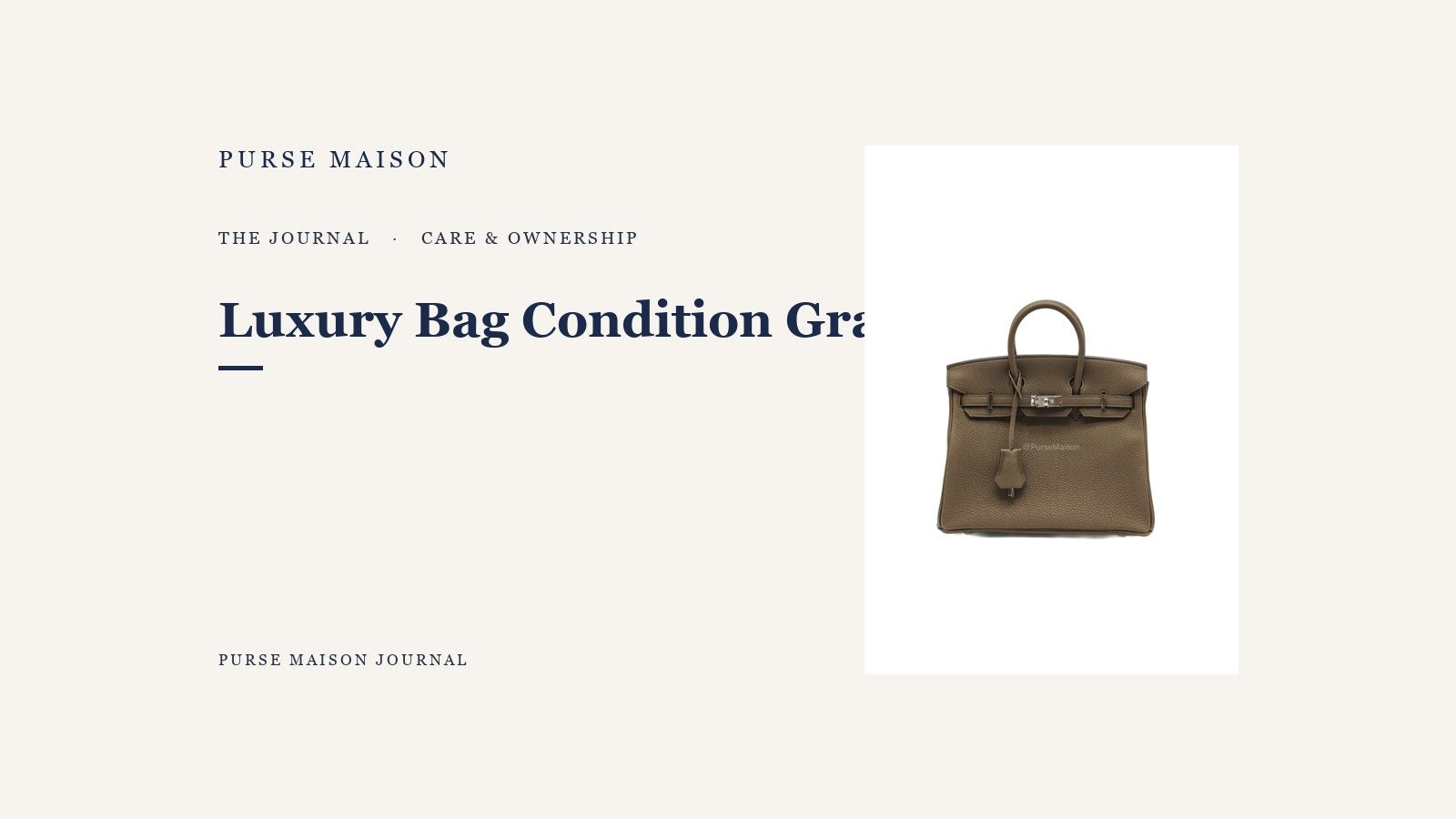
The primary live Baguette example used here is the Fendi Baguette Chain Midi Bag in Light Rose Nappa FF Embossed Leather and Gold Hardware. The current listing identity, online-store URL, creation date, and exact CDN image are preserved in the product manifest. The Fendi First and Peekaboo images above are recent same-brand context examples, not Baguette substitutes. Inventory can change, so check the listing for current condition, dimensions, inclusions, and price.
For a closer look at the category, explore the Fendi Baguette collection at Purse Maison. To compare the reasoning behind other size-led decisions, continue with our guides to Celine Luggage Tote sizes, Goyard Saint Louis sizes, and Louis Vuitton Neverfull sizes.
FAQ: Fendi Baguette fit questions
Which Fendi Baguette size is best for everyday use?
A standard or midi format is often the most practical starting point for an edited everyday carry, but the answer depends on your actual objects and the exact construction. Test your phone, wallet, keys, and regular personal items against the listing. A smaller format may be better if you already own a separate work bag.
Is the midi Baguette large enough for a full day?
“Midi” is a listing label, not a guarantee of capacity. The exact opening, compartments, closure, material, and strap affect what fits and how it feels. Use the live product page and a real carry test rather than assuming that every midi version behaves identically.
Should I choose the largest Baguette for flexibility?
Only if you genuinely need the room. A larger interior can be useful, but a fuller bag can weigh more and encourage overpacking. A standard or midi format may be more comfortable when your day changes from car to restaurant, especially in warm weather.
Do chain and hardware change the size decision?
Yes, they can change comfort and handling. A chain may feel different on the shoulder than a leather strap, and hardware adds visual and physical presence. Try the exact piece with the strap configuration you expect to use. Do not infer comfort from a size name alone.
Are Fendi Baguette dimensions the same across seasons?
Do not assume that they are. The official Fendi size pages probed for this article were unavailable during research, and the store inventory contains specific listing identities rather than a verified universal chart. Confirm dimensions, capacity, materials, and inclusions on the exact current listing before buying.
The Purse Maison Verdict
For most first-time buyers, start with the carry list, then compare the standard and midi families. Choose compact when you genuinely prefer an edited evening carry. Choose larger only when the extra room solves a real problem and the weight remains comfortable. The Fendi Baguette that fits your life is the one you can open easily, carry without resentment, and store responsibly after a humid or rainy day. A considered size choice protects enjoyment better than chasing a label that sounds universally right.
Disclaimer: Purse Maison is an independent luxury reseller and is not affiliated with or endorsed by the brands discussed unless expressly stated. This article is educational guidance, not a substitute for the exact current Fendi or seller listing specifications.
Sources: Purse Maison live inventory, product pages, and Fendi Baguette collection checked 31 July 2026; official Fendi Baguette routes checked 31 July 2026 but unavailable to the research client. Sources intentionally unlinked.

Leave a comment
This site is protected by hCaptcha and the hCaptcha Privacy Policy and Terms of Service apply.