
One Icon Bag vs Several Everyday Bags
Reviewed by Miss Jay-Ann
Some luxury buyers want one recognisable bag that carries the emotional weight of a collection. Others would rather own a small rotation built around work, errands, travel, dinners, and unpredictable weather. Neither approach is automatically more refined. The better choice is the one that matches how often you carry a bag, what you ask it to do, and how much attention you are willing to give condition and storage.
The useful comparison is not prestige against practicality. It is concentration against flexibility. A concentrated wardrobe can make every wear feel intentional, but a single bag must tolerate many settings. A rotation distributes wear and gives you more functional options, but every additional piece adds another condition record, storage space, and maintenance decision. Before choosing, define the jobs rather than counting logos.
Start with the quick verdict
Choose a single focal bag when one format genuinely covers most of your week, you enjoy repeating a signature piece, and you can accept that its condition will reflect regular use. Choose a small everyday rotation when your schedule demands clearly different capacities, carry methods, or weather responses. If you are undecided, do not begin with an abstract collection goal. Track the bags you actually reach for during four ordinary weeks and list the reason for each choice.
A “job” might be hands-free commuting, carrying documents, attending a formal dinner, travelling with a secure closure, or moving between a car and an air-conditioned office. The same format can sometimes cover several jobs, especially when the strap is comfortable and removable. Our guide to evaluating strap and handle comfort offers a practical way to test that fit before you commit.
Set a success standard in plain language. For a focal bag, it could be: “I can carry this comfortably on most weekdays and it still feels appropriate for dinner.” For a rotation, it could be: “Each piece solves a distinct problem and none is purchased only because it seems different.” This prevents the concentrated plan from becoming too precious to use and the flexible plan from becoming duplication.

Compare the two ownership strategies
The table is a decision framework, not a promise about value or durability. Asking prices are not completed-sale values, and no luxury bag is a guaranteed financial investment. The relevant “cost” here is broader: attention, wear, storage, decision effort, and the chance that a format does not suit a real day.
| Decision area | One focal bag | Small everyday rotation |
|---|---|---|
| Wardrobe role | Creates a consistent signature and reduces choice. | Lets each bag answer a more specific occasion or load. |
| Wear pattern | Frequent use concentrates corner, handle, base, lining, and hardware wear. | Use can be distributed, although every piece still needs honest care. |
| Functional range | Depends on one capacity, closure, strap, weight, and level of formality. | Can separate commuting, casual, travel, and evening requirements. |
| Condition mindset | You must be comfortable seeing a loved object acquire signs of use. | You need to monitor several condition profiles and avoid neglect. |
| Storage | Requires one well-planned, breathable space with shape support. | Requires more shelf space and a rotation that keeps pieces visible. |
| Buying discipline | Demands confidence that one format has enough range. | Demands a clear rule against near-duplicate purchases. |
| Exit flexibility | A change in lifestyle can expose the limits of the single format. | You may refine the rotation one role at a time, subject to market and condition. |
Closures deserve special attention because they shape both convenience and peace of mind. An open top can be quick to access but may not suit crowded commutes or sudden rain. A flap can look composed yet feel slow when you are repeatedly reaching for a phone. Review the trade-offs in our guide to luxury bag closure formats, then test the motion with the belongings you carry most.
Audit your real week before your wish list
Write down seven ordinary days, including the unglamorous parts. Note the longest time you carry a bag, whether you commute on foot or by car, what must fit, how often you open it, where it sits at work, and whether you move into evening plans. Include childcare, medication, chargers, an umbrella, documents, and any item that cannot be compressed. A bag that fits a staged flat lay can still be wrong for your day.
Next, score each job as frequent, occasional, or rare. A focal bag should solve the frequent jobs without needing constant compromise. It does not need to be ideal for every wedding, airport, or grocery stop if those situations are rare. A rotation earns its place when the roles are truly distinct. A structured work bag, a secure hands-free bag, and a compact evening piece may have clearer separation than three similar chain-strap flaps.
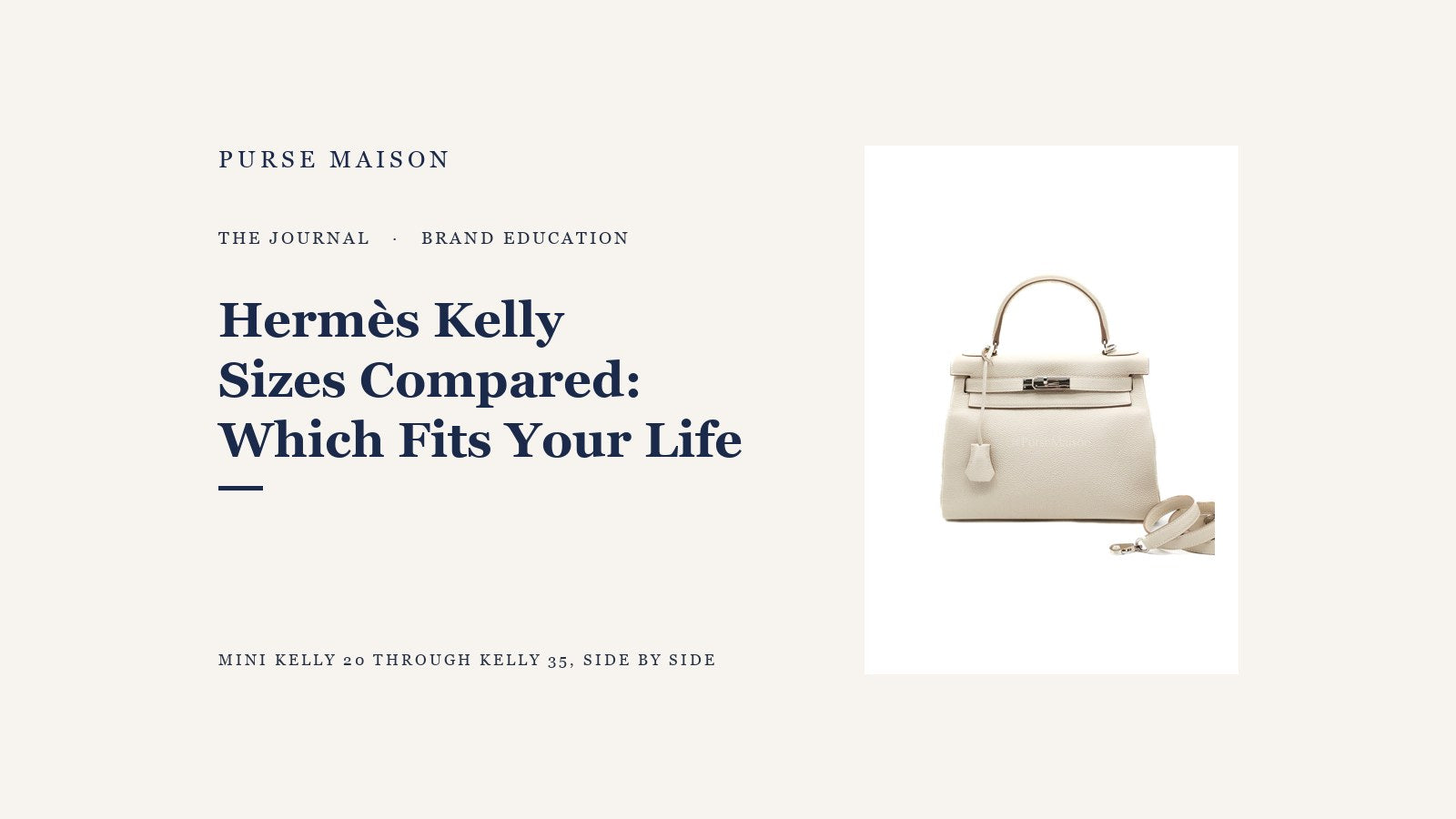
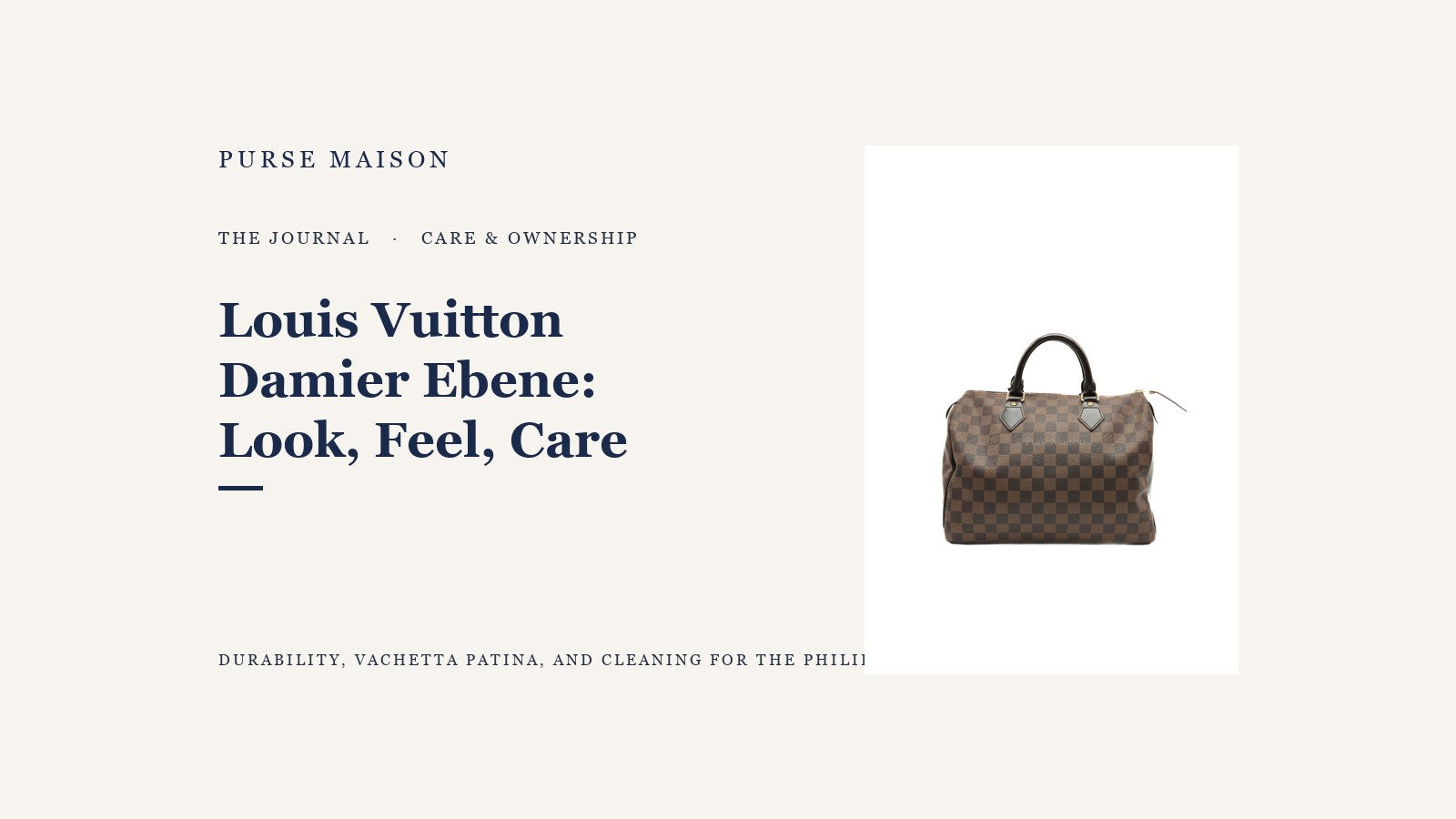
Current Purse Maison inventory can make the exercise concrete without turning it into a recommendation for every buyer. The listed Chanel 25 Medium in caramel caviar leather with aged gold hardware and the other examples shown here have different silhouettes and carry impressions. Their listings should be checked for current condition, inclusions, and availability. They are reference points, not evidence that one model is universally practical.

Examine condition, care, and the Philippine climate
Concentrated use does not make a focal bag a bad decision. It simply makes honest condition expectations essential. Look closely at the base, corners, opening, handles, strap attachment points, lining, closure, and hardware. Ask whether you can tolerate visible wear in those areas without treating the bag as a failed purchase. If you would avoid carrying it on most days to preserve it, it is not serving as your everyday solution.
A rotation does not remove condition risk. It can hide it. A piece left at the back of a cabinet may go unchecked while humidity, dust, pressure, or poor support affects it. Store bags in a clean, dry, ventilated area away from direct sunlight and crowded surfaces. Do not seal a damp bag in plastic. Follow care guidance appropriate to the exact material, and seek professional help rather than experimenting with unverified chemicals.
Metro Manila conditions make transition planning important. A day can involve outdoor heat, strong air conditioning, a sudden downpour, and a car or courier handover. Decide which bag you would actually carry when rain is possible, and how you would protect it without trapping moisture. A rotation may offer a less delicate option for uncertain weather. A focal-bag owner may instead keep a lightweight rain plan and choose transport more deliberately.
Shape is another practical issue. Structured and relaxed bags can behave differently when filled, placed on a chair, or stored between wears. Read our comparison of structured and slouchy luxury bags before assuming that a silhouette seen in a photograph will feel the same after several hours of use.
Build a disciplined buying rule
For a one-bag plan, write five non-negotiables and three tolerable compromises. Non-negotiables might include a secure closure, a comfortable carry method, room for your daily essentials, an appropriate level of formality, and a condition you are prepared to use. Compromises might include a colour that needs some outfit planning or a capacity that excludes rare travel items. If the candidate misses a non-negotiable, admiration should not rewrite the rule.
For a rotation, assign one sentence to each slot. “Work and documents,” “hands-free weekends and travel,” or “compact evening events” is stronger than “black,” “neutral,” and “colour.” Then compare any candidate with what you already own. If it solves the same job with the same carry method and similar capacity, it is probably an aesthetic variation rather than a functional addition. That can still be a valid collector choice, but name it honestly.
Set a pause between purchases so your real use can correct your plan. You may discover that a shoulder strap slips, a closure annoys you, a soft body becomes hard to organise, or a compact bag covers more occasions than expected. These observations are more useful than a theoretical wardrobe chart. They also help you discuss a specific product with a specialist using evidence from your life.

The Purse Maison Verdict
A focal bag is the stronger strategy when you want a signature, your frequent days share similar requirements, and you accept concentrated wear as part of ownership. A small rotation is stronger when your life has genuinely different jobs that one capacity, closure, or carry method cannot answer gracefully. The number of bags is not the measure of good judgment. Clear roles and honest use are.
Begin with the smallest plan that solves your frequent week. If one well-chosen format covers it, let repetition be a strength. If a real gap appears, add for that gap rather than for novelty. Condition, market demand, and future proceeds remain uncertain, so the verdict should rest on usefulness and enjoyment rather than promised resale performance.
Frequently asked questions
Is one expensive bag easier to maintain than several?
It creates fewer records and needs less storage space, but frequent use can concentrate wear and cleaning decisions. Several pieces distribute use but require consistent inspection and appropriate storage for each material and structure. “Easier” depends on whether you are disciplined about rotation and condition checks.
Does a rotation protect resale value?
Not reliably. Condition can influence buyer interest, but completed-sale outcomes also depend on the exact model, version, provenance, inclusions, market, timing, and transaction costs. Luxury goods are not guaranteed financial investments. Buy a rotation for real use, not a promised percentage.
How many roles should an everyday rotation cover?
There is no universal number. Start with frequent jobs that require meaningfully different capacity, security, carry method, or formality. If two proposed slots solve the same job, combine them unless you intentionally want aesthetic variety as a collector.
What if the focal bag feels too precious to carry?
Treat that as decision evidence. Revisit the condition, colour, material, replacement anxiety, and settings that make you hesitate. A bag chosen for frequent use should be one you can carry with reasonable care, not one that remains stored because every mark would feel unacceptable.
Can I change strategies later?
Yes. Lifestyle and preferences change. Add or release a role gradually after reviewing actual use, current condition, and current market context. Do not assume the original purchase price or an asking price will be recovered.
Next step: Explore bags currently available at Purse Maison and compare each candidate against your written wardrobe roles before requesting item-specific guidance.
Purse Maison is an independent luxury reseller and is not affiliated with or endorsed by the brands discussed unless expressly stated.
Sources: Purse Maison Blog Editorial System SOP v1.7; live Purse Maison Shopify catalog and collection checks recorded in the accompanying research and product manifests; current product routes and exact CDN image probes checked 5 August 2026.

Leave a comment
This site is protected by hCaptcha and the hCaptcha Privacy Policy and Terms of Service apply.