
Collector Mistakes: Buying Rarity Without Personal Fit
Rarity can make a bag interesting, but it cannot make the bag comfortable, useful, or right for your wardrobe. The most expensive collector mistake is buying a story you do not actually want to live with.
Reviewed by Miss Jay-Ann
Quick answer
Before paying for rarity, test personal fit: carrying comfort, wardrobe use, storage, condition tolerance, and the reason you want the piece. Treat scarcity as one input, not the decision itself. No luxury bag is a guaranteed investment.
What the decision is really about
Translate the question into evidence: the exact item, the role it must serve, and the uncertainty that would change your mind. A recommendation is guidance, not a guarantee. Details that vary by edition or listing belong to the current product record, not a generalized article claim.
Rarity is not one thing
A piece may feel scarce because few are currently listed, because an exact version had limited distribution, because its condition is unusual, or because demand is concentrated. Those are different claims. Ask what is known about the item and what is market atmosphere.
The fantasy-versus-use test
Imagine owning the bag after the first month. Where would you carry it? What would you put inside? What maintenance would you accept? A display or archive decision can be valid, but its cash and storage implications differ from an everyday purchase.
Condition and completeness still matter
Rarity does not erase surface wear, odor, shape loss, missing accessories, or uncertain history. A less unusual bag in stronger condition may create more satisfaction and less maintenance. Ask for exact photographs and a clear account of inclusions.
A disciplined collector’s pause
Use a cooling-off note: desired role, maximum cash outlay, unresolved questions, and what existing piece the purchase duplicates. If you still want it after resolving those questions, the decision is more likely personal conviction than scarcity pressure.
Philippine ownership context
Metro Manila adds heat, humidity, sudden rain, enclosed air-conditioning, and storage transitions to an otherwise simple decision. Keep the bag clean and dry, avoid compressed storage, and let the exact material and finish guide care. Do not leave a luxury bag in a hot vehicle or seal a damp piece in plastic. If odor, surface change, shape damage, or uncertain treatment history appears, pause and ask a qualified specialist.
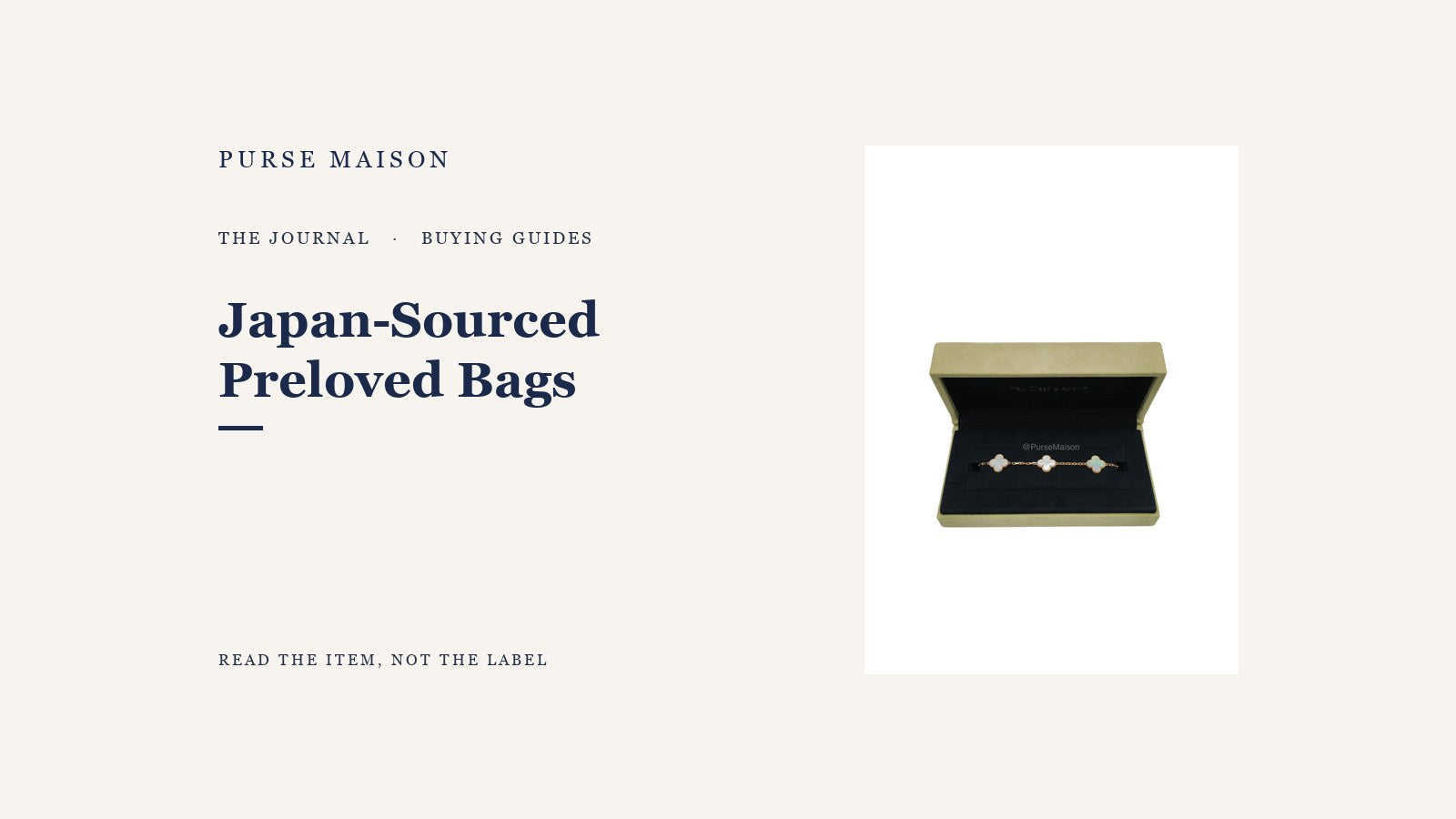
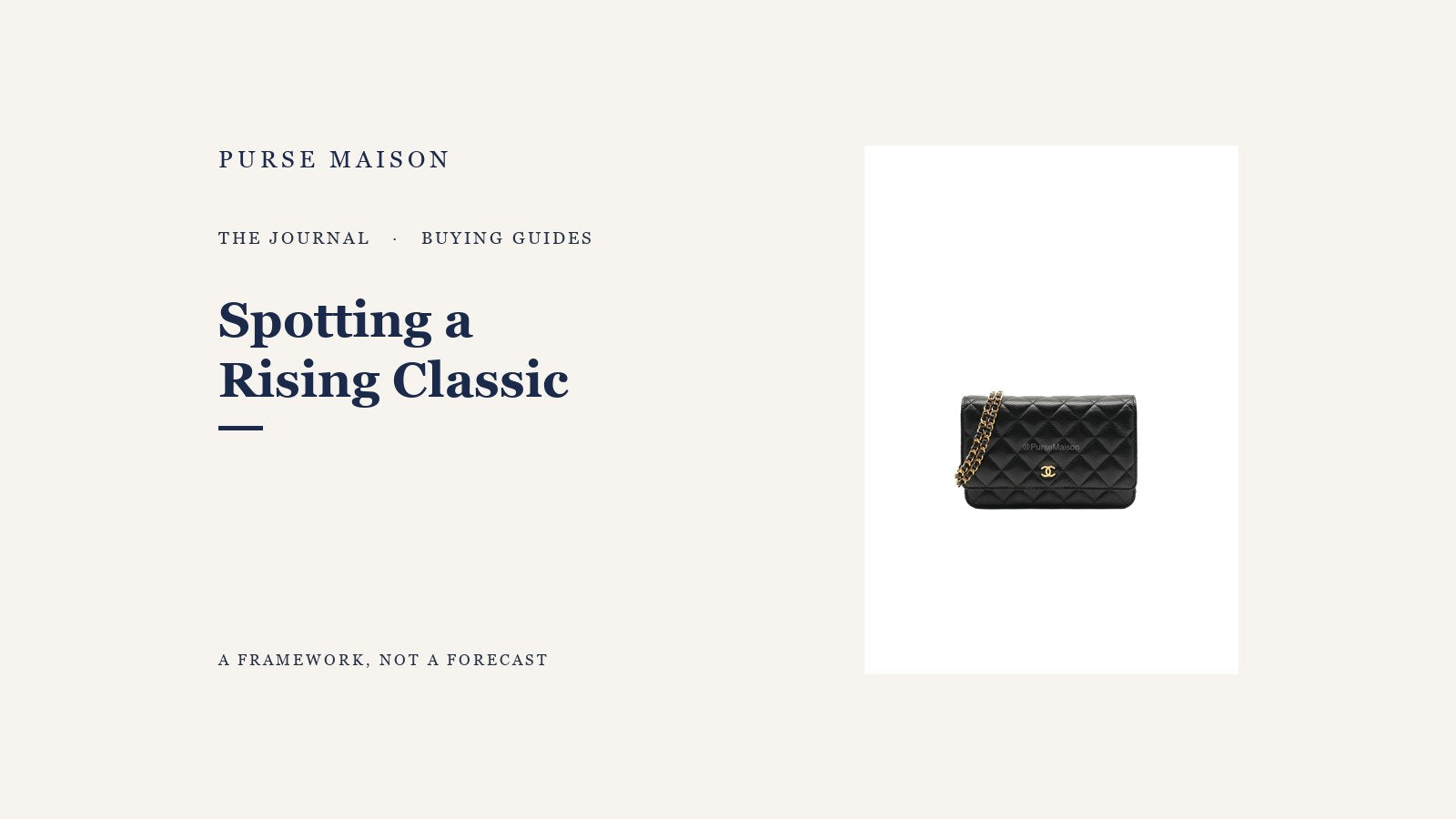
Currently at Purse Maison
The examples below are current live inventory references, not proof that they are the exact model or historical subject discussed above. Use the linked listing for the item-level record because availability and details can change.


Explore the current Available Now at Purse Maison collection for available alternatives.
A practical checklist before committing
- Write down the job the bag must perform and the contents you actually carry.
- Confirm exact title, model, size, material, color, hardware, condition, and inclusions on the listing.
- Ask one precise question for every unresolved photograph or description.
- Separate asking price from completed-sale evidence and do not treat a luxury purchase as a guaranteed investment.
- Consider Manila storage, rain, humidity, maintenance, and cash opportunity cost.
The Purse Maison Verdict
The best answer survives both the editorial question and ordinary ownership. Choose the piece whose evidence is clear, whose role is useful, and whose trade-offs you can accept without needing a future market outcome to justify the purchase. If an important detail remains unverified, pause, ask, or choose a better-documented alternative.
Questions to answer before committing
For a collector, the useful pause is to separate the emotional reason for wanting a piece from the evidence that makes the purchase sensible.
Before committing, write down the exact uncertainty that remains. Is it the condition, the carrying position, the color, the size, the source description, or the likely maintenance? A precise question is easier to answer than a general feeling that something is “off.” If the listing cannot resolve the point, treat that as part of the decision rather than filling the gap with an assumption.
Run a real-life test. Imagine the bag on the journey you make most often, with the objects you actually carry, in the weather you actually experience. Consider elevators, walking, commuting, dining, rain, air-conditioning, and storage. The test is not whether the piece looks good in an editorial photograph; it is whether the ownership pattern feels realistic after the excitement of purchase has passed.
Condition deserves its own line in the decision. Look for handles, corners, edges, hardware, lining, shape, odor, and inclusions, while remembering that the exact material can change what wear means. Do not turn a photograph into an authentication conclusion. For a high-value purchase, ask for professional review and preserve the seller’s answers so the decision remains traceable.
Keep the commercial decision separate from the emotional story. A rare-looking, colorful, newly noticed, or culturally important piece may still be the wrong use of cash if it duplicates something owned or requires care the buyer will not provide. Use PHP limits, opportunity cost, and frequency of use as practical guardrails. Never justify a purchase with a promised future resale outcome.
Philippine ownership changes the maintenance conversation. Humidity, heat, sudden rain, dust, enclosed storage, and movement between outdoor heat and air-conditioning all reward simple routines: keep the bag dry, avoid compressed storage, support its shape appropriately, and follow material-specific advice. Do not apply a household recipe merely because a similar-looking bag tolerated it.
Ask the seller questions that can be answered about the actual piece: Are these photographs of the item? Which wear is easiest to see in person? What is included? Is any repair, treatment, odor, or shape change known? Which details came from the listing and which are editorial interpretation? A clear answer builds trust; an unclear answer is a reason to pause, not a reason to guess.
The final decision can be “not yet.” Waiting for better documentation, a specialist opinion, a more suitable size, or a piece that fits the wardrobe is not failure. It protects cash and keeps the purchase aligned with the reason it was attractive in the first place. If the evidence is clear and the trade-offs are acceptable, then choose deliberately and keep the listing record for future care or resale context.
A collector’s ledger can be short: why this piece, what evidence supports the description, what it duplicates, what care it needs, and what would make you walk away. Keeping that note reduces the chance that a limited label or urgent feeling becomes a substitute for fit.
Keep the decision record with the listing or ownership notes. For a purchase, save the exact title, handle, condition description, included accessories, and date checked. For care, save the material information and any professional advice. For a gift, save the recipient’s preferences without turning a private conversation into a public claim. Small records create better future decisions than confident memory.
A careful buyer also knows which question is outside the article’s authority. Authentication, specialist treatment, changing availability, and transaction-level value require direct evidence. When the answer is unavailable, say so plainly and continue only if the remaining facts are enough for a comfortable decision.
Before you commit, check that the article’s central recommendation still makes sense if one attractive detail changes: the color looks different in person, the exact size carries less than expected, a condition mark is more visible, the source history remains incomplete, or availability moves. A resilient decision has a reason beyond urgency. It also has a clear next step, whether that is asking for a close-up, arranging a showroom viewing, consulting a specialist, or deciding not to proceed. This is especially important for preloved luxury, where every individual listing is unique and no generalized guide can replace inspection of the actual piece.
The collector’s final check is whether the piece earns its place without competing with a more useful bag already owned. If the answer depends on a future price, a scarcity rumor, or pressure to act immediately, pause. A deliberate collector can appreciate rarity while still declining a purchase that does not fit.
FAQ
Is rare always more valuable?
No. Rarity and demand can diverge, while condition and completeness still matter.
Should collectors avoid practical bags?
No. Practicality can be part of why a piece remains meaningful and used.
Can I call a bag an investment?
Luxury purchases carry financial risk; do not promise appreciation.
What is the best first question?
Ask what role the bag will play in your actual life and what evidence supports its description.
For more context, read How Southeast Asian Luxury Collectors Could Buy, Sell, and Track Better.
For more context, read How Southeast Asian Collectors Buy, Sell, and Track Better.
For more context, read How Southeast Asian Collectors Buy, Sell, and Track Better.
Sources and limits
Sources: Purse Maison Shopify Admin inventory and public listing checked 2026-07-31; Purse Maison Blog Editorial System SOP v1.7. Brand-specific details that vary by edition, market, material, or date should be confirmed against current official specifications. Purse Maison is an independent luxury reseller and is not affiliated with or endorsed by the brands discussed unless expressly stated.

Leave a comment
This site is protected by hCaptcha and the hCaptcha Privacy Policy and Terms of Service apply.