
Hermès Flex Slip-On Sneakers in Fabric: What Buyers Should Know
Reviewed by Miss Jay-Ann
The Hermès Flex Slip-On is most compelling for a buyer who values a clean, low-top sneaker without the visual interruption of laces. The format looks simple, but simplicity makes fit, condition, and fabric care unusually important. A slip-on cannot be tightened across the instep, and a light textile surface can reveal friction or soiling sooner than a darker, more structured shoe.
The current Purse Maison listing verifies one specific pair: Hermès Flex Slip-On Sneakers in Gris Silex fabric, size 37.5 EU, with a listed foot-length reference of 23.7 cm. Those details describe that inventory item only. They do not prove that every Flex pair fits the same way, that 23.7 cm converts universally across brands, or that a buyer should choose the same size worn in another Hermès model. The prudent decision is therefore pair-specific: confirm the listing, inspect the actual shoe, and test heel hold and forefoot comfort before relying on a size label.
What the Current Listing Actually Establishes
A good buying decision begins by separating verified facts from assumptions. The source record identifies the model as Flex, the silhouette as a low-top slip-on sneaker, the color as Gris Silex, the primary upper as fabric, and the marked size as 37.5 EU. The listing also records 23.7 cm. That is useful evidence for this pair, especially when comparing it with a buyer's own foot measurement and a familiar shoe, but it is not a universal Hermès conversion chart.

The listing title should guide the first round of questions. Ask whether the marked size is visible in the photographed shoe, whether the 23.7 cm notation reflects the seller's recorded reference for this pair, and whether the condition photos show both shoes from comparable angles. A complete view should include the uppers, toe areas, heel counters, sidewalls, insoles, and outsoles. If any of those views are absent, request them rather than filling the gap with expectations based on another pair.
Color names also deserve restraint. Gris Silex is the listing's stated color, but screens, studio lighting, and white balance can change how grey fabric appears. A buyer choosing the shoe for a tightly coordinated wardrobe should compare several unfiltered images and, when possible, view the pair in person. The listing is a decision tool, not permission to infer every technical specification that it does not state.
Why the Slip-On Format Changes the Fit Decision
The practical appeal of a slip-on is immediate: quick entry, an uninterrupted upper, and an easy relationship with relaxed tailoring, denim, or travel clothing. The trade-off is reduced adjustability. Laces can distribute tension across different parts of the foot; a slip-on depends more heavily on the shape of its opening, the volume over the instep, and the way the heel is held while walking.
That makes static try-on insufficient. A pair can feel acceptable while standing yet lift at the heel during a normal stride. It can also feel secure at the heel but press across the instep after several minutes. Before committing, walk at an ordinary pace, turn, use a short flight of stairs if safe, and notice whether the toes grip to keep the shoe on. Toe gripping, repeated heel movement, numbness, or concentrated pressure are reasons to pause, not signs that an expensive shoe must simply be endured.
Use the sock thickness you realistically expect to wear. A no-show sock and a medium athletic sock can change volume and heel hold. Try both shoes because feet are often not perfectly symmetrical, and assess the larger or more sensitive foot first. Do not assume that fabric will stretch into a perfect fit. Different textiles, linings, reinforcements, and prior wear can behave differently, while overstretching may leave the shoe less secure.

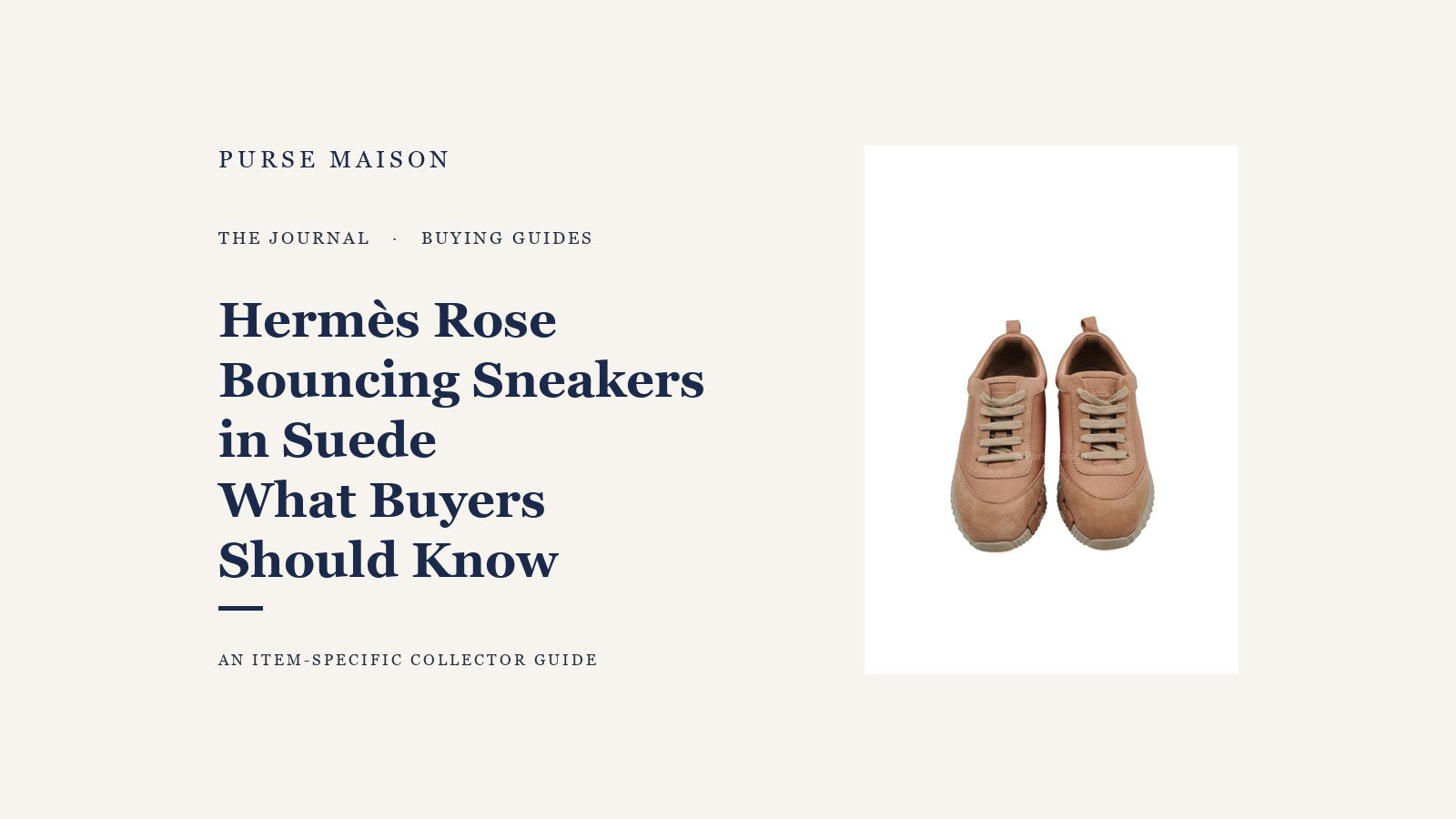
The lace-up Rose Bouncing pair above illustrates why model-to-model sizing shortcuts are risky. Its closure can be adjusted; the Flex opening cannot be tuned in the same way. Even close listed foot-length references do not make two different constructions equivalent. Compare the actual Flex pair with your own well-fitting slip-on, not merely with a lace-up sneaker bearing a similar European size.
How to Check Fit Without Guessing
Begin with three pieces of information: the marked size, the listing's pair-specific length reference, and your own measurement taken while standing. Measure both feet later in the day, when they are more likely to reflect normal daily volume, and wear the socks intended for the shoe. Treat the result as a screening tool. It can identify an obvious mismatch, but it cannot reveal the internal width, instep volume, heel shape, or where the upper will contact your foot.
Next, compare the Flex with a slip-on that already works for you. Note the insole length only if it can be measured without damaging either shoe, then compare opening shape, heel height, toe profile, and how far the foot sits forward. A familiar size from another brand is less useful than the behavior of a familiar construction. If buying remotely, ask for a clear description of heel slip, insole condition, and any visible stretching around the opening, while remembering that the seller's foot shape may differ from yours.
Avoid categorical language such as “true to size,” “runs small,” or “size up” unless it comes from model-specific, well-supported evidence that matches the exact construction. One inventory listing cannot establish any of those rules. For this pair, the safest recommendation is to use size 37.5 EU and 23.7 cm as identifiers, then confirm fit through measurement and try-on. If you are between sizes, have a high instep, a narrow heel, or a wide forefoot, in-person assessment is especially valuable.
Comfort should be evaluated without damaging the shoe. Try it on a clean surface, keep protective materials intact where applicable, and do not force the heel through a tight opening. A secure slip-on should stay with the foot naturally. It should not require the toes to claw, the heel to be crushed, or the upper to be stretched as a substitute for suitable volume.
Condition, Fabric, and Construction Checks
Fabric footwear should be assessed under neutral light. Examine the toe and flex zones for abrasion, pilling, discoloration, or changes in texture. Compare the left and right shoes because uneven wear can reveal gait patterns or storage pressure that a single hero image hides. Check seams and junctions where fabric meets trim or sole, looking for lifting, fraying, adhesive residue, or repairs that are not clearly disclosed.
The opening and heel counter matter more on a slip-on than they might on a lace-up. Repeated entry can soften or distort these areas, and a collapsed heel can change hold even when the marked size is correct. Inspect insoles for compression, staining, odor concerns, or replacement, and inspect outsoles for heel wear, smoothing, embedded debris, and asymmetry. Ask whether accessories shown in the listing are included, but value the shoe primarily by its actual condition and suitability.

Do not use an aggressive stain remover, brush, or home recipe merely because the upper is described as fabric. The current listing does not identify a precise textile composition or approved treatment. Ask a qualified footwear-care specialist to identify the material and test any treatment discreetly. The broader principle in the Purse Maison guide to Hermès materials also applies here: care should follow the verified material, not a guess based on appearance.
Currently at Purse Maison
- Hermès Flex Slip-On Sneakers in Gris Silex fabric, size 37.5 EU: the exact pair discussed in this guide.
- Hermès Rose Bouncing Sneakers in pink suede, size 37 EU: a lace-up sneaker context reference, not a Flex fit equivalent.
- Hermès Jour Loafers in brown suede goatskin, size 37.5: a different slip-on construction shown for format context.
Manila Wear, Rotation, and Storage
Manila's heat, sudden rain, street moisture, and strong indoor air-conditioning make rotation more sensible than continuous wear. Fabric can collect dust and show splash marks, while repeated damp-to-dry cycles may affect several materials in a shoe differently. Check the forecast, avoid flooded or freshly washed surfaces, and carry an alternative if rain is likely. This is not a weatherproof sneaker unless the exact product documentation says so.
After wear, allow the pair to air naturally in a shaded, ventilated area before storage. Do not trap a damp shoe immediately inside a closed box or plastic container, and do not accelerate drying with direct sun or concentrated heat. Remove loose surface dust only with a method appropriate to the verified textile. If the shoe becomes wet or stained, blot rather than rub and seek material-specific advice before applying a product.
Rotate the Flex with other shoes so the interior can dry fully between wears. Store both shoes supported enough to preserve their shape without stretching the openings. Keep them away from direct light, heat sources, and uncontrolled humidity. For a broader look at how a different Hermès slip-on format approaches wear and styling, read the guide to Hermès Oz mules in fringed denim. When reviewing any preloved pair, the framework in How to Read a Purse Maison Listing helps separate photographed facts from assumptions.
The Purse Maison Verdict
The Hermès Flex Slip-On in fabric is a strong candidate for a buyer who wants understated, lace-free footwear and is prepared to make the decision around the exact pair rather than the model name alone. Its convenience is also its central fit risk: without laces, heel hold and instep volume must be right from the start. The Gris Silex pair's recorded size 37.5 EU and 23.7 cm reference are valuable identifiers, not a universal sizing promise.
Choose it when the actual condition is clearly documented, both shoes feel secure during a walking test, and the light fabric suits your rotation and care habits. Step back when the opening is distorted, heel movement is persistent, pressure is concentrated, or care expectations depend on an unverified material assumption. The best Flex purchase is not the pair that matches a familiar size label. It is the pair whose verified condition, measured reference, and real walking fit all agree.
Explore the current Hermès shoes collection at Purse Maison and request pair-specific measurements or condition details before deciding.
FAQ: Hermès Flex Slip-On Sneakers
Do Hermès Flex Slip-On sneakers run true to size?
The current listing does not establish a universal fit rule. The pair is marked 37.5 EU with a listed 23.7 cm reference, but buyers should compare those details with their own measurements and test heel hold, instep pressure, and forefoot comfort in the actual shoe.
Can I use my size in another Hermès sneaker?
Use it only as a starting reference. A lace-up sneaker can be adjusted across the foot, while the Flex relies on its fixed opening and internal volume. Different models, materials, and prior wear can therefore feel different even when the marked size is the same.
What should I inspect on a preloved fabric pair?
Check the toe and flex zones, opening, heel counter, seams, fabric-to-sole junctions, insoles, and outsoles. Compare both shoes for uneven abrasion, discoloration, stretching, repairs, odor concerns, and asymmetrical sole wear.
Is the fabric suitable for Manila's rainy season?
Treat it as fair-weather footwear unless exact product documentation states otherwise. Avoid heavy rain and street water, let the shoes air naturally after humid wear, and seek material-specific care advice before using any cleaner or protective treatment.
Is a 23.7 cm listing reference enough to buy remotely?
No. It can screen for an obvious mismatch, but it does not describe internal width, instep volume, heel shape, or the effects of previous wear. Request complete condition photos and pair-specific clarification, and prefer a careful try-on when possible.
Purse Maison is an independent luxury reseller and is not affiliated with or endorsed by the brands discussed unless expressly stated.
Sources: Purse Maison product records, Hermès official footwear category information, and Hermès official care guidance; checked 21 August 2026.

Leave a comment
This site is protected by hCaptcha and the hCaptcha Privacy Policy and Terms of Service apply.