
How to Choose a Luxury Bag for a Petite Frame
Reviewed by Miss Jay-Ann
A petite frame does not require a miniature wardrobe of bags. It requires a sharper eye for proportion. The bag that looks balanced on one person can dominate another, even when both are carrying a similar amount. The useful question is not “What is the smallest bag available?” It is “Where will this bag sit, how much visual weight will it add, and will it carry what my day actually needs?”
This guide treats petite fit as a styling and comfort decision, not a body measurement test. Exact dimensions, strap drops, and capacity vary by model, material, hardware, and production version. Confirm those details against the current listing or the brand’s current specifications before you commit. The principles below help you narrow the field without turning a personal choice into a universal rule.
Start with proportion, not a size label
Words such as mini, small, medium, and compact are useful starting points, but they are not a complete fit assessment. A compact bag with a broad, rigid profile can feel more visually substantial than a slightly larger bag with a narrow base and a close-to-body shape. Hardware, quilting, monograms, a long flap, and a high-contrast colour can also increase the impression of scale.
Stand in front of a full-length mirror with the bag empty. Look at the relationship between the bag’s widest point and your torso, then look at the relationship between the strap and your shoulder. The goal is visual balance. If the bag becomes the first thing you notice, try a quieter finish or a closer-to-body position. If it disappears completely, a little more structure or colour may give the outfit definition without adding bulk.
A petite frame can carry a larger bag when the rest of the outfit and the use case support it. A workday tote that stays near the body may look more composed than a tiny bag that hangs too low and swings with every step. Conversely, a small evening bag can look awkward if its chain, oversized logo, or thick hardware creates more visual noise than the bag itself. Scale is a relationship, not a category.
Where the bag sits matters more than the label
Strap placement changes the entire impression. A shoulder bag that rests close under the arm usually reads as contained. A crossbody worn across the upper torso can create a clean diagonal, while a very long drop can pull the eye down and make the bag feel disconnected from the rest of the outfit. A top-handle bag held near the hand creates a different line again, often making the silhouette feel deliberate even when the bag is not especially small.
Try the bag with the clothes you actually wear. Test it over a light blouse, a jacket, and the kind of rain layer you use in the Philippines. If the strap sits on a seam, slides off the shoulder, or presses into the neck, the bag may be wrong for your routine even if it looks attractive in a product photograph. A comfortable position is part of proportion because a bag that is constantly adjusted never looks settled.

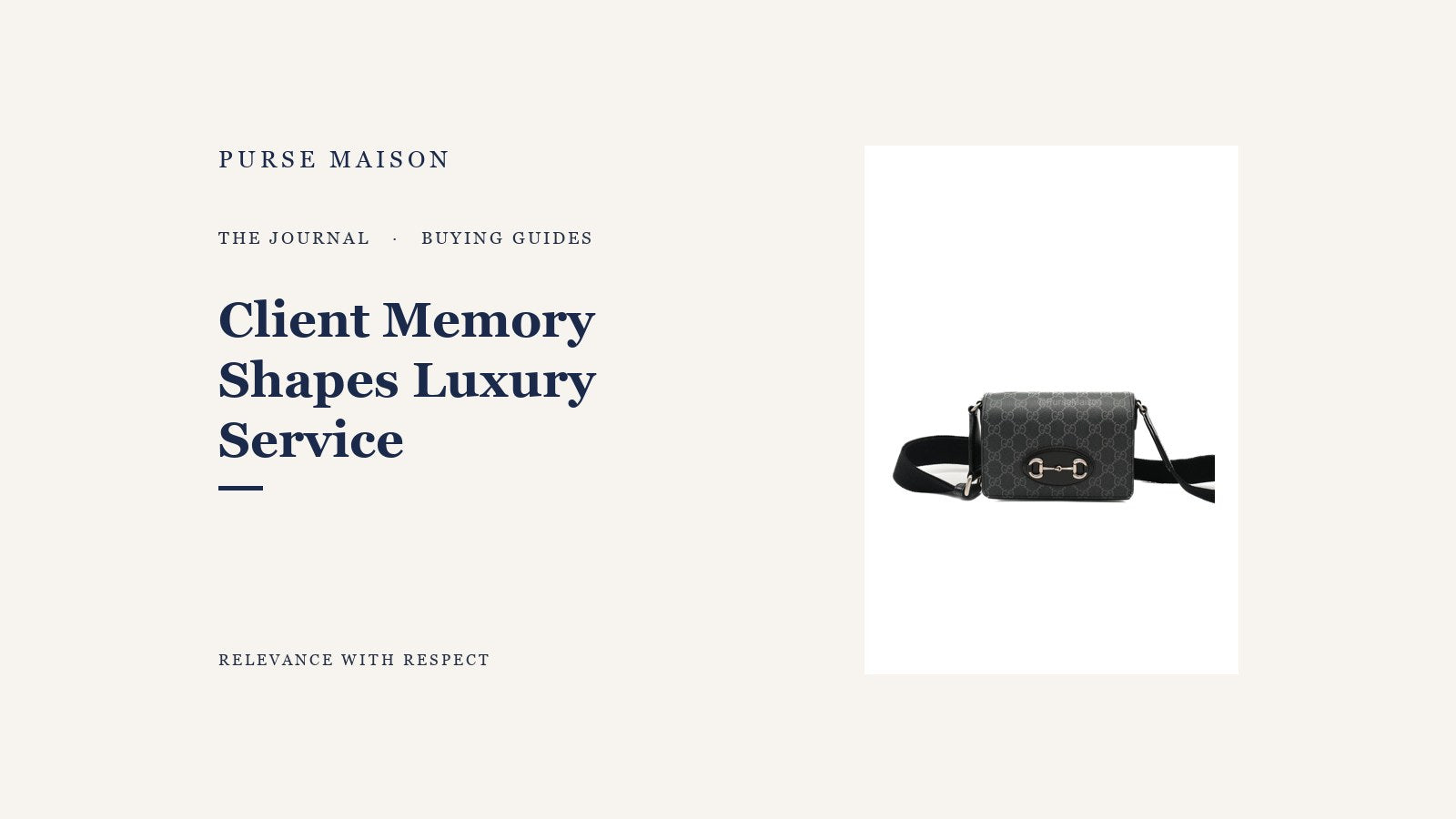
The current inventory example above shows why the word mini should begin a conversation rather than end it. Consider the strap, the position of the closure, and the amount of hardware in relation to your shoulder line. A petite wearer who prefers hands-free carry may value a stable, close-fitting strap more than the smallest possible body. Another wearer may prefer a top handle because it keeps the visual footprint higher and the movement quieter.
Choose visual weight with intention
Visual weight is created by more than width. A boxy silhouette, a firm base, thick handles, dense quilting, and prominent metal can make a bag read strongly. Soft construction, a narrow profile, and a single low-contrast colour can make the same amount of material feel quieter. There is no correct answer. The right choice depends on whether you want the bag to anchor an outfit or disappear into it.
If you are unsure, start with one clear feature. Choose structure without excessive hardware, or colour without a busy surface, rather than combining every high-impact detail at once. A petite frame can absolutely carry a statement bag, but the statement should feel chosen. The mirror test is useful: take a step back and check whether the bag supports your outline or interrupts it.
Hardware deserves its own check. A chain can look elegant and remain comfortable, but a thick chain may add weight and visual movement. A short handle may feel balanced while a broad strap gives better support. Look at the attachment points too. They affect how the bag hangs, and the hang is often more important than the bag’s name.
Capacity is a lifestyle decision
The most common petite-frame mistake is choosing a very small bag to create proportion, then overfilling it until the shape collapses. Start by listing what you carry every day: phone, cards, keys, glasses, a compact, medication, a small umbrella, or other essentials. Remove items that live in the bag out of habit. Then compare that list with the real interior layout of the bag, not only its exterior appearance.
For a first luxury bag, a compact shape with an organised interior can be more useful than an ultra-mini format. A bag with a stable base may keep its outline when it holds your essentials. A softer bag may feel more relaxed but become visually wider when filled. Neither is automatically superior. Ask whether you prefer a defined outline or flexibility, and whether the closure remains easy to use when the bag is full.

A small bag can be a smart choice for humid city days because it encourages a lighter load and fewer objects rubbing against the lining. That is a practical recommendation, not a promise that every small bag will be more comfortable. In hot weather, a bag that sits close to the body may pick up more contact and movement, while a hand-held format may require more active carrying. Consider how you move between air-conditioned rooms, outdoor heat, and sudden rain.
Materials and colour change the impression
Finish is part of scale. A glossy surface reflects light and can appear more prominent. A grained or textured surface may make marks less visually immediate, while a smooth surface can look especially clean and precise. These are appearance observations, not durability guarantees. The same material name can behave differently depending on finish, construction, age, and care history.
Colour can either quiet or amplify the silhouette. A tonal neutral often makes the outline feel continuous, while strong contrast between bag and clothing makes the boundary more obvious. That does not mean petite wearers should avoid colour. A compact bag in a clear colour can provide focus without adding physical volume. Choose colour according to your wardrobe and tolerance for visible wear, especially if the bag will be used often in a rainy, humid climate.

A petite-frame fitting ritual
Use this five-minute ritual before you buy. First, put the bag on with the strap at its intended setting. Second, walk, sit, and reach for your phone. Third, add the objects you really carry. Fourth, view the bag from the front, side, and a few steps away. Finally, ask one practical question: would I choose this position and load on an ordinary weekday, or only for a photograph?
- Check the line: does the strap support your shoulder and place the bag where you expect?
- Check the outline: does the bag keep a calm shape when filled with essentials?
- Check the hardware: does it add a deliberate accent or constant movement?
- Check the closure: can you open and secure it without fighting the bag?
- Check the climate: can you keep it away from sudden rain, direct sun, and unnecessary heat?
- Check the life: does it work with your commute, errands, dinners, and storage habits?
For a broader sense of how different proportions behave, compare the size-focused Journal guides on Goyard Anjou sizes, Bottega Veneta Jodie sizes, and Gucci Jackie 1961 sizes. They are useful prompts for comparing capacity and use, not substitutes for trying the exact piece.
Currently at Purse Maison
Current inventory changes, so use the listing as the source of truth for condition, inclusions, and specifications. The three photographed examples above can be reviewed directly: Gucci Horsebit 1955 Mini, Chanel 25 Mini, and Loewe Puzzle Small. For a wider set of compact formats, browse the Mini Bags Philippines collection.
FAQ: choosing a luxury bag for a petite frame
Is a petite frame limited to mini bags?
No. Petite fit is about proportion, position, and intended use, not a fixed bag category. A larger bag can work when its strap, structure, and load sit comfortably. A mini bag can look unbalanced if it hangs too low or carries too little for the day.
Should petite wearers avoid large hardware?
Not automatically. Hardware changes visual weight and movement, so judge it with the bag on your body. If the hardware dominates the outfit or makes the bag swing, try a quieter finish or a different carry position. If it gives the silhouette a useful focal point, it may be exactly right.
Is a crossbody always the easiest option?
A crossbody can be practical because it leaves the hands free, but the best position depends on strap length, clothing, and how you move. Test it while walking and sitting. A shoulder or top-handle bag may suit you better if a diagonal strap feels restrictive or places the bag too low.
How can I avoid overfilling a small bag?
List the objects you carry every day, then remove duplicates and emergency items that never leave the bag. Try the actual load before buying. If the closure becomes difficult or the body loses its shape, choose a more organised compact format or accept a slightly larger size.
What should I verify before buying online?
Confirm the current dimensions, strap details, material, condition, inclusions, and return or service information from the exact listing or brand source. Photos can show proportion but cannot answer every fit question. If the bag is a one-of-one preloved piece, ask for the measurements and images you need before deciding.
The Purse Maison Verdict
The best luxury bag for a petite frame is the one that creates balance without asking you to compromise your real routine. Begin with where it sits, then assess visual weight, capacity, finish, and climate practicality. Keep the advice qualitative until the exact model specifications are verified. If a compact bag holds your essentials, stays comfortable, and looks intentional from more than one angle, it has earned consideration. If it only works when empty or posed, keep looking.
Next step: explore the current Mini Bags Philippines collection and compare each listing against your own carry list before you choose.
Purse Maison is an independent luxury reseller and is not affiliated with or endorsed by the brands discussed unless expressly stated.
Sources: current brand specifications and current Purse Maison inventory checked 30 July 2026; exact dimensions, strap drops, and capacity claims omitted where not independently verified.

Leave a comment
This site is protected by hCaptcha and the hCaptcha Privacy Policy and Terms of Service apply.