
Passing Down Luxury Bags: Heirlooms and Documentation
Reviewed by Miss Jay-Ann
Short answer: an heirloom is not created by a logo alone. It is created when a bag’s story, documents, condition, storage, and intended handoff are kept together. If you want a luxury bag to move through a family with meaning, begin a simple record while the ownership history is still fresh. The record should be useful without pretending to be legal, tax, inheritance, or insurance advice.
A family handoff can be intimate: a parent gives a bag to a child, a graduate receives a piece that has travelled through a career, or siblings agree that one person will care for an object tied to a shared memory. The bag may be valuable, but its meaning is often more specific than its market description. Good documentation protects both sides of that story. It tells the next owner what the bag is, what is known about it, how it has been cared for, and which questions still need a specialist.
Begin with the story, then separate fact from memory
Write down why the bag matters before reducing it to a brand and model. Record who acquired it, roughly when, where it was used, and which occasions are attached to it. A graduation, first promotion, wedding, move, or long trip may be the reason the next owner cares. Personal memory does not need to be converted into a price claim. It is part of the object’s provenance in the family sense.
Keep memory and verified fact in separate fields. “Mother carried this to my first job interview” is a family recollection. “The purchase receipt is dated May 2014” is a document-backed fact. “This mark appeared after a trip” may be a useful but unconfirmed account. All three can be preserved, provided they are not presented as the same kind of evidence.
That distinction matters when a bag changes hands. The next owner should receive a warm story and an honest account of what is known. Avoid filling gaps with a guessed year, a decoded number, or a confident explanation copied from a forum. Details can vary by model, production period, and ownership history.

Build a provenance packet that can travel with the bag
A useful packet is chronological and legible. It can be a physical folder, a carefully named digital folder, or both. The point is continuity, not a particular format. Put the bag’s identifying information on the first page exactly as it appears on the current listing or original paperwork. Include the brand, model or style name, colour, material wording, hardware wording, serial or microchip reference if documented, and the date the record was made.
Add the documents that actually exist:
- the original receipt, invoice, order confirmation, or consignment paperwork;
- the listing page or saved listing details from the acquisition, including photographs when available;
- any authentication report or specialist correspondence, with its date and scope;
- service, repair, cleaning, or restoration records, including what was done and by whom;
- photographs of the bag, accessories, markings, hardware, corners, interior, and any existing wear;
- a short ownership log with dates, locations, and meaningful handoff notes.
Do not add documents that were never supplied. If a box, dust bag, card, receipt, or strap is missing, record “not present at the time of this record.” An incomplete packet can still be honest and useful. A polished packet with invented details is neither.
The live Purse Maison inventory shows why exact transcription is valuable. The listing for Hermes Kelly 32 in Vert Anis Cheve Mysore Leather Palladium Hardware Stamp J Square(2006) contains a long, specific title. For a family record, copy the title as listed and preserve the page or invoice. Do not assume that a title alone explains every stamp, year, material, or authenticity question. Those interpretations belong to qualified review when they matter.
If the packet includes a professional opinion, preserve the exact scope. An opinion about a particular photograph or a particular date is not automatically a permanent guarantee for every future question. The next owner should know what was examined and when.
Make the condition record photographic and dated
Condition changes even when a bag is stored carefully. A handoff record should therefore describe the bag as it exists on a named date, not as a permanent description. Photograph the front, back, sides, base, corners, handles, strap, hardware, lining, interior pockets, and any markings or repairs. Use consistent light and distance where possible. Keep the original files rather than relying only on compressed messaging-app copies.
Write short, neutral notes. “Light rubbing visible at the lower corner in the 30 July 2026 photographs” is more useful than “excellent condition” without an explanation. Note odour, stickiness, shape, tarnish, glazing, scratches, stains, and missing accessories when present. If a feature is difficult to assess from photographs, say so and request a close-up or specialist inspection.
At each review, add the date, who made the observation, where the bag was stored, and whether it was used since the previous record. The record does not need a dramatic grading system. Its value is that the family can see what changed and when. That reduces the chance that a later owner mistakes old wear for new damage or assumes that an undocumented repair never happened.

The current listing title includes “Date Code: FL0250.” Preserve that phrase as it appears, but do not turn a code into an authenticity guarantee or an unsupported production decoder. The same discipline applies to any reference to a microchip, stamp, series, or material. A family file should make later review easier, not replace it.
Store the bag for the climate you actually have
Philippine storage needs to account for humidity, heat, sudden rain, and the movement between warm outdoor air and air-conditioned interiors. A bag should be clean and fully dry before it returns to storage. Keep it in a shaded, ventilated place with enough room to hold its shape. Use the appropriate dust bag, avoid direct sunlight, and do not compress it beneath heavy items.
Avoid sealed plastic as a default storage solution. It can trap moisture when a bag is put away before it is completely dry. A crowded cabinet can also create pressure points and make it harder to notice a developing odour or surface change. Check the bag periodically rather than waiting for the next birthday or handoff.
Do not improvise with household cleaners, perfumes, oils, or unverified conditioning products. Material and finish matter, and a well-intended treatment can create a new problem. If there is mould, persistent moisture, staining, deformation, tackiness, or a significant tear, stop experimenting and ask a qualified specialist what the material can tolerate. Record any professional recommendation and keep the receipt or report with the packet.
Storage is also part of family continuity. Write down where the bag belongs, what supports its shape, which accessories stay with it, and how often it should be inspected. A future owner should not have to guess whether a box, strap, lock, or dust bag is meant to remain together with the main piece.
Plan the family handoff as a conversation
A handoff is easier when it is discussed before it becomes urgent. Tell the intended recipient why the bag matters, what is documented, how it has been used, and what care it needs. Invite them to say whether they will actually carry it. A loved one may prefer to preserve the bag, wear it frequently, or pass it to someone else later. None of those choices should be assumed from the giver’s affection.
Prepare a one-page handoff note with the bag’s current photographs, packet location, care cautions, known condition, missing items, and a contact person who can answer family-history questions. If the bag is being given as a gift, write the date and the recipient’s acknowledgment in the family record. If several people share memories, let each person contribute a short note rather than trying to produce one official story.
Ownership and succession questions can become legally or financially significant, especially when an estate, inheritance, tax treatment, or insurance policy is involved. This article does not provide advice in those areas. If a family needs a binding answer, it should speak with a qualified professional in the relevant jurisdiction and keep that advice separate from the bag’s editorial provenance file. A family memory record is not a will, appraisal, policy, or tax document.
The service journey can also become part of the record. Our guide to what happens after a Purse Maison purchase can help a recipient understand how a careful handoff and retained documentation support ownership. For a broader reflection on the personal side of collecting, see why client memory matters in luxury service.
Keep the meaning without overstating the market
Some bags are passed down because of their design, some because they were carried by a particular person, and some because they represent a family’s shared milestone. Those reasons can coexist. They do not need to be converted into a forecast about price or desirability.
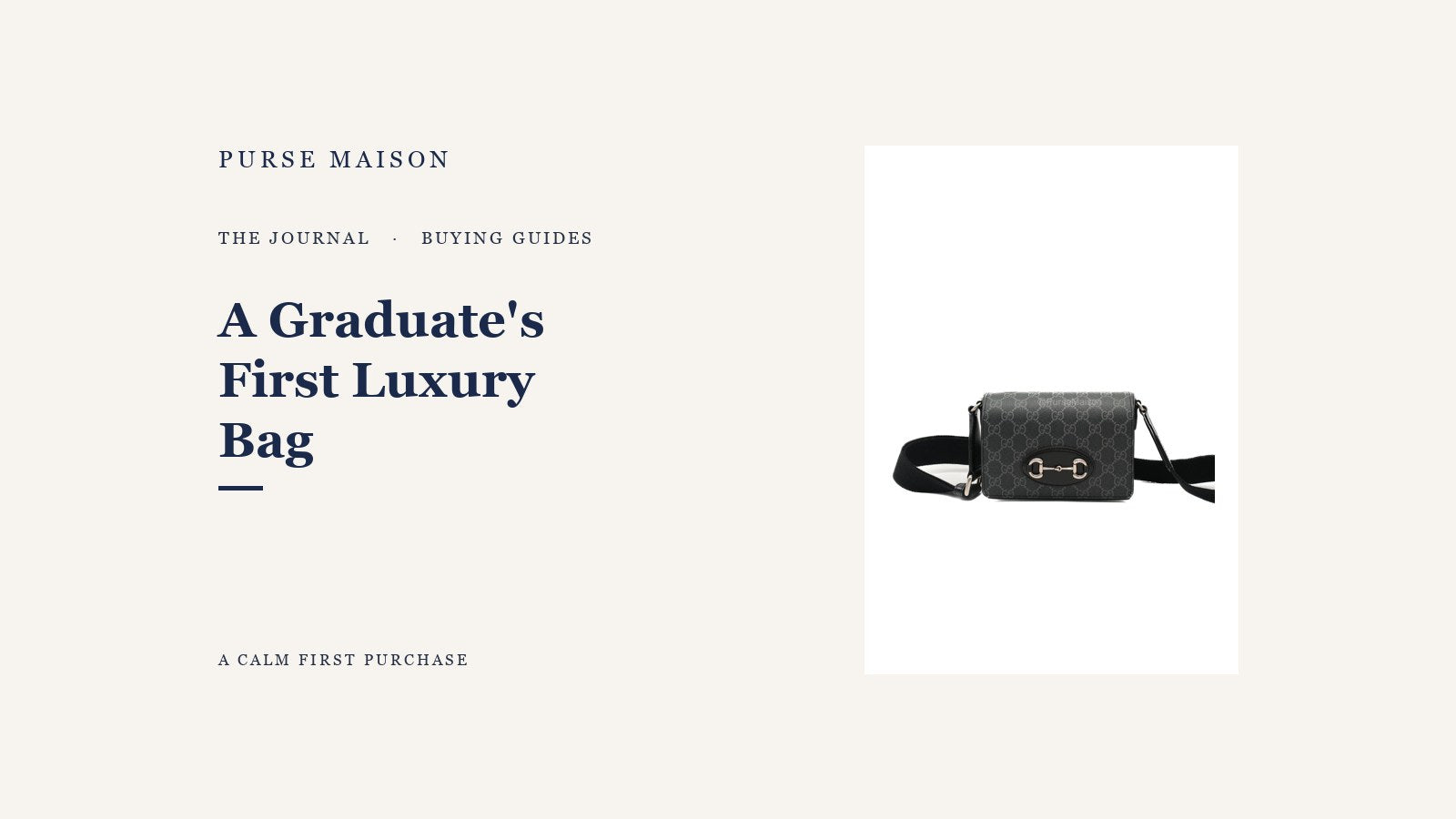
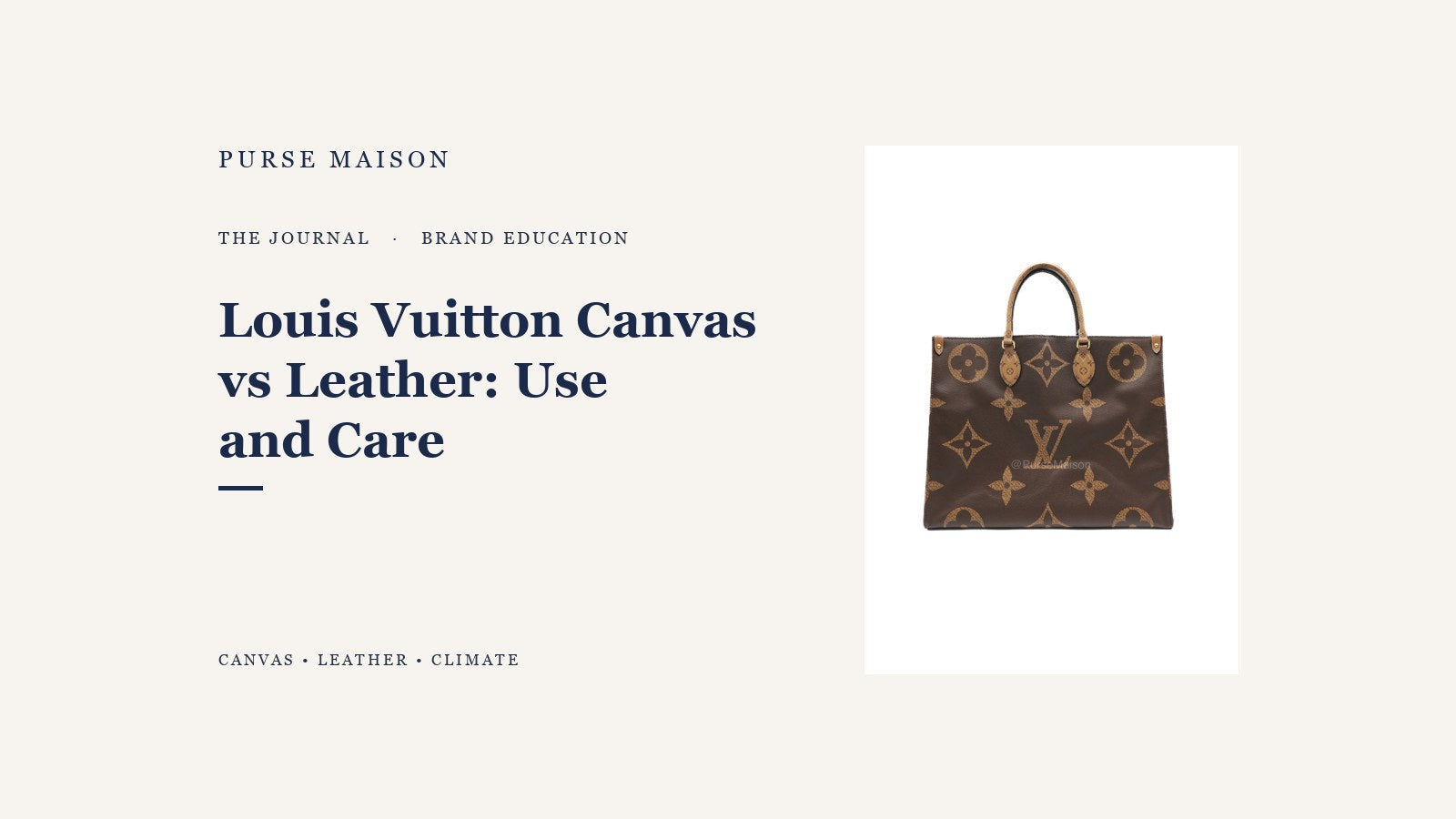
Current listings can illustrate the range of objects families may document. A classic flap, a structured heritage style, and a larger tote each invite different notes about use, storage, and condition. The images in this article are current live examples, not claims that any one model is guaranteed to become an heirloom. Availability and condition change, and the next owner should review the live listing rather than rely on an old screenshot alone.
When writing personal notes, be specific without becoming possessive. “This was the bag I carried when we moved to Manila” gives the next owner a connection. “This bag must never be used” may unintentionally turn a gift into a burden. A good handoff leaves room for the object to acquire a new chapter.
For material care that protects that next chapter, keep our guide to what not to use on luxury leather with the packet. It is a practical reminder that restraint is often safer than a household remedy.
The Purse Maison Verdict
To pass down a luxury bag well, pass down four things together: the story, the documents, the condition record, and the care plan. Copy product and paperwork language exactly, date every observation, photograph the bag before the handoff, and name the gaps instead of filling them with folklore. Then have a real conversation with the next owner about whether they want to preserve, carry, or reinterpret the piece.
The heirloom is not the promise that a bag will rise in value or remain unchanged. It is the continuity of attention. A family that can explain what the bag is, where it came from, what happened to it, and why it matters has created a stronger inheritance of meaning than a box with no context.
When a current piece is being considered for a future handoff, explore the preloved luxury bag selection at Purse Maison and keep the live listing, condition notes, and purchase record together from the beginning.
FAQ: documenting and passing down luxury bags
What documents should stay with a luxury bag?
Keep whatever genuinely exists: receipts or invoices, listing details, authentication reports, service records, photographs, accessory notes, and a dated ownership log. Record missing items honestly. A complete-looking file is less useful than an accurate one.
Does a receipt, stamp, date code, or microchip prove authenticity?
No. These may be supporting pieces of a provenance record, but no single feature independently proves authenticity. Details vary by model and period, and counterfeit techniques change. A high-value question deserves qualified professional review rather than a DIY guarantee.
How often should an heirloom bag be inspected?
Choose a rhythm that fits the storage environment and the bag’s material, then record the date of each check. In a humid climate, periodic observation is more useful than leaving a bag untouched for years. Look for odour, moisture, surface change, shape distortion, and new wear.
Can I store the bag in plastic to protect it?
Do not treat sealed plastic as a default. If moisture is trapped, the enclosure can make the storage problem harder to see. Use a clean, shaded, ventilated arrangement appropriate to the material, keep the bag supported without compression, and ask a specialist when the condition is uncertain.
Is a family provenance file a legal inheritance document?
No. It is a practical record of memories, documents, condition, and care. It does not replace legal, tax, estate, inheritance, or insurance advice. If those questions affect a transfer, consult a qualified professional in the relevant jurisdiction and keep that advice separate from the editorial record.
Purse Maison is an independent luxury reseller and is not affiliated with or endorsed by the brands discussed unless expressly stated.
Sources: Purse Maison live inventory records and general brand-care guidance, checked 30 July 2026.

Leave a comment
This site is protected by hCaptcha and the hCaptcha Privacy Policy and Terms of Service apply.