
Purse Maison's Approach to Trust Before Transaction
Reviewed by Miss Jay-Ann · Purse Maison Editorial Team · Updated July 18, 2026 A useful companion is the advisor question checklist, which puts the client’s use case before the inventory. For owners considering a selling route, the same standard continues in this consignment guide.
Trust in a luxury purchase is built before the payment page. It begins when a buyer can ask a direct question and receive an answer that is specific, current and proportionate to the evidence available. It continues when a listing makes condition and inclusions clear, when availability is checked rather than assumed, and when the buyer is allowed to pause without being made to feel difficult.
This is Purse Maison's approach to trust before transaction: make the decision easier to inspect. It is not a promise that every buyer will choose the same bag, nor a claim that any reseller can remove every risk. It is a practical framework for a Filipino buyer considering a unique luxury item, where an accurate detail today matters more than a polished but vague assurance.
Quick verdict: clarity is the first service
A trustworthy buying conversation should help you answer five questions: What exactly is available? What evidence describes it? What condition and inclusions are recorded? What still needs confirmation? What is the next step, if any? When these answers are visible, you can make a decision at your own pace.
Purse Maison's approved sales guidance is direct about the basics: verify live availability, price, condition and inclusions before promising anything; do not pressure or hide a known condition issue; and give a genuine client a polite response even when the sale does not happen. Those are operating standards, not marketing adjectives.

The trust sequence before payment
1. Clear communication
Clear communication is not the same as sending a long message. It means answering the question that was actually asked, naming what is known, and separating a confirmed detail from something that needs a closer check. If a buyer asks whether an item is available, the responsible answer begins with a live inventory check. If the question is about inclusions, the answer should refer to the individual listing or inspection evidence.
For a first-time buyer, clarity also means explaining terms without assuming prior knowledge. “Pre-loved,” “microchip,” “hardware,” “condition grade” and “inclusions” can mean different things in different conversations. A buyer should be able to ask for a plain-language explanation without being treated as an inconvenience.
2. Evidence matched to the claim
Every claim needs the right level of support. A product page can support the exact title, handle, visible description and current route. An inspection image can help a buyer understand a visible condition point. A professional assessment may be appropriate for authentication questions. A general brand statement cannot, by itself, prove the condition or authenticity of one individual bag.
The safest language is precise: “the listing states,” “the current photos show,” “please confirm,” or “this needs professional review.” No single feature independently proves authenticity. Counterfeit techniques change, details vary by model and production period, and professional authentication is recommended for high-value purchases.
3. Condition transparency
Condition is part of the identity of a pre-loved piece. It should not be softened into a generic phrase if there is a material point a buyer needs to know. Scratches, corner wear, interior marks, odour, hardware changes, strap condition and missing accessories can affect how a bag fits a buyer's priorities.
Transparency does not mean presenting every sign of use as a defect. It means giving the buyer enough context to decide whether the condition is acceptable for the intended use. Someone who wants a daily work bag may prioritise durability and function. Someone buying a special-occasion piece may focus more on visual presentation and completeness. The same observation can matter differently to each person.

4. Appropriate questions
Good questions are not a sign of distrust. They are how a buyer turns a beautiful object into an informed decision. Ask for the exact model and size, material and hardware, condition notes, included accessories, measurement, strap details, current availability and any relevant care consideration. If a point is important to your decision, ask for it directly.
A seller should also ask appropriate questions of the buyer. Purse Maison's sales guidance lists practical prompts: what are you looking for, is it for personal use or a gift, which brand, size, colour, material or hardware do you prefer, what budget range is comfortable, and are you buying now or still exploring? These questions are meant to improve fit, not to force a close.
5. No pressure
No pressure does not mean no guidance. A helpful advisor can explain trade-offs, suggest one to three verified-fit options or document a wishlist, and tell you what needs confirmation. The buyer remains free to compare, wait, or say that the piece is not right.
Artificial urgency is especially unhelpful with unique inventory. Availability can change, but a changing inventory status is not a reason to invent a deadline or imply that a buyer must skip their questions. If an item is unavailable, approved guidance calls for a useful alternative or a documented wishlist rather than a misleading promise.
The Purse Maison buyer checklist
Before payment, save the product page and run through this short checklist. It is designed to make a conversation concrete without turning the purchase into a forensic exercise.
- Identity: Do the exact title, model, size, colour, material and hardware match what you want?
- Availability: Has the team confirmed that this exact item is live and available now?
- Condition: Have the relevant exterior, interior, corners, hardware, strap and odour notes been explained?
- Inclusions: Are the box, dust bag, strap, cards or other accessories listed clearly, and are you comfortable with what is present?
- Evidence: Which points are supported by the listing, photographs, direct inspection or a professional review?
- Use: Will the size, opening, weight and material suit your commute, climate and intended occasions?
- Next step: If you need time, can you leave with a clear answer about what will be checked and who will follow up?
That final question matters. A trust-building conversation has an owner. Purse Maison's sales standards require one named owner per active inquiry, so the client should not have to repeat the same context to several people.
Current examples: why live inventory matters
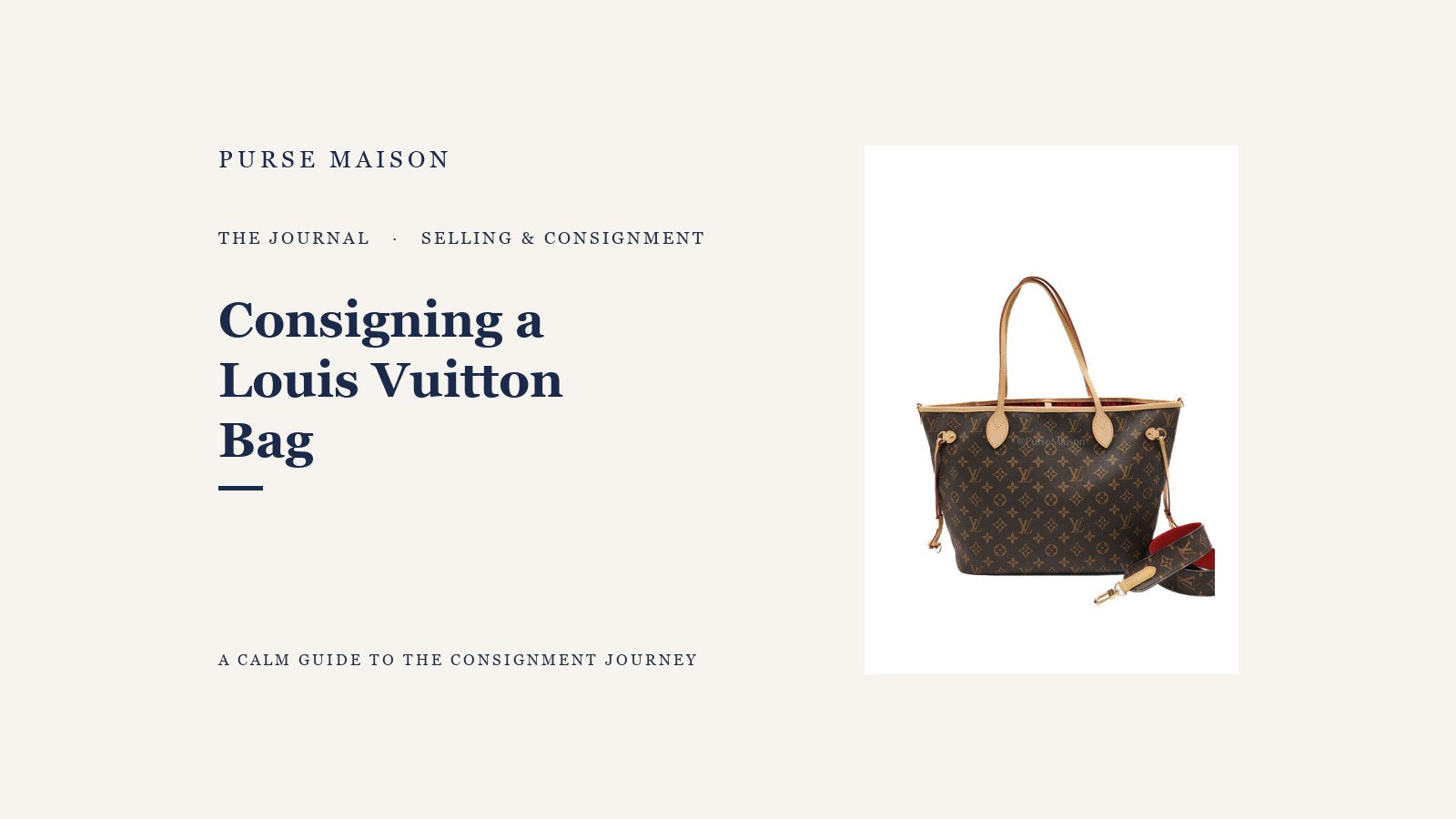
Live inventory turns general education into a specific conversation. At the time checked, the current catalogue included a Louis Vuitton Neverfull Bandouliere Inside Out MM, a Louis Vuitton Bubblegram Wallet on Strap, and a Louis Vuitton OnTheGo Tote Bag MM. The point is not to rank them or imply that one is right for every buyer. It is to show how a real title and real listing give the conversation something verifiable to work from.
Use the live product page for the exact price, condition, inclusions and availability. Do not rely on a saved screenshot or a remembered message when the item is unique. A broader luxury bags collection can be a useful route when the first item sells, while brand collections such as Louis Vuitton pieces help the buyer continue exploring without restarting the conversation.

Showroom and clienteling context
Some decisions become easier when the client can inspect an item in person. The internal showroom guidance describes a calm, private viewing experience with a named host, a controlled selection and clear attention to condition, inclusions and handling. It also says the client should leave with a recap of the next action, whether that is a question to answer, a follow-up, a payment step or simply no further action.
The same guidance treats a private or VIP appointment as more preparation, privacy, relevance and continuity, not as permission to bypass custody, payment, authenticity or visitor controls. That distinction is central to trust. Personal attention should reduce friction without reducing standards.
Clienteling supports the relationship around the transaction. The Maison Dashboard documentation describes a capture, tag, match, follow-up and learn workflow: preferences, budget, wishlist and permissioned follow-up help a salesperson remember context. A buyer who is still exploring can be treated as a genuine client, not as a failed sale. If a first choice is unavailable, a useful alternative or a permissioned wishlist may be more respectful than repeated generic messages.
Questions that protect the buyer and the seller
Ask about the intended use, not only the brand. A bag for an office commute has different priorities from one for formal dinners. Ask what you will carry, how often you move outdoors, whether rain protection matters and how you prefer to carry the bag. Ask which condition points would change your mind. These answers make recommendations more honest.
Ask about the transaction itself as well. What is the current price? Which payment channel is approved? When is payment independently verified? What evidence will accompany handover? The showroom guidance is explicit that release should not be based on a screenshot, SMS or verbal confirmation. That protects both sides and keeps the handover aligned with a verified order.
Care and climate as trust details
Trust continues after the sale because practical ownership was part of the original fit. In the Philippines, heat, humidity, rain and abrupt changes between outdoor and air-conditioned spaces should be part of the conversation. Avoid promising that a material is worry-free. Ask for material-specific guidance, keep the bag away from prolonged direct sun, and allow damp items to dry naturally away from heat.
A careful advisor should say when a care question requires specialist input. A seller who admits the boundary of the available evidence is more useful than one who supplies a confident but generic cleaning recipe. The same principle applies to authentication, resale expectations and brand policy: qualify what can change, distinguish an asking price from completed-sale evidence, and remember that luxury goods are not guaranteed investments.
Two older Journal guides worth continuing with
For the practical difference between condition history and a buyer's intended use, read Brand-New vs. Pre-Loved: How to Decide. For storage and ownership habits after purchase, continue with How to Prepare a Bag for Long-Term Storage. Both are educational companions, not substitutes for the current listing or a professional review.
The Purse Maison Verdict
Trust before transaction is not one assurance added at the end of a sales message. It is a sequence: clear communication, evidence matched to the claim, condition transparency, appropriate questions and no pressure. Together they give the buyer room to decide while giving the seller a disciplined way to serve.
Our recommended next step is simple: choose the current piece that fits your use, open the exact listing, write down the questions that matter, and ask for direct answers before payment. If you prefer to inspect in person, request a showroom conversation; if you are still exploring, say so. The right outcome may be a purchase, a wishlist or a polite “not yet.” Each can be a trustworthy outcome.
Purse Maison is an independent luxury reseller and is not affiliated with or endorsed by Chanel, Hermès, Louis Vuitton or any other brand discussed unless expressly stated. For high-value purchases, professional authentication is recommended, and no single feature independently proves authenticity.
FAQ: trust before transaction
What should a luxury seller confirm before I pay?
Confirm the exact item's title, model, size, material, hardware, live availability, current price, condition notes, inclusions and relevant measurements. Ask which details come from the listing, photographs, inspection or professional review.
Is it reasonable to ask for more condition photographs?
Yes. Appropriate questions help you decide whether the item suits your use. Ask for the specific area that matters, such as corners, interior, hardware, strap or closure. The answer should describe what is known rather than promise a condition that has not been checked.
How can I tell if advice is becoming pressure?
Pressure appears when questions are discouraged, urgency is invented, known limitations are hidden or alternatives are withheld. Helpful guidance can still be decisive, but it lets you compare, pause or continue with a wishlist without embarrassment.
What is the role of a showroom appointment?
A showroom appointment can let you inspect a relevant selection with a named host and discuss condition, inclusions, handling and next steps. It should not bypass payment verification, custody, visitor controls or appropriate authentication review.
Does a receipt or one detail prove authenticity?
No. A receipt, stamp, microchip, logo or any other single feature does not independently prove authenticity. Details vary, counterfeit techniques change, and professional authentication is recommended for high-value purchases.
Sources: Purse Maison Sales SOP, Showroom Security and VIP Appointment SOP, Clienteling App documentation, current Purse Maison Shopify listings checked July 18, 2026, and the editorial limitations stated above.

Leave a comment
This site is protected by hCaptcha and the hCaptcha Privacy Policy and Terms of Service apply.