
The Future of AI, Authentication, and Luxury Resale
Reviewed by Miss Jay-Ann · Purse Maison Editorial Team · Updated July 19, 2026
AI is already part of the luxury-resale conversation, but it should not be confused with a final authenticity decision. For a buyer in the Philippines, the useful question is not whether a machine can declare a bag genuine from a photograph. It is where software can reduce friction, where a trained human must still exercise judgment, and how a careful purchase can preserve privacy and a clear record of what was reviewed.
The answer in brief
AI can assist with image comparison, pattern recognition, and triage. It can help a professional focus attention on details that deserve closer inspection. It cannot, by itself, make every authenticity question simple or reliably detect every counterfeit. A responsible buying process combines the listing, the physical object, provenance where available, condition notes, and professional authentication. No single feature independently proves authenticity.
That boundary matters because convincing counterfeits can copy visible codes, logos, stitching patterns, and packaging. A neat-looking result from an app is not a substitute for examining the bag in context. The strongest future for resale is therefore not human versus machine. It is a transparent division of labour, with technology assisting and accountable experts making, explaining, and standing behind the decision.
What AI can do well
In authentication workflows, machine learning is most useful as an assistant. A controlled imaging system may compare a close-up with reference material, flag unusual texture, or identify a region that merits a second look. Pattern matching can support checks around quilting, lettering, hardware placement, and material surfaces. In a busy resale operation, that kind of triage may make review more consistent and help a specialist avoid overlooking a small detail.

Live inventory example: a Chanel grand shopping tote presents a useful case for discussing surface, construction, hardware, and condition together.
AI can also help organise information. A team might use software to place submitted images beside the relevant model references, record which areas were photographed, or route an item to a specialist with the right brand experience. Those benefits are operational. They improve the path to a human review rather than replacing it.
What a machine cannot know from one image
A photograph does not reliably communicate every tactile and contextual fact. Lighting can change colour and texture. Camera processing can soften edges. A seller may omit an interior, hardware, stamp, or repair area. A model may have legitimate variations across years and production locations. Even a complete set of images cannot answer every question about sourcing, handling, or history.
That is why a confident-looking percentage should be treated carefully. Accuracy claims depend on the dataset, the product categories, the image quality, and the decision being measured. They do not turn a general-purpose chatbot, reverse-image search, or marketplace badge into an authentication professional. If an AI tool produces a result, ask what was actually examined and who is accountable for the conclusion.
Where professional judgment remains essential
Human review brings a layered reading of the object. An experienced authenticator can compare construction, materials, hardware, markings, proportions, wear, and the way those details relate to one another. They can ask for a missing photograph, recognise when a result is inconclusive, and explain which limitations remain. They can also distinguish an authenticity question from a condition question. A real bag can have undisclosed wear; a complete set of inclusions can still be irrelevant to authenticity.

Live inventory example: a Chanel Boy medium highlights why leather, hardware finish, construction, and wear should be read as a set rather than as isolated signals.
The professional also has a duty to say “not enough information” when that is the honest answer. That is not a failure of technology or expertise. It is a safeguard. For a meaningful purchase, the recommendation should identify the scope of the review, the evidence considered, and any reason the buyer should pause or seek another opinion.
Trust is a process, not a graphic
Trust in resale grows through evidence that a buyer can understand. Read the listing carefully. Confirm that the product route, images, condition description, and stated inclusions match the item being offered. Ask focused questions when a detail is unclear. If you are buying remotely, request the specific views needed for the decision rather than collecting more generic photographs.
At Purse Maison, the published FAQ describes a combination of in-house review and third-party verification options. This article does not disclose internal procedures, and a listing or technology reference should never be read as a promise that one indicator settles authenticity. An independent reseller is not affiliated with the luxury houses whose products it sells. Buyers should rely on the written listing and current policies for the transaction in front of them.
Privacy deserves equal weight
Authentication images can contain more than the bag. They may show receipts, addresses, order references, names, messages, faces, or reflections. Before uploading anything to an AI service, remove unrelated personal data and understand how the provider stores, processes, and retains submissions. Do not share identity documents or private conversations merely because an app requests them. A useful review can usually begin with tightly framed photographs of the relevant product areas.
For a reseller, privacy also means limiting access, retaining only what is necessary, and documenting consent where another person’s information appears. Buyers can ask whether images are used for training, whether they are deleted, and whether a human sees the submission. A tool that is technically impressive but opaque about data handling may not be appropriate for a high-value purchase.
A practical buyer journey
1. Start with the object and the seller
Save the listing URL and note its title, condition, inclusions, and photographs. Check whether the seller is identifiable, reachable, and clear about its role as an independent reseller. Avoid rushed transfers prompted by a countdown, a vague “AI certified” badge, or pressure to skip questions.
2. Use AI only for orientation
If you use a visual tool, treat the output as a prompt for questions. Ask which image areas were analysed, whether the model and production period were supported, and what the tool cannot assess. Never convert a screening result into a guarantee, and never assume that a low-confidence result proves a counterfeit without professional review.

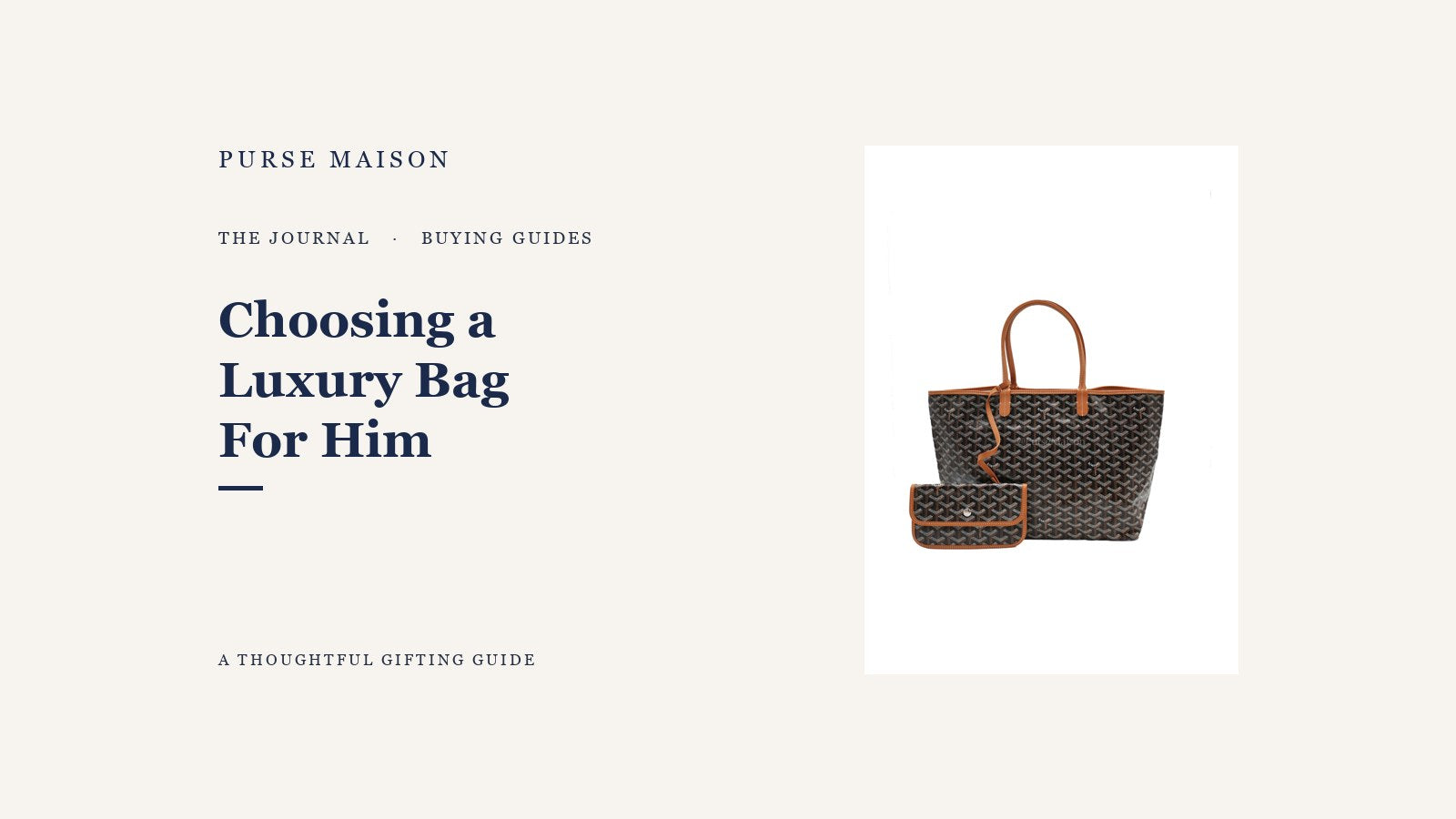
Live inventory example: the Goyard Saint Louis PM shows why material, print alignment, trim, and the listing’s condition disclosure belong in one conversation.
3. Escalate to professional authentication
For a high-value or uncertain purchase, obtain professional authentication from a qualified service or specialist. Provide complete, unedited images and the available context. Ask for a written result that makes the scope and limitations clear. If the reviewer cannot reach a conclusion, preserve that uncertainty instead of seeking a more convenient answer.
4. Keep a proportionate record
Retain the listing, correspondence, payment record, and authentication result in a secure place. Redact unrelated personal details before forwarding them. This record helps with future care, resale, insurance discussions, or a question about what was represented at the time of purchase.
Applying the boundary in Philippine resale
Philippine buyers often balance remote shopping with the option of a BGC showroom visit. In-person viewing can help you assess colour under ordinary light, handle straps and closures, and compare the object with its listing. It does not remove the need for professional review, but it improves the quality of the questions you ask. For Metro Manila delivery, plan your inspection promptly after receipt and keep the security tag and packaging in place while you verify the item against the listing and current return terms.
Climate is another practical consideration. Humidity and heat can affect leather, lining, adhesives, and stored packaging over time. Keep the bag in a breathable dust bag, away from direct sun and damp rooms, and use clean dry hands. These care steps protect condition. They do not authenticate a bag, and they should not be presented as evidence that an item is genuine.
For a broader buying framework, see how to decide between brand-new and pre-loved and review what to prepare before consigning a bag. Both are useful reminders that transparent condition information and a documented seller relationship matter alongside authentication.
Currently at Purse Maison
Explore the Chanel grand shopping tote in black caviar leather, the Chanel Boy medium, and the Goyard Saint Louis PM in tan. Browse the Luxury Bags collection for current availability, then contact the team for listing-specific questions or an appointment.
The Purse Maison Verdict
AI has a useful place in luxury resale when it makes review more organised, repeatable, and transparent. It should not be marketed as a magic eye, and no AI output independently proves authenticity. The trustworthy path keeps a human professional responsible for the decision, respects the buyer’s privacy, and states what the evidence cannot establish. Choose a seller who welcomes careful questions, preserves a clear record, and recommends professional authentication when the stakes justify it.
FAQ: AI, authentication, and resale
Can AI authenticate my luxury bag on its own?
No. AI can assist with screening or image comparison, but it cannot reliably settle every authenticity question. Use it as an orientation tool and seek professional authentication for a consequential purchase.
Does a serial number, microchip, or date code prove authenticity?
No. These identifiers can be useful within a broader review, but a single code or chip is not independent proof. Counterfeits may copy visible information, and newer systems may not be publicly readable.
What should I ask an AI authentication service?
Ask what the tool examined, which models and periods it supports, who reviews an inconclusive result, how the result is documented, and how submitted images are stored or deleted.
Should I upload a receipt with my bag photos?
Only when necessary and after removing unrelated personal information. Receipts and screenshots can expose names, addresses, order numbers, and payment details. A tightly framed product review usually needs less data.
Does professional authentication guarantee future resale?
No. Authentication addresses the reviewer’s conclusion within a stated scope. Future resale depends on condition, documentation, demand, listing accuracy, and the policies of the next buyer or platform.
Independent-reseller disclaimer: Purse Maison is an independent reseller and is not affiliated with the luxury brands mentioned in this article. Product availability, listing details, and policies can change; confirm the current product page before purchasing.
Sources: Purse Maison FAQ Knowledge Base, Section 1 authentication FAQ and Section 3 general authentication, care, and buying-guide FAQs; current Purse Maison product listings and collection index.

Leave a comment
This site is protected by hCaptcha and the hCaptcha Privacy Policy and Terms of Service apply.