
What Makes One Luxury Bag More Expensive Than Another?
By the Purse Maison Editorial Team — reviewed by Miss Jay-Ann. Last reviewed: July 12, 2026.
In July 2025, the original Hermès Birkin, the very prototype made for Jane Birkin in 1984, sold at Sotheby’s Paris for €8.58 million (about US$10.1 million), making it the most expensive handbag ever sold at auction.
That is one extreme. At the other end, you can walk into our BGC showroom and take home an authenticated Louis Vuitton Speedy for less than many smartphones. Between those two points sits every luxury bag in the world, and the question every thoughtful buyer eventually asks: why does one bag cost twenty times more than another, when both are “designer”?
The answer is not marketing magic. Luxury bag prices follow a logic, and once you understand its six forces, you can read any price tag (or any listing) with much sharper judgment.
Key Takeaways
- Price is built from six stacking forces: brand power, scarcity, materials, craftsmanship, model demand, and (in the preloved market) condition and completeness.
- The same house can span a tenfold price range. Two bags from the same brand, even the same model, can be priced very differently for concrete reasons.
- “Expensive” and “hard to resell” are not the same thing. Some of the priciest bags are also the most liquid; some affordable ones sell slowly.
- A price is only meaningful when you know what type it is: retail, asking, auction, or an actual transaction.
- No price logic makes a bag a guaranteed investment. Buy the bag, not a promise.
Force 1: Brand Power and Deliberate Scarcity
The single biggest driver of luxury pricing is not leather. It is trust and desire accumulated over decades, protected by control over supply.
Hermès is the clearest example. The house trains its own artisans, recruiting more than 200 craftspeople a year for its leather division through its in-house leather school, and production of its most desired bags has never chased demand. For years, stories of waiting lists defined the Birkin; Hermès said in 2010 that the formal waitlist no longer existed, yet demand still comfortably exceeds supply, and some observers argue the scarcity is deliberate. Whatever the intent, the effect is the same: when fewer bags exist than people who want them, price rises and holds.
This is why a Birkin or Kelly commands what it does, and why the gap between brands is not about quality alone. Many houses make beautiful bags. Very few make bags you cannot simply walk in and buy.
Force 2: Materials, from Coated Canvas to Exotics
Within any brand, material sets the price floor.
- Coated canvas (Louis Vuitton’s Monogram and Damier, Goyard’s Goyardine) is durable and comparatively economical to produce, which is why canvas lines are usually a house’s most accessible bags.
- Calfskin leathers cost more, and their finishing matters: Chanel’s pebbled caviar and smooth lambskin, or Hermès’ Togo, Clemence, and Epsom, each carry different costs, durability profiles, and followings.
- Exotics (crocodile, alligator, ostrich, lizard) sit at the top. Skins are scarcer, harder to work, and more heavily regulated; saltwater crocodile with small, even scales ranks among the most expensive materials a bag can be made from.
- Hardware adds its own layer: plated brass versus palladium, and at the extreme, precious-metal or diamond-set hardware that turns a bag into jewelry.
A practical illustration from our own floor: a Louis Vuitton Speedy 30 in Damier Ebene canvas costs a fraction of a Louis Vuitton OnTheGo PM in Empreinte leather, same house, similar practicality. The difference is mostly material.
Force 3: Craftsmanship and Construction
How a bag is made moves the price as much as what it is made from.
A Birkin is reported to take a single Hermès artisan a minimum of about 18 hours of largely handwork, and each bag carries the mark of the artisan who completed it. Hand-stitching, edge-painting, and precise hardware setting take time that machine assembly does not, and that time is priced in.
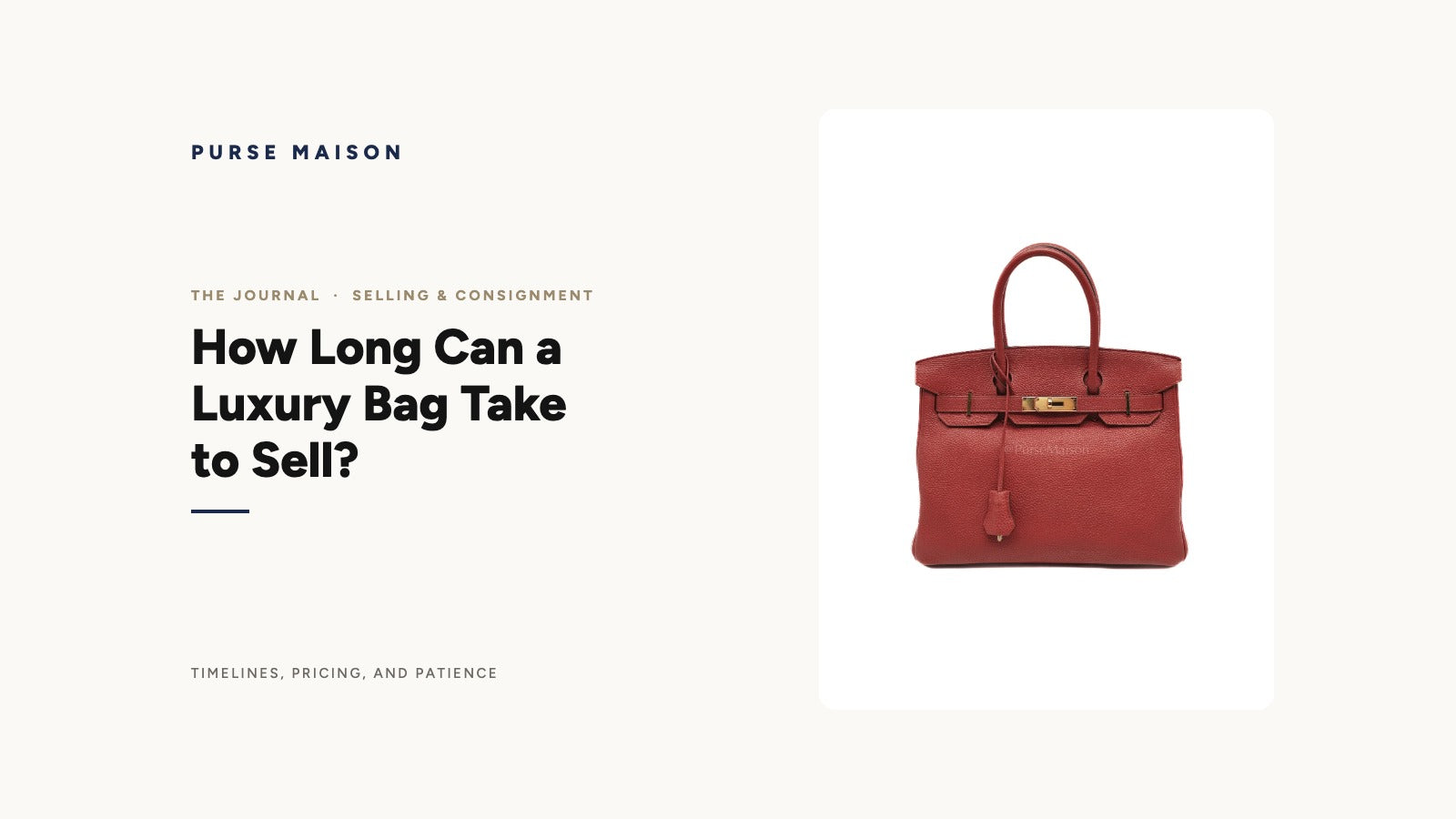
Construction style matters too. Take two bags currently in our showroom: a Birkin 30 Sellier in Etoupe Epsom and a Birkin 30 in Red Togo. Same model, same size, both authenticated, yet they sit far apart in price (both are on their listings). The Sellier’s structured, exterior-stitched construction is rarer and more demanding to execute, the Epsom leather and production year differ, and the market rewards each of those facts. Two “Birkin 30s” are not the same bag.

Force 4: The Icon Premium
Some models carry a premium simply because the whole world agrees on them.
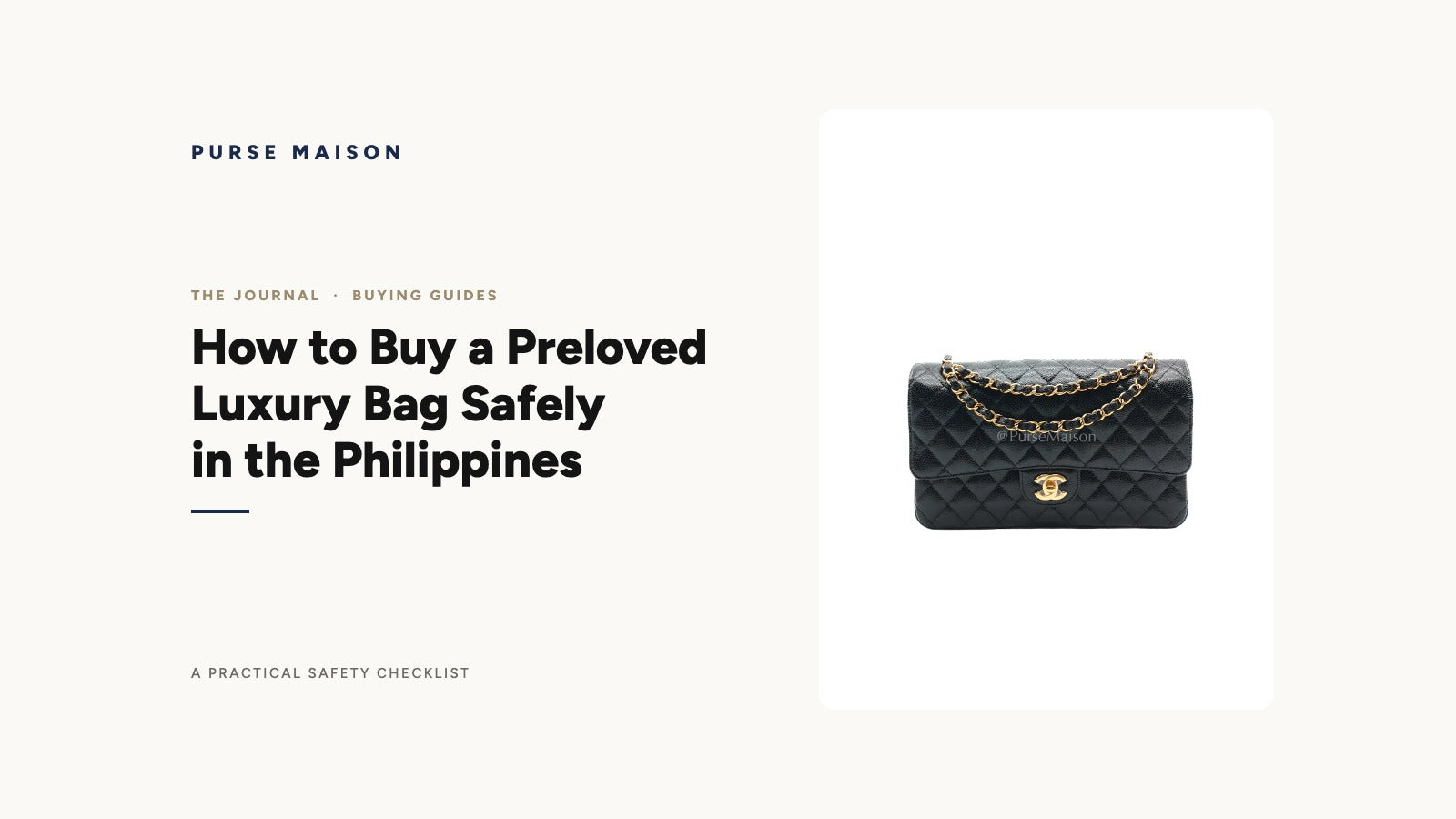
The Chanel Classic Flap, the Birkin, the Kelly, the Lady Dior: these are icons, and icon status does two things at once. It supports higher retail prices (the retail price of Chanel’s medium Classic Flap has risen sharply through repeated increases since 2019, a pattern widely tracked across the industry), and it supports resale, because a bag everyone recognizes is a bag someone is always searching for.
This is also why a house’s entry pieces and its icons live in different price worlds. An Hermès Herbag Zip, with its canvas body and swappable leather structure, is a genuine Hermès at a fraction of Birkin money. You are buying the same house and craft tradition, without the icon scarcity premium.
Force 5: In the Preloved Market, Condition and Completeness Reprice Everything
Everything above sets a bag’s baseline. In the preloved market, three more factors adjust it, sometimes dramatically:
- Condition. Corner wear, hardware scratches, interior marks, and odor all discount a bag; pristine, lightly-used pieces command a premium. This is why honest condition grading matters so much, and why we photograph flaws instead of hiding them.
- Completeness. Box, dust bag, receipt, and cards (“full set”) lift a bag’s value against the same bag alone, partly for resale confidence and partly for collector satisfaction.
- Year and stamp. Production period can matter, whether for construction details, discontinued colors, or simple age.
The result: two identical models, released the same year, can legitimately sit 20 to 30 percent apart on the preloved market. If you have not read it yet, our guide on how to buy a preloved luxury bag safely in the Philippines explains how condition disclosure should work before you pay.
Force 6: Know What Kind of Price You Are Looking At
The most common mistake value-aware buyers make is comparing numbers that are not the same kind of number:
- Official retail is what the brand charges new (as one dated anchor: a Birkin 25 started at about US$11,400 retail in 2020).
- Asking price is what a seller hopes to get. It is not evidence of value until someone pays it.
- Auction results are real transactions, but often for exceptional pieces in exceptional moments; the €8.58 million prototype tells you about provenance and history, not about the market for a standard Birkin.
- Transacted prices, what comparable bags actually sold for, are the truest signal, and also the hardest to see from outside.
When a listing says a bag is “worth” something, ask which of these four numbers is being quoted. The answer usually explains the price instantly.
How to Use This When You Are Comparing Bags
For a first-time buyer, this framework turns confusion into a checklist. When two bags differ in price, ask: different brand tier? Different material? Different construction or year? Icon model or supporting cast? Different condition or inclusions? Different kind of price? Nearly every gap you will ever see resolves into one of those six answers, and a seller who cannot explain a price in those terms is guessing.
It also frees you from a trap: assuming the more expensive bag is always the better purchase. A canvas Speedy used daily for a decade can be better money spent than an exotic piece too precious to carry. Price explains the market. Only you can decide what the bag is worth to your life.
The Purse Maison Verdict
Luxury bag prices are not arbitrary. They stack six forces: brand power protected by scarcity, materials, hours of craftsmanship, icon demand, condition, and the type of price being quoted. Understand those six and you can walk into any showroom (including ours) and read the shelf like a professional.
One caution belongs in every honest article on this topic: luxury bags should not be treated as guaranteed financial investments. Resale outcomes depend on model, condition, timing, transaction costs, buyer demand, authenticity, and market conditions. Some bags have performed remarkably; nothing obliges the next one to.
Frequently Asked Questions
Why are Hermès bags so much more expensive than other luxury brands? Because Hermès combines every force at once: decades of brand equity, deliberately limited production of hand-made bags by artisans it trains itself, premium materials, and icon models with global demand. Scarcity is the multiplier the other houses rarely match.
Is a more expensive bag always a better investment? No. Price and resale performance are related but not identical, and no bag is a guaranteed investment. Icons in excellent condition tend to hold demand best, but outcomes vary by model, condition, timing, and fees.
Why do two identical preloved bags have different prices? Condition, completeness, and production year. A full-set, lightly-used piece legitimately commands more than the same model with wear and no inclusions. If the gap has no visible explanation, ask the seller to explain it; a good one can.
Are canvas bags “cheap” luxury? Not at all. Coated canvas is durable, practical, and carries the house’s full craft standards; it is simply less costly to produce than leather or exotics. For daily use, canvas lines are often the smartest first purchase.
Curious how these forces look in person? Compare an icon and an entry piece side by side at our BGC showroom, or explore our authenticated Hermès, Chanel, and Louis Vuitton collections. Ask a Purse Maison advisor anything: education first, always.
Purse Maison is an independent luxury reseller and is not affiliated with or endorsed by the brands discussed unless expressly stated. Prices referenced are as of the dates indicated and may change; live listings carry current prices. Luxury products should not be treated as guaranteed financial investments.
Sources
- Sotheby’s, World Record Hermès Birkin Sale — Jane Birkin’s Original Birkin (July 2025): sothebys.com · CNN, Jane Birkin’s original Hermès bag sells for $10 million (July 10, 2025): cnn.com — checked July 12, 2026
- Hermès, The Leather School (200+ craftspeople recruited yearly, in-house training): hermes.com — checked July 12, 2026
- Sotheby’s, What Influences an Hermès Birkin Bag Price (each Birkin hand-crafted by a single trained artisan, requiring a minimum of 18 hours; exotic crocodile and alligator Birkins commanding far higher prices than leather versions): sothebys.com — checked July 13, 2026
- Hermès 2010 statement that the formal Birkin waitlist no longer existed, and the 2020 Birkin 25 retail anchor (about US$11,400) — verified across multiple industry references, checked July 13, 2026
- Chanel Classic Flap price increases since 2019, tracked across industry publications: RetailBoss · Business of Preloved Fashion — checked July 12, 2026
- Purse Maison live listings (Birkin 30 Sellier Epsom, Birkin 30 Togo, Herbag Zip 39, Speedy 30, OnTheGo PM): pursemaison.com — verified in stock July 12, 2026

Leave a comment
This site is protected by hCaptcha and the hCaptcha Privacy Policy and Terms of Service apply.