
When to Sell a Bag You No Longer Reach For
Reviewed by Miss Jay-Ann
A luxury bag can be beautiful, authentic, and still be the wrong bag for your life now. The useful question is not simply, “Could this sell?” It is whether keeping it still earns its space, attention, and capital. A calm selling decision protects both your collection and your memories.
This guide offers a practical framework for deciding when to sell a bag you no longer reach for. It looks at use, condition, cash opportunity cost, emotional value, and consignment readiness. It does not promise a price, a quick sale, or a particular outcome. Those depend on the individual piece and the market when you act.
Start with the evidence: how your use has changed
Begin with behaviour rather than a dramatic closet clean-out. Look at the bag’s last several months of real use. Which occasions did it serve? Did you choose it for work, dinners, travel, errands, or only because you felt guilty leaving it untouched? A bag that is repeatedly passed over has given you meaningful information.
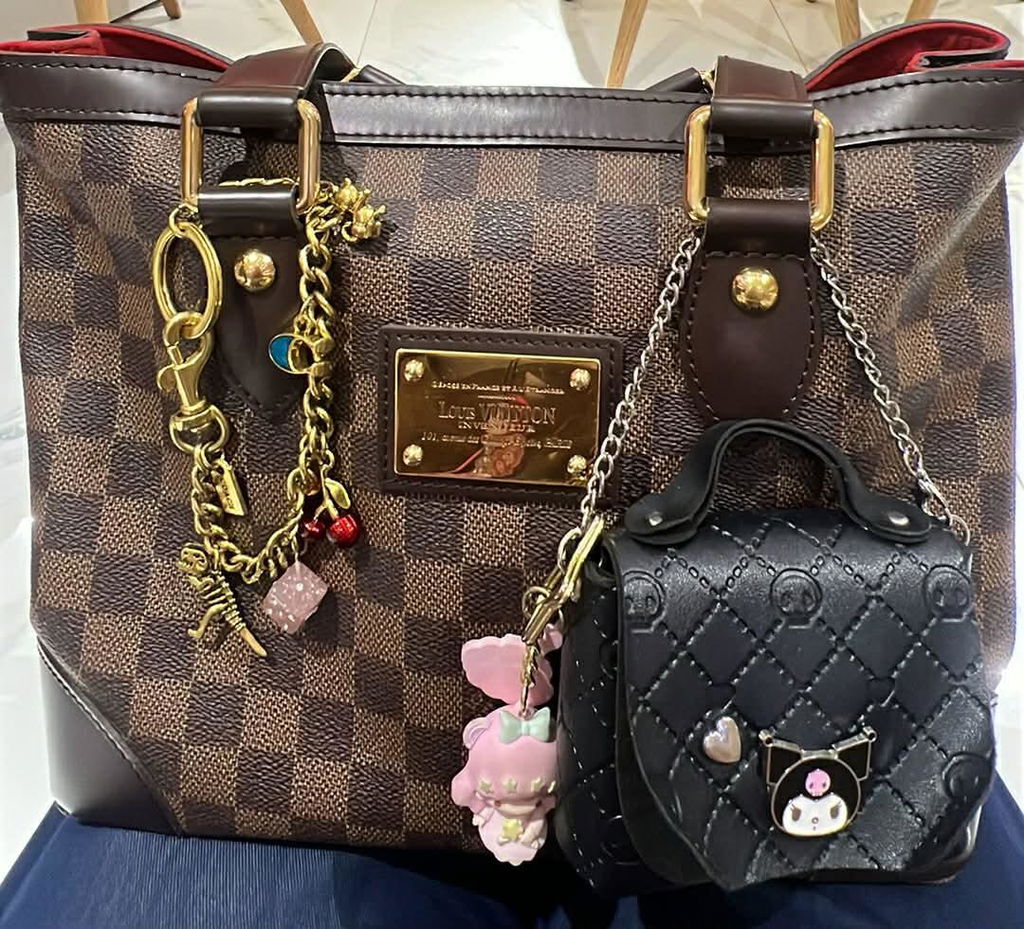
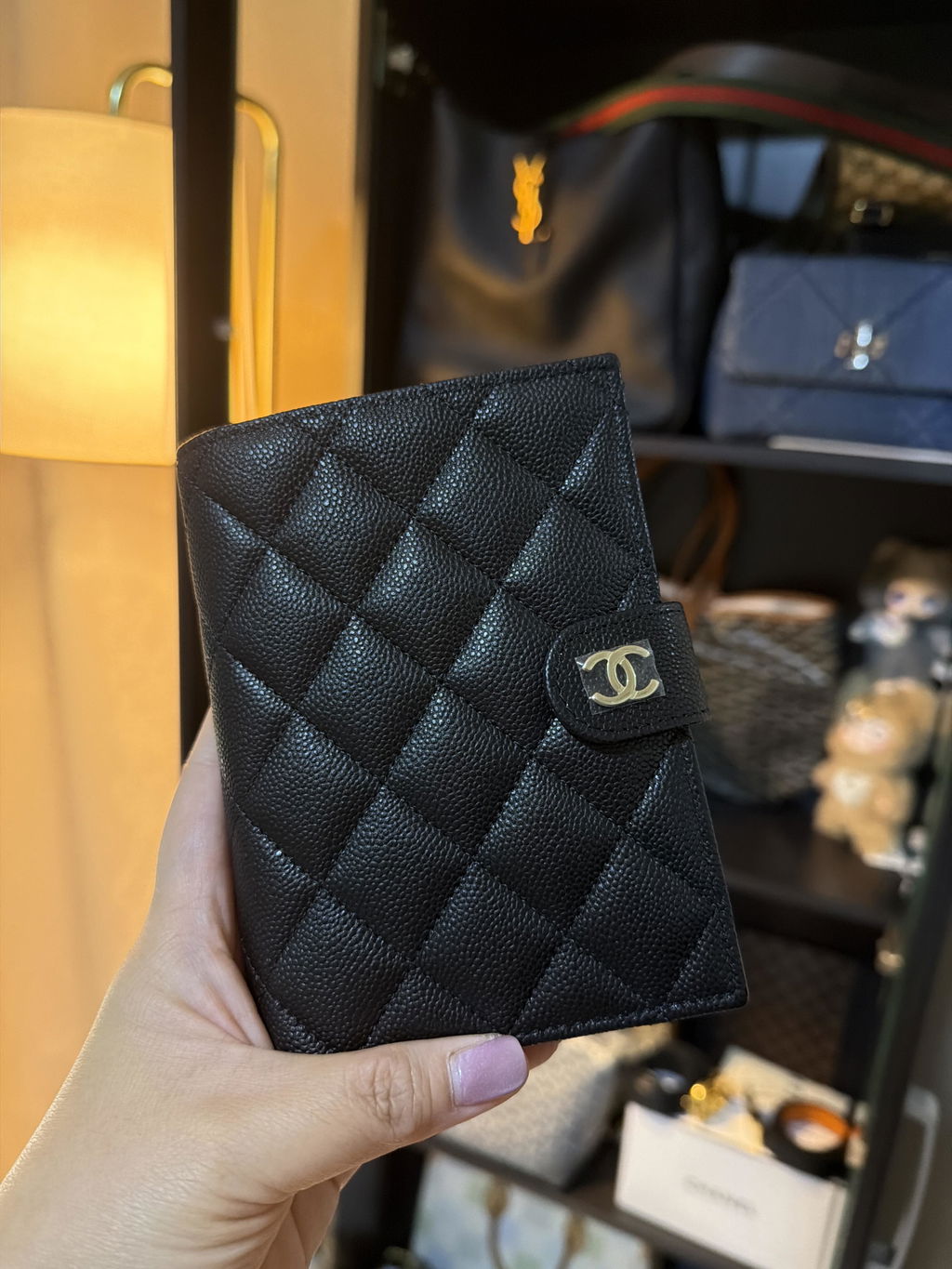
Use is not a popularity contest inside your wardrobe. A formal Chanel may be exactly right for a collector who attends evening events, but mismatched to someone whose daily life calls for a hands-free option. A Louis Vuitton tote may fit a commute beautifully, while a compact Gucci shoulder bag may better suit a lighter routine. The verdict should follow your life, not a general ranking of brands.
Write down the practical reason you avoid the piece. Is it too delicate for your commute? Does its opening feel inconvenient? Is the colour difficult with your clothes? Does it need two hands when your day rarely gives you two free hands? Specific friction is more useful than “I am bored of it.”

Condition changes the decision, not just the price
Condition is the second filter. Inspect the exterior, corners, handles, strap, lining, hardware, odour, and any included pieces. Record observations in plain language. “Light rubbing at the base corners” is more useful than “good condition” without context. Photograph the bag in natural light and include close-ups of wear that a future buyer would reasonably want to see.
Condition can also change whether selling now is sensible. A small, stable sign of wear may be straightforward to disclose. A sticky finish, strong storage odour, structural issue, or uncertain repair history may call for specialist advice before you decide. Do not perform an aggressive home treatment just to make the bag look newer. An attempted repair can create a second condition problem.
For older or heavily used pieces, ask whether the cost, time, and risk of preparation are proportionate to the likely benefit. The answer is not automatically “sell” or “keep.” Sometimes a bag with honest wear remains meaningful and useful. Sometimes the condition has moved it outside the standard you want to maintain. The decision belongs to the facts of that item.
Cash opportunity cost: what is the money doing by staying here?
Opportunity cost means the value of the next best use of your money. It is not a command to turn every possession into cash. It is a way to make the financial side visible. If the bag were sold, what would the released funds support? A better-fitting daily bag? A planned purchase you have researched? Emergency savings? A repair for a piece you genuinely use?
Keep the question concrete. Do not count an imagined future selling price as guaranteed cash. A listing price is an asking price, not proof of a completed sale, and net proceeds can differ after any applicable fees, shipping, taxes, or adjustments. The honest number is the amount you can reasonably expect after the actual route and terms are clear.
Compare that realistic net amount with the cost of keeping the bag. Storage is one part. So are insurance considerations, maintenance, and the mental cost of repeatedly postponing a decision. For a collector in the Philippines, crowded storage and a humid climate add practical pressure: unused pieces need thoughtful storage, ventilation, and regular inspection. If a bag is not being enjoyed but still demands care, its place in the collection deserves review.

Emotional value deserves a separate score
Do not let financial logic flatten a sentimental decision. A bag may mark a promotion, a first major purchase, a family gift, or a chapter you are not ready to close. Emotional value is real even when it cannot be measured in a spreadsheet.
Try a three-question pause. If the bag disappeared tomorrow, would you feel grief, regret, or relief? If a friend showed you the same model today, would you want it again? If you kept it for another year without carrying it, would that feel comforting or burdensome? The answers often reveal whether the bag is a keepsake, a future-use item, or simply an unresolved purchase.
A useful compromise is to create a defined holding period. Store the bag correctly, photograph it, and set a date to review it after one meaningful season or a planned occasion. This is not a promise that the bag will appreciate. It is a way to replace vague guilt with a deliberate test. If the occasion never arrives and the feeling remains relief at the idea of letting go, selling may align better with your values.
Consignment readiness: can another person make a good decision?
A bag is more ready for consignment when its identity, condition, ownership story, and included items can be described clearly. Gather what you have: the bag, strap or accessories that belong with it, dust bag or box if present, receipts or records if available, and any repair documentation. Missing inclusions do not automatically disqualify a piece. They should simply be disclosed accurately.
Prepare a short inventory note. Include the model as shown on the listing or documentation, colour and material only when verified, visible wear, odour or storage concerns, repairs, and what accompanies the bag. Avoid filling gaps with guesses about a date code, serial format, production year, or authenticity. Those details vary by model and period, and no single feature independently proves authenticity.
Before choosing a selling route, ask how the assessment works, what terms apply, how the asking price is determined, what happens if the item does not sell, and how you receive updates. Do not assume any reseller’s process, fees, timeline, or acceptance policy. Confirm the current terms directly. Purse Maison is an independent luxury reseller and is not affiliated with or endorsed by the brands discussed unless expressly stated.
For a broader view of what a consignment journey may involve, read what happens from intake to authentication to listing. The article is educational; it is not a promise that every item follows the same outcome.
A decision framework you can use in ten minutes
Score each area from one to five, then write one sentence explaining the score. The number is not a scientific valuation. It is a prompt to surface your priorities.
| Factor | Ask yourself | What a low score may suggest |
|---|---|---|
| Use | Would I choose it for a real occasion in the next season? | The bag may no longer fit your routine. |
| Condition | Can I describe its state clearly and honestly? | Pause for specialist guidance or fuller disclosure. |
| Cash | Would realistic net proceeds serve a defined purpose? | Do not sell merely because an imagined price sounds attractive. |
| Emotion | Would letting go feel like grief, relief, or neither? | Give a sentimental piece more time. |
| Readiness | Can I supply accurate details and included items? | Gather records and photographs before deciding. |
When use, cash purpose, and readiness are low while emotional value is high, keep the bag or set a review date. When use and emotional value are low, condition is understood, and the proceeds have a clear purpose, a consignment assessment becomes more reasonable. A middle result is not failure. It means you need better information.
Apply the framework to a Philippine collection
Climate and routine matter. In humid conditions, storage is part of ownership rather than an afterthought. Give each piece breathing room, keep it away from direct heat and damp areas, and inspect it periodically for changes. The right care approach depends on the materials and construction, so avoid universal cleaning instructions.
Consider your actual calendar. A bag that works for air-conditioned dinners may be impractical for outdoor transfers or sudden rain. That does not make it a bad bag. It may mean the bag belongs in a smaller rotation, with a protective plan, rather than in daily service. A luxury bag earns its place through fit, not frequency alone.
If you are still learning how to match a piece to your workday, how to choose a luxury bag for work offers a useful companion lens. And if you are comparing a Chanel choice rather than deciding whether to let one go, Chanel caviar versus lambskin can help separate material preference from emotional attachment.
Currently at Purse Maison
Inventory changes, so these examples are best read as a current snapshot rather than a promise of availability. Explore the black Chanel collection alongside individual listings such as the Chanel Mini Rectangular Classic Flap, the Chanel Grand Shopping Tote, and a Louis Vuitton Bubblegram Wallet on Strap. A Gucci piece may solve a different use case, so compare the listing details rather than treating brand familiarity as a verdict.

FAQ: selling a bag you no longer carry
Should I sell a bag just because I have not used it recently?
Not automatically. Separate temporary disuse from a lasting mismatch. Check your calendar, identify the friction, and use a defined review period if the answer is unclear.
Does excellent condition mean I should sell now?
Excellent condition can make a piece easier to present, but it does not determine your decision. Emotional value, usefulness, and the purpose for any proceeds matter just as much.
What should I include for a consignment assessment?
Bring the bag and any related accessories, records, packaging, or repair documentation you have. Describe omissions and wear accurately. Do not invent model, date, material, or serial details.
Can a receipt prove that a bag is authentic?
No single document or feature independently proves authenticity. Documents may support an assessment, but professional authentication is recommended for high-value purchases and sales.
How should I think about the money released by a sale?
Use a realistic net amount and give it a defined purpose. A listing price is not a completed-sale value, and the final outcome depends on the chosen route and current terms.
The Purse Maison Verdict
Sell a bag you no longer reach for when the pattern is persistent, the condition is understood, the emotional hold is honestly assessed, and the released cash has a clearer purpose than continued storage. Keep it when it still carries genuine meaning or a credible role in your near-term life. If the answer sits between those positions, choose a review date and gather facts instead of forcing a decision.
If you are ready to understand what your particular piece may require, speak with Purse Maison about an assessment and bring the details you can verify.
Sources: brand care guidance and current live inventory were checked for the editorial context of this guide; claims are intentionally qualitative where market or model-specific evidence varies.
Purse Maison is an independent luxury reseller and is not affiliated with or endorsed by the brands discussed unless expressly stated.









Leave a comment
This site is protected by hCaptcha and the hCaptcha Privacy Policy and Terms of Service apply.