
Why Purse Maison Uses Relationship-Led Clienteling
Quick answer: Relationship-led clienteling is useful when it helps a client make a clearer decision without turning every conversation into a sales push. The practical test is simple: does the advisor remember the brief, explain why a piece fits it, disclose what is not known, and leave the client comfortable saying no?
Reviewed by Miss Jay-Ann
What relationship-led clienteling means
Clienteling is often reduced to a contact list or a message sent when new stock arrives. That is too narrow for high-value preloved purchases. A relationship-led approach starts with the client’s stated use case: the occasions, proportions, colors, materials, budget band, and trade-offs that matter to that person. The record exists to make future conversations more relevant, not to create pressure.
For a one-of-one bag, relevance matters because the next available piece may not be an exact substitute. A useful advisor can explain the difference between “this is a match for your brief” and “this is simply the newest item.” That distinction protects trust and reduces the chance of a regret-driven purchase.
The client brief comes before the product
A strong conversation clarifies what the client is trying to solve. Is the bag for daily commuting, formal events, travel, a first entry into a maison, or a collection that already has several similar silhouettes? Questions about carry method, storage, maintenance tolerance, and how often the client expects to use the piece are more valuable than a generic list of popular models.
The same discipline applies when a client is selling. The advisor needs to understand the owner’s timing, documentation, condition concerns, and expectations before discussing a route forward. A relationship-led process makes room for “not yet” when the timing or evidence is not right.

How the process should feel to a client
The client should know what is being remembered and why. Preferences should be treated as a working brief that can change, not as a permanent label. If a client says that weight, a secure closure, or low-maintenance ownership matters most, later recommendations should address that priority directly. If an item does not meet it, the advisor should say so.
Good clienteling also makes uncertainty visible. A live listing can change, a condition detail may need a closer look, and a model that appears suitable online may not feel right in person. Clear qualification is not a weakness. It lets the client decide with the same information the advisor is using.
What relationship-led does not mean
It does not mean claiming a private inventory reserve, manufacturing urgency, or implying that the client is obligated because an advisor spent time researching. It does not mean exposing private notes, sharing another client’s preferences, or promising that a future item will appear. Those boundaries are part of the trust engine.
It also does not mean every interaction must end in a transaction. A useful answer that prevents a poor purchase can be commercially valuable over time, even when the immediate outcome is a pause. That is especially important in a market where asking prices, availability, and condition vary.

Applying the brief to current inventory
Currently at Purse Maison
Current inventory changes quickly because each preloved piece is unique. These examples are included to show how the guide can be applied to real listings; they are not a promise that the exact item will remain available.
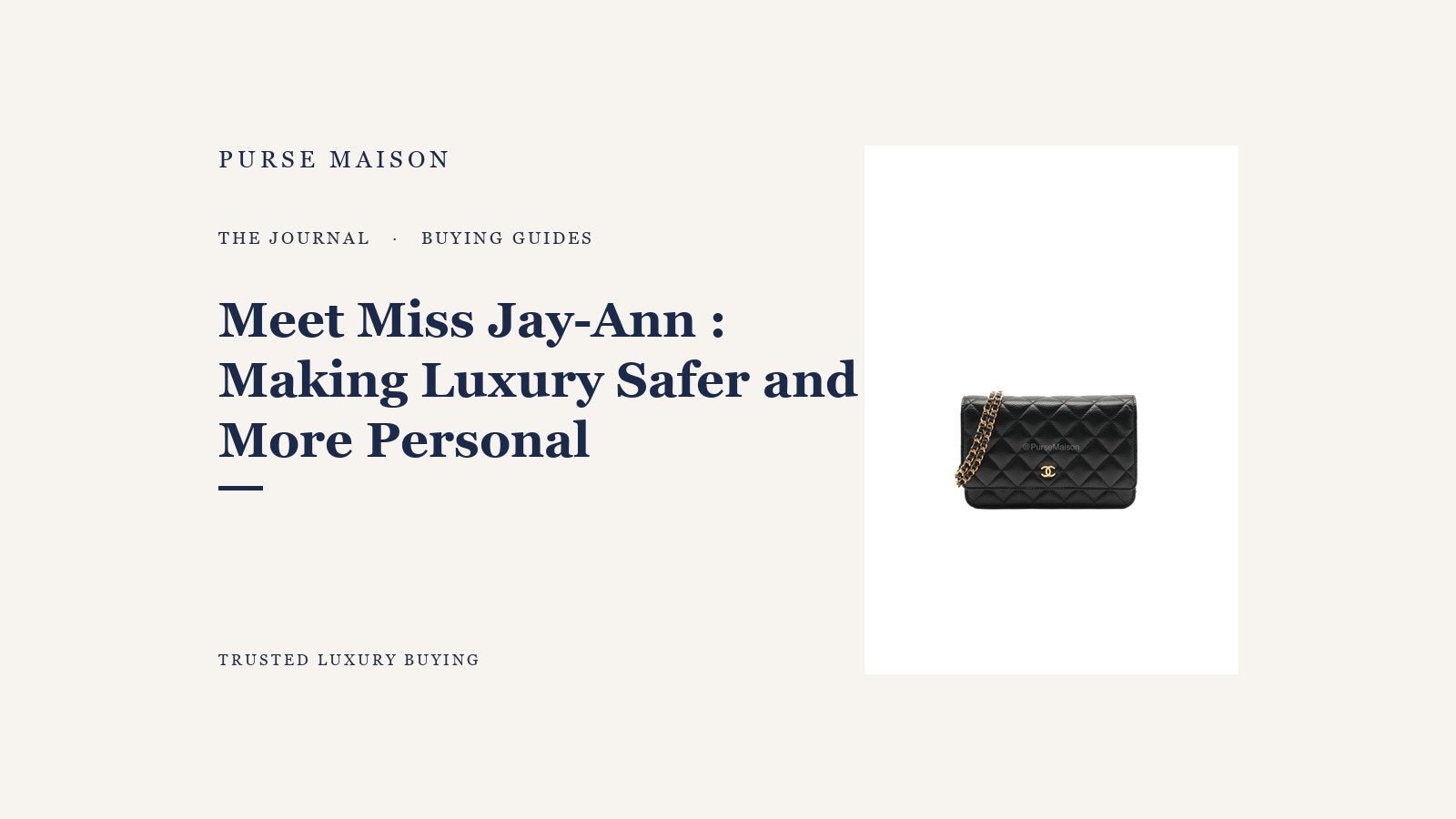
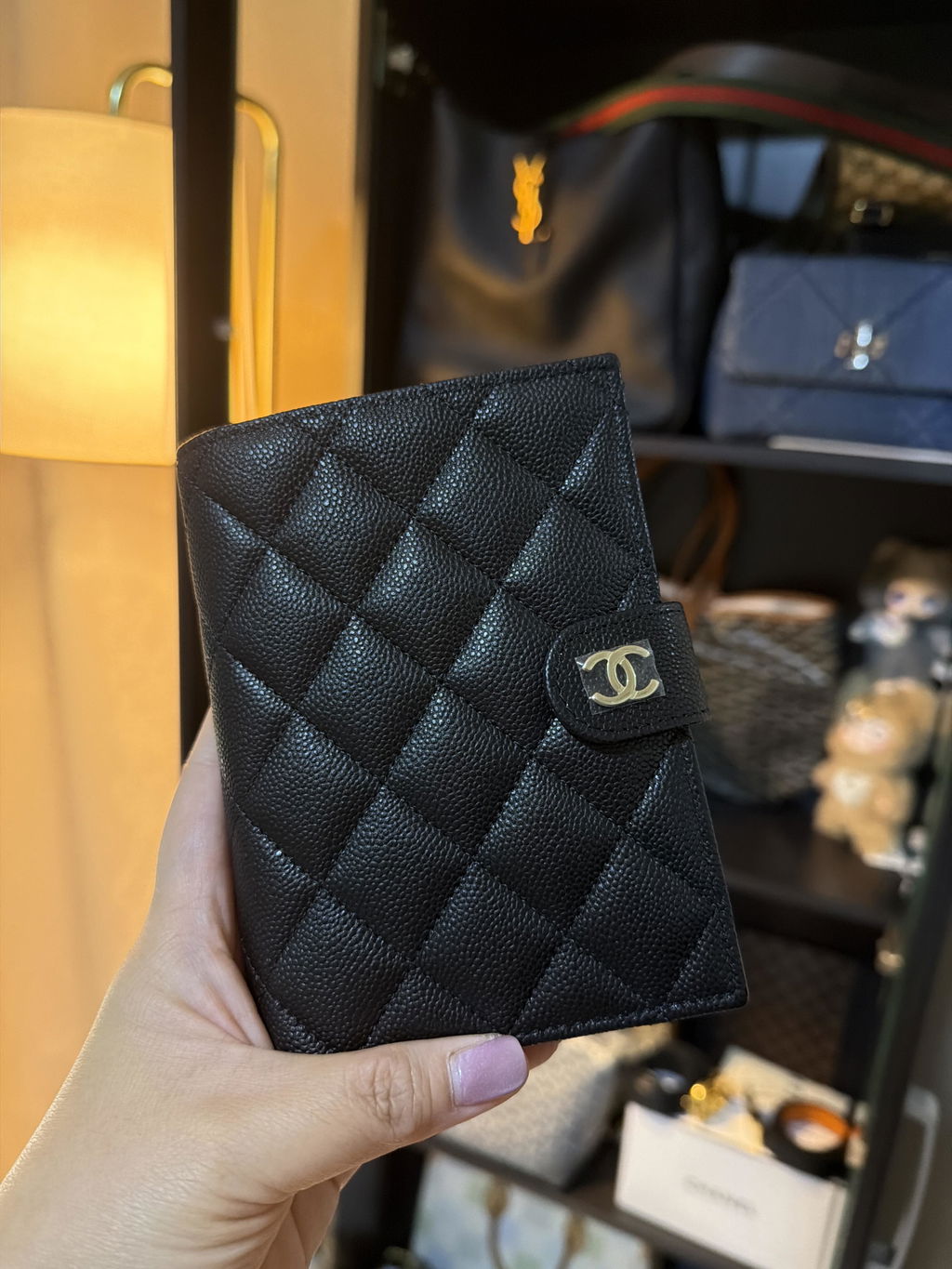
- Chanel Classic Wallet on Chain (WOC) in Black Caviar Leather Gold Hardware Series 30 — review the live listing for the current condition, inclusions, and availability.
- Gucci Horsebit Mini 1955 Canvas Navy Blue Crossbody Bag — review the live listing for the current condition, inclusions, and availability.
- Gucci Mini Dome in Teal Microguccissima Leather Shoulder Bag — review the live listing for the current condition, inclusions, and availability.
When reviewing a current listing, compare it with the brief in plain language: “This addresses your need for a lighter shoulder carry, but the color is a stronger statement than the neutral you described.” That sentence is more useful than calling the piece universally versatile. Explore the currently available Purse Maison collection after checking the individual listing details.
A Philippine clienteling lens
Metro Manila adds practical variables that generic luxury advice can miss. Heat, humidity, sudden rain, vehicle-to-building transitions, and storage in air-conditioned spaces can change how often a bag is comfortable to use. A client who wants a daily piece may value a different balance of access, structure, and maintenance than someone buying for occasional indoor events.
The answer is not one universally “best” bag. It is a recommendation that fits the person’s actual routine and clearly explains the compromises. That is the point of relationship-led advice.
The Purse Maison verdict
Relationship-led clienteling earns its place when it reduces noise and increases clarity. The client should leave with a sharper brief, a realistic understanding of the available choices, and permission to wait. If an advisor can do that consistently—while protecting privacy and separating verified listing facts from interpretation—the relationship is doing more than moving inventory. It is helping the client build judgment.
A decision worksheet for the owner
Before making a decision, write down the one outcome that matters most and the compromise you are willing to accept. This prevents a polished image, a familiar name, or a moment of scarcity from taking over the whole evaluation. A useful worksheet separates what is known from what is assumed. Record the exact listing title, the condition points that matter, the questions still unanswered, and the reason this item fits the intended use. If the reason cannot be stated clearly, waiting is a legitimate decision.
Next, compare the piece with your real routine rather than an imagined version of it. Think about how you move through a normal week, where the item will be stored, how often it will be used, and what maintenance you will realistically perform. Philippine weather is part of that calculation: heat, rain, humidity, and air-conditioning can affect comfort and care habits. The aim is not to make the decision fearful. It is to make the ownership cost visible before the purchase or handoff.
Use the live listing as the current record. Read the exact model name, images, condition description, inclusions, and availability. If a detail is not stated, treat it as unknown and ask for clarification. Do not replace an unanswered question with a general statement about the brand or model. In preloved luxury, the individual item is the evidence. A general guide can frame the questions, but it cannot quietly fill the gaps.
Then test the strongest alternative. For a buying decision, compare one smaller or simpler option and one more flexible option. For a care decision, compare prevention with professional advice. For a consignment decision, compare a revised presentation with a price change, and separate the owner’s timing from the buyer’s response. The point is not to manufacture a winner. It is to show which trade-off you are choosing and why.
Finally, make the next step reversible where possible. Ask for one more close-up, arrange a careful inspection, confirm the current terms, or save the listing and return to it after a pause. A high-value decision should survive a night of reflection. If the answer becomes weaker when urgency is removed, that is useful information—not a missed opportunity.
For a clienteling conversation, the worksheet can include a short brief that the client controls: intended occasions, carry preference, colors already worn, materials they are comfortable maintaining, and a clear “not for me” list. The advisor can use that brief to explain why a current item fits or does not fit. The quality of the relationship is visible in the explanation, not in the number of messages or in a promise of privileged access.
It is also worth reviewing the brief periodically. A new job, a change in commute, a growing collection, or a different storage situation can change the recommendation. Treating an old preference as permanent can make a relationship feel attentive on the surface but inaccurate in practice. The client should be able to correct the record without having to justify the change.
Questions before committing
A useful clienteling note should also record the client’s own words, not just an advisor’s category. “I want something easy to reach on a workday” is more actionable than “likes practical bags.” That level of precision makes future recommendations more respectful and gives the client a chance to correct the brief.
One final check is to ask whether the decision still makes sense if the item is not available tomorrow. If the answer is yes, the fit is probably grounded in the owner’s needs. If the answer is no, urgency may be doing more work than evidence. A calm process leaves room for another suitable piece to appear.
That pause is not anti-commerce. It is how a luxury purchase, care choice, or consignment decision becomes part of a longer relationship with the object. The reader should leave with a practical next action and a clear understanding of what remains unknown.
FAQ
What should I tell an advisor first?
Start with use, carry method, size preference, colors you actually wear, maintenance tolerance, timing, and the compromises you will not accept.
Does clienteling mean I must buy when something is suggested?
No. A useful recommendation should make it easier to say yes, no, or not yet for clear reasons.
Can an advisor guarantee a future bag will appear?
No. Availability is uncertain. A responsible advisor can record a brief and contact you when a genuinely relevant item appears, without promising a match.
Should private preferences be shared with other clients?
No. Your brief should be handled as private client information and used only to make your own conversation more relevant.
why client memory matters in luxury service how we match new arrivals to waiting clients purse maisons approach to trust before transactionSources: official brand guidance and current Purse Maison inventory evidence were checked for this article; reseller sources were used only for internal orientation and are not named or linked here.
Purse Maison is an independent luxury reseller and is not affiliated with or endorsed by the brands discussed unless expressly stated.







Leave a comment
This site is protected by hCaptcha and the hCaptcha Privacy Policy and Terms of Service apply.